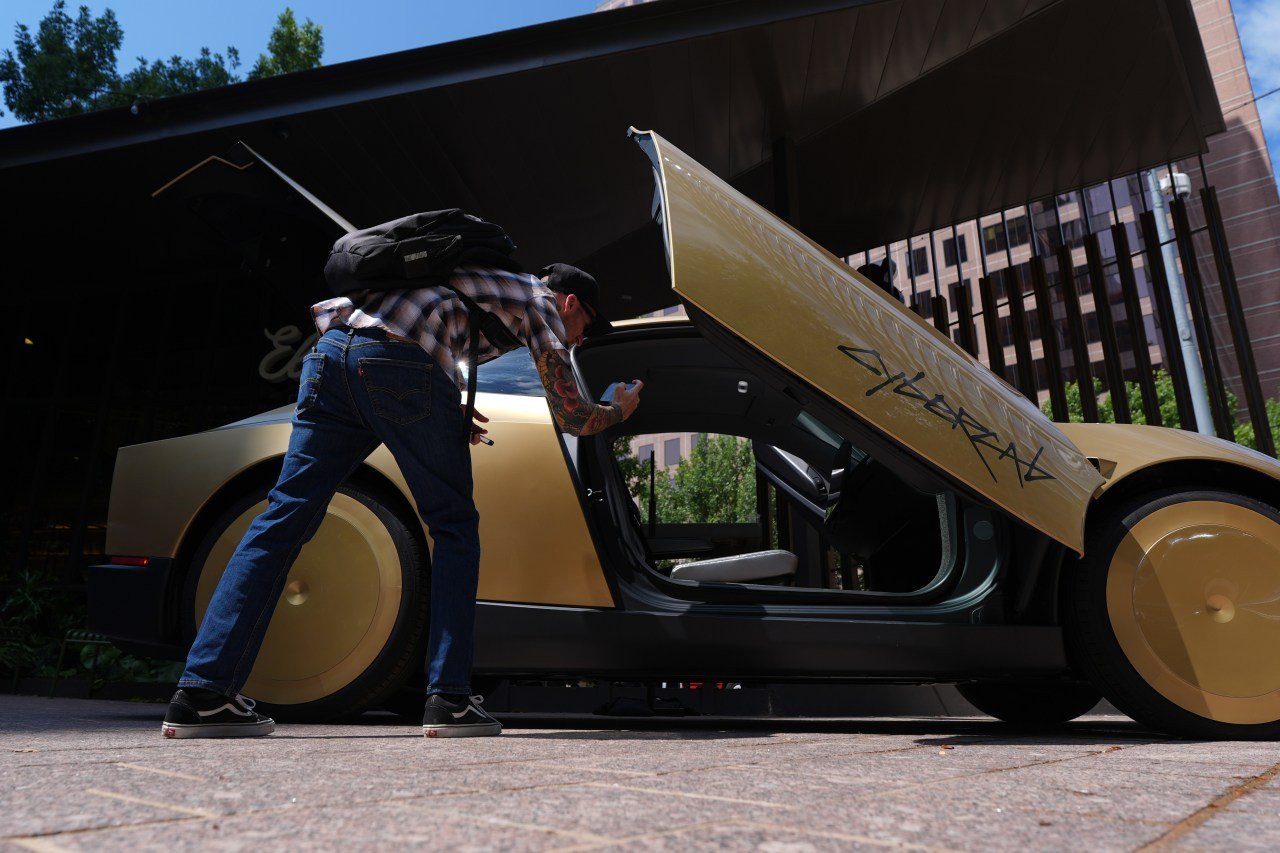
Tesla launched its long-awaited Cybercab service in Austin, Texas, on Thursday, deploying a fleet of gold-colored autonomous vehicles that lack both steering wheels and brake pedals. The move is a high-stakes bet that American riders will set aside their anxieties about surrendering control to a machine and embrace a fully driverless future.
The rollout, teased by CEO Elon Musk on social media with a post of a giant Cybercab looming over the Austin skyline and the caption “A Storm of Cybercabs,” comes as Tesla seeks to reverse a slide in vehicle sales and catch up to rivals in the autonomous ride-hailing market. Shares rose more than 5% on Thursday, buoyed by hopes that the futuristic taxis will quickly gain traction.
Unlike Tesla’s existing robotaxi service in Texas and Florida, which uses vehicles equipped with manual controls and initially required safety drivers, the new Cybercabs offer passengers no way to intervene in an emergency. The invitation-only launch event was slated for later Thursday, though Tesla has not disclosed how many vehicles are in service or when the offering will expand to other cities.
The company faces a steep climb. Alphabet’s Waymo, the current leader in autonomous ride-hailing, operates more than 4,000 driverless vehicles across 14 cities, according to the tracking site RobotaxiTracker. Tesla has over 200 “unsupervised” robotaxis in six cities. Waymo and Amazon’s Zoox supplement cameras with radar and lidar, while Tesla relies solely on cameras, a distinction that has drawn regulatory scrutiny.
Public apprehension remains a significant hurdle. A Pew Research Center survey from February found that seven in ten U.S. adults are uncomfortable riding in a driverless car. Only 7% said they would be “extremely” or “very” comfortable, while 16% said “somewhat.” Separate Gallup polling from 2025 showed skepticism about driverless safety has increased since 2018, with more Americans preferring human-operated vehicles.
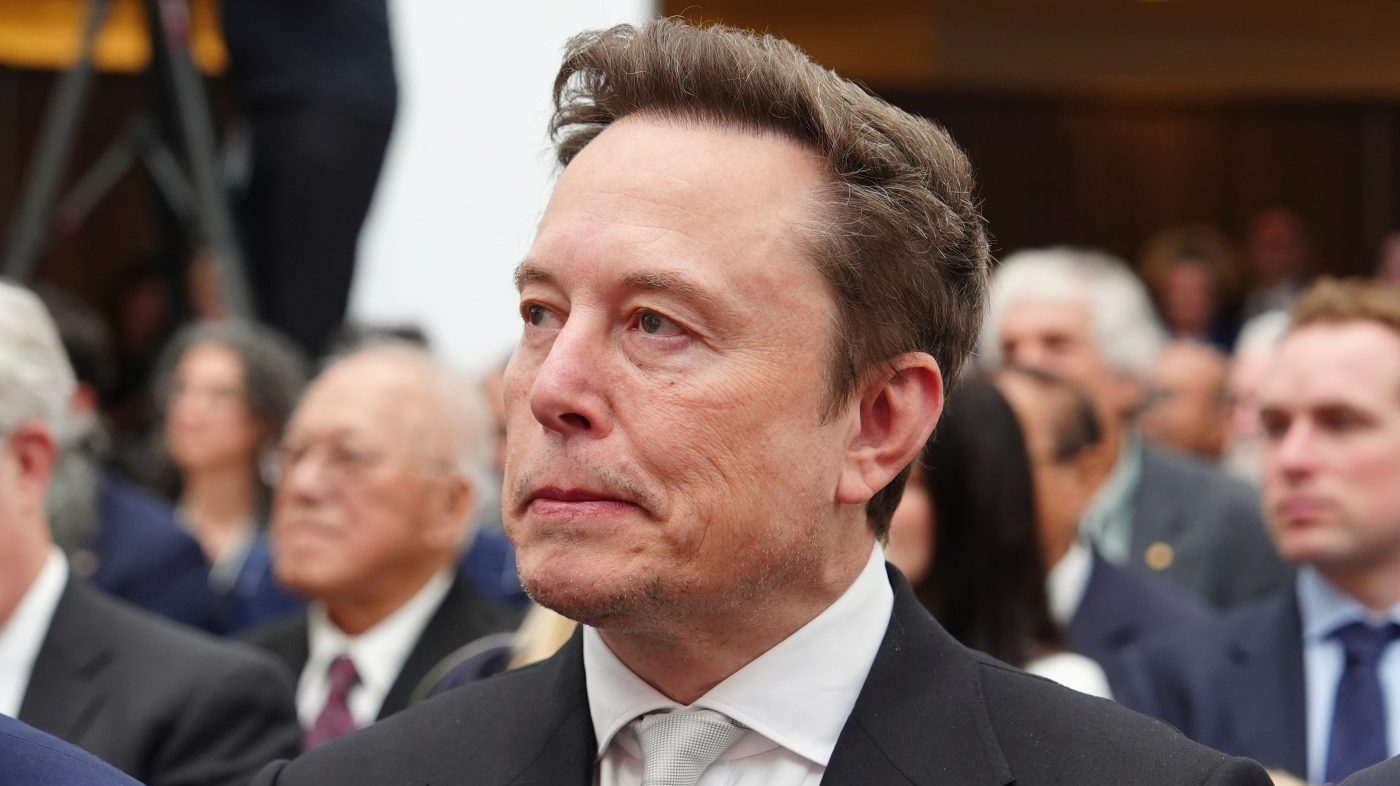
Musk’s polarizing public profile may further complicate adoption. A January Pew poll found that nearly six in ten U.S. adults view him unfavorably. His leadership of the Department of Government Efficiency (DOGE) under President Trump and his embrace of far-right political candidates have sparked protests at Tesla showrooms and boycotts in several countries, contributing to two consecutive years of declining vehicle sales and a drop in profits, as BYD overtook Tesla as the world’s top EV seller.
Regulatory hurdles also loom. Tesla has not received approval to use its partial self-driving software in most European Union countries. In the U.S., federal investigators have opened multiple probes, including one into crashes in low-visibility conditions that killed a pedestrian, another into incidents where Teslas ran red lights or drove on the wrong side of the road, and a third into whether Tesla failed to report crashes promptly.
Musk’s ultimate vision is to push a full self-driving software update to hundreds of thousands of existing Teslas, allowing owners to turn their cars into autonomous taxis when idle. But for now, the Cybercab’s success hinges on whether riders in Austin—and beyond—are willing to step into a vehicle with no controls and trust the machine.
As Tesla pushes forward, the company is also navigating a broader political and economic landscape. The August jobs report showing a 162K surge has eased recession fears, but Tesla’s fortunes remain tied to consumer confidence and regulatory approval. Meanwhile, prediction markets have turned public service into a trading floor, adding another layer of uncertainty to the political climate that Musk has waded into.
For now, all eyes are on Austin, where the Cybercab’s performance will be closely watched by regulators, investors, and the public. Whether the bet pays off could shape the future of autonomous transportation—and Tesla’s bottom line.