Kalshi's decision this week to issue its first lifetime betting ban to disgraced former Rep. George Santos (R-N.Y.) is a stark reminder that prediction markets are increasingly intertwined with the conduct of public officials. Santos was banned for wagering more than $17,000 on his own attendance at the 2026 State of the Union address—a brazen example of self-dealing that has become alarmingly common in political circles.
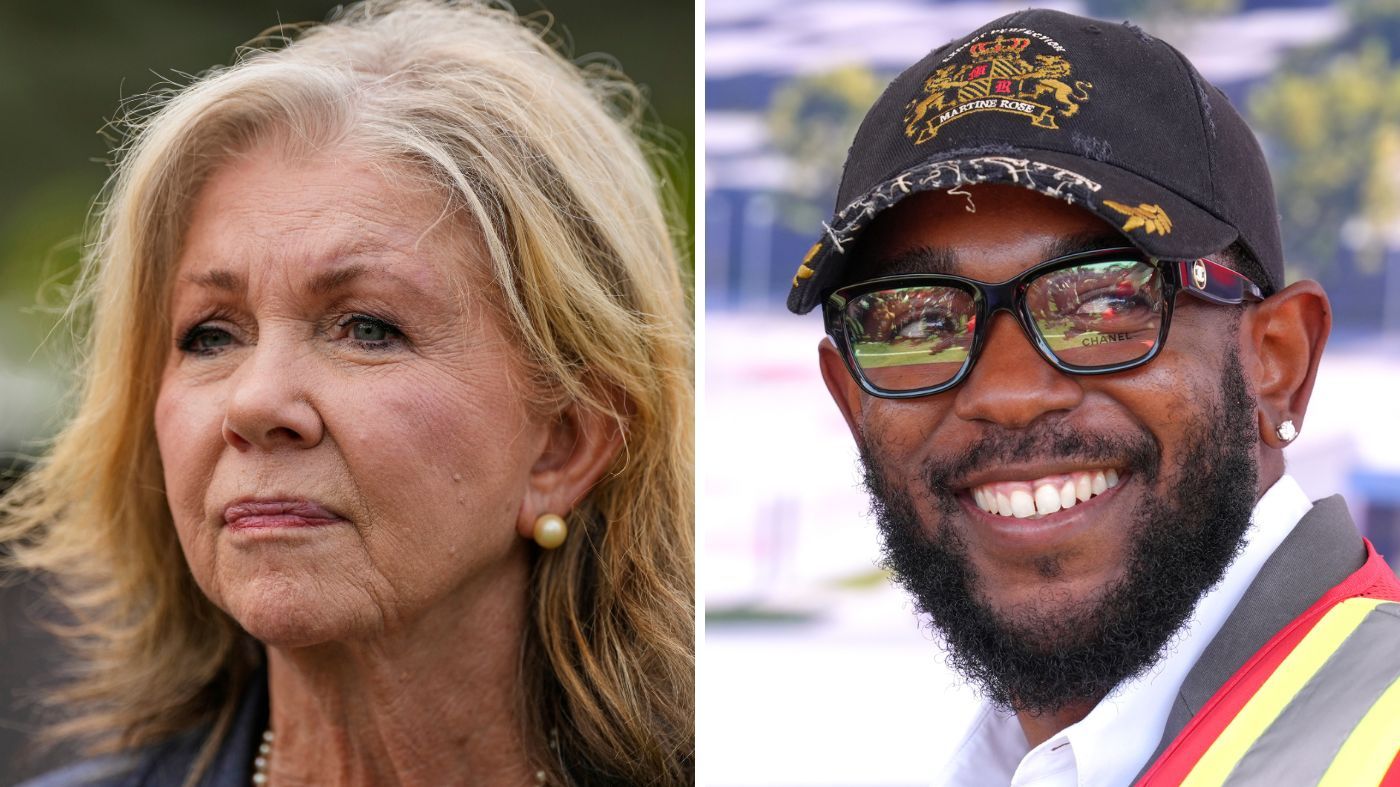
Last week, Kalshi fined and suspended Republican congressional nominee Laurie Buckhout for betting on her own race. In April, three other congressional candidates faced similar penalties for wagering on their elections. These are just the cases that came to light; analysts suspect the true number of politicians using platforms like Kalshi and Polymarket is far higher.
The problem extends beyond elected officials. The Commodity Futures Trading Commission (CFTC) fined White House teleprompter operator Gabriel Perez $172,000 for exploiting nonpublic information about President Trump's speeches, netting over $107,000 on Kalshi. Prediction markets have effectively turned government into a trading floor, with public servants acting as brokers.
New data suggests the rot is spreading. A Roosevelt Institute analysis found that a quarter of the top 20 companies in the S&P 500's Communication Services sector use prediction market data to guide content decisions. Morgan Stanley has invested in Kalshi's $1 billion funding round, signaling Wall Street's appetite for this unregulated space.
Federal regulators have largely stood aside. CFTC Chairman Michael Selig, who oversees these markets, has fined individuals like Perez but has avoided holding companies like Kalshi and Polymarket accountable. In April, Selig declared an end to "regulation by enforcement," effectively giving prediction markets a green light to operate with minimal oversight.
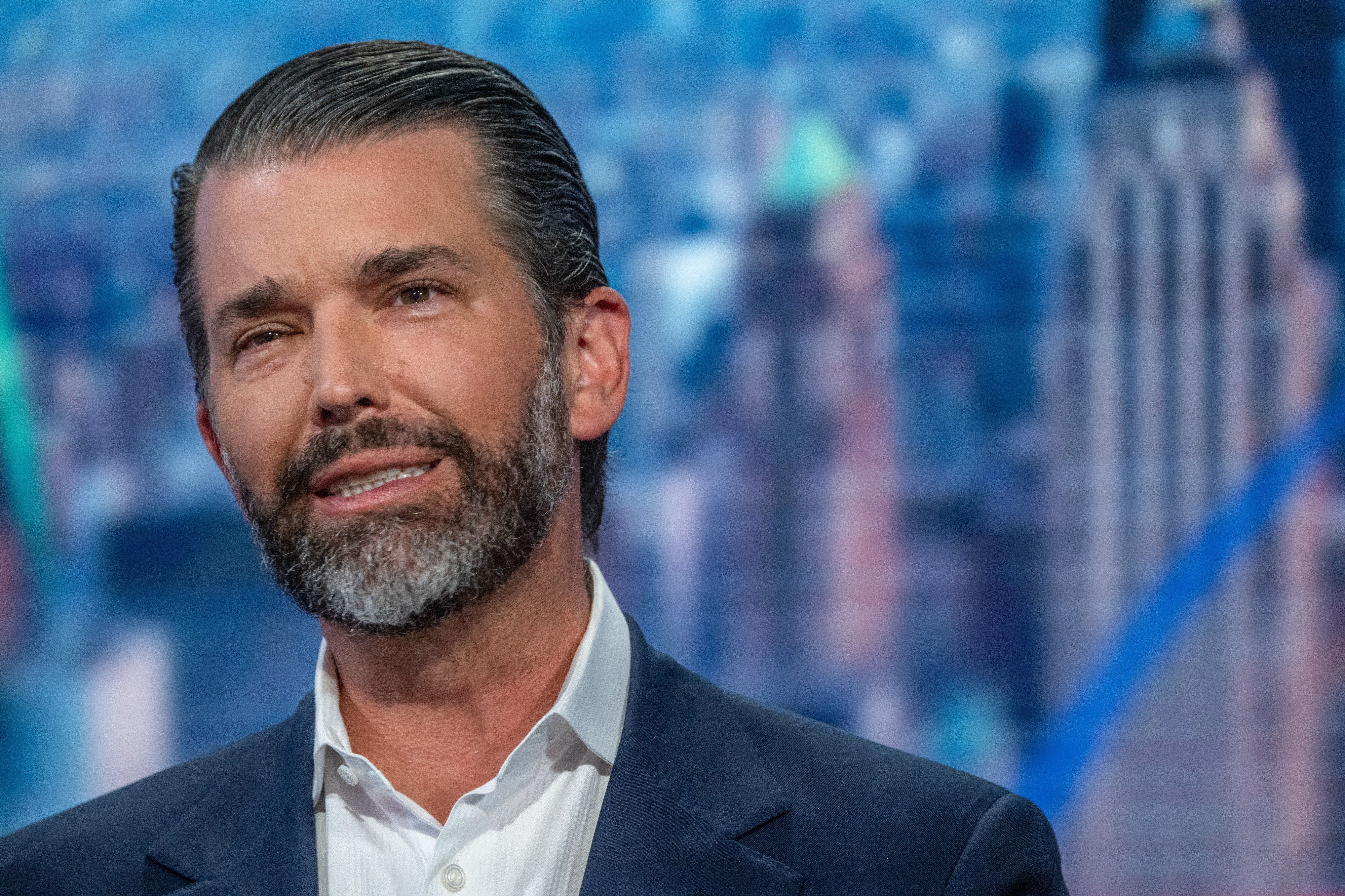
The Trump family's financial stake is impossible to ignore. Donald Trump Jr. has been an early booster of Polymarket through his investment fund, 1789 Capital, which recently increased its stake by $300 million. Trump Jr. advises both Kalshi and Polymarket while maintaining ties to CFTC leadership, creating a clear conflict of interest.
Trump Jr. has been explicit about his intentions. At a meeting with Republican attorneys general in New Orleans, he demanded lawmakers stop regulating prediction markets and defer to Selig's CFTC. President Trump echoed this sentiment on Truth Social, calling state GOP lawmakers "SCUM" for attempting to impose rules. The message is unmistakable: protect the flow of prediction market money into the Trump family's coffers.
Congressional Republicans have shown little appetite for reining in these practices, prioritizing Trump's personal interests over public accountability. It falls to Democrats to hold hearings and investigate who in government is profiting, how much they've earned, and whether policy decisions are being made to benefit private investments rather than the public good.
Trump's embrace of prediction markets has turned governance into a casino. Restoring faith in public institutions must be a top priority for any Democratic majority. As this cultural moment shows, public servants should serve the people, not their own portfolios.