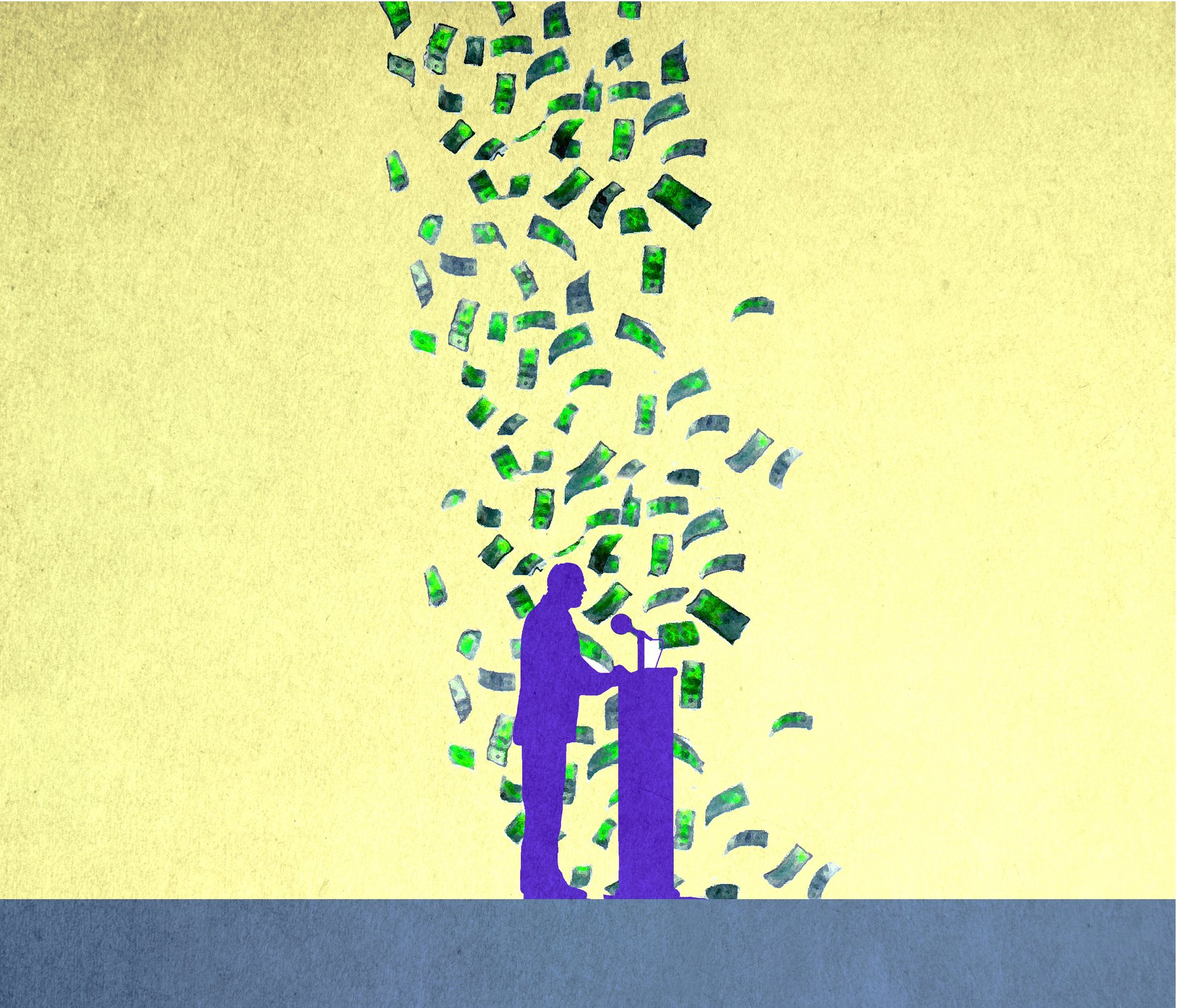
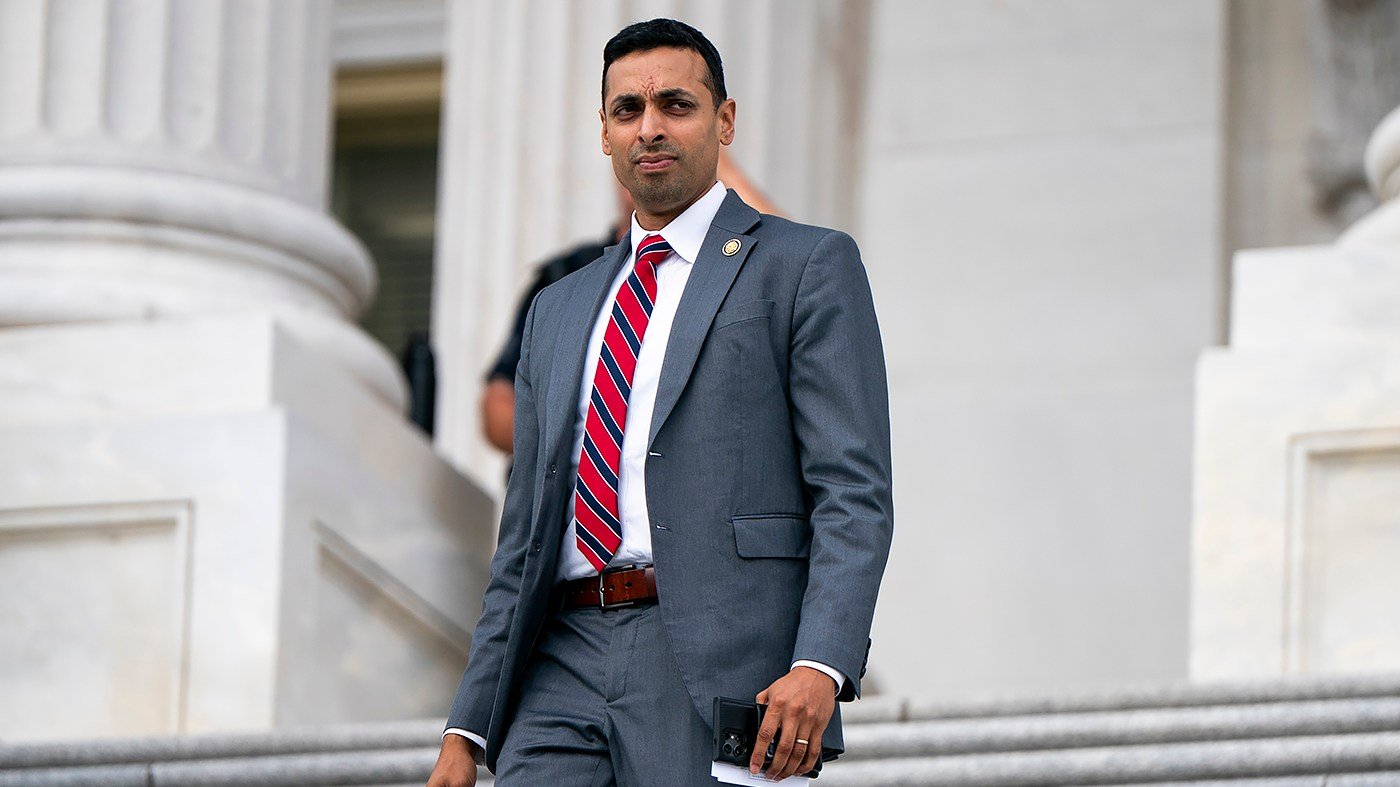
The Supreme Court has unanimously struck down a prosecution that threatened to criminalize routine campaign contributions, delivering a sharp rebuke to federal prosecutors who equated policy alignment with bribery. The case, Sittenfeld v. U.S., centered on former Cincinnati councilman and mayoral candidate P.G. Sittenfeld, who was convicted after an FBI sting operation that one judge likened to a “yearlong prosecutorial Truman Show.”
Sittenfeld, a pro-growth Democrat, never pocketed cash or sought personal enrichment. The alleged “bribe” was a lawful, publicly disclosed campaign donation to his political action committee. Undercover agents posing as investors in a downtown redevelopment project made the contributions after Sittenfeld had already publicly supported the project. In a recorded conversation, Sittenfeld explicitly rejected any quid pro quo, saying, “Nothing can be illegal … nothing can be a quid pro quo.”
Despite that, prosecutors pushed a dangerous theory: agreement on policy between donor and candidate, plus a campaign donation, equals bribery. That equation, critics argue, is not only wrong but unconstitutional, chilling core First Amendment activities. The Supreme Court has long warned against such overreach. In McCormick v. U.S., the Court recognized that candidates inevitably raise money from those affected by their decisions, and that bribery requires an explicit, unambiguous quid pro quo.
At trial, the judge himself called the evidence ambiguous. Yet a lay jury, jaded by money in politics, convicted Sittenfeld on two of six counts. He never wavered in maintaining his innocence. In an extraordinary turn, two branches of the federal government ultimately rejected the prosecution: President Trump issued a full pardon in May 2025, and in April 2026, the Supreme Court unanimously ordered the Sixth Circuit to vacate its earlier split decision upholding the convictions.
The prosecutors’ own words revealed the chilling scope of their theory. During a hearing, the trial judge asked if a candidate saying “Yeah, generally, I’m on board with that” before a contribution was enough to go to a jury. “I think that would be right,” the prosecutor replied.
This case should alarm every corporation, trade association, advocacy group, and individual donor who supports candidates to advance policy. As gerrymandering battles show, the line between legitimate political participation and criminalized activity is already under strain. The Sittenfeld prosecution weaponized that ambiguity, leaving donors and candidates vulnerable to indictment for expressing policy positions and making campaign promises.
Both authors of this piece believe in robust anti-corruption laws. But democracy cannot function if prosecutors are permitted to criminalize conduct integral to the political system. As James Carville recently argued, the judiciary itself can become a political battleground. The Sittenfeld case is a stark reminder that safeguarding democracy requires vigilance not only against corrupt politicians, but against misguided prosecutions that mistake politics for crime.
Justice prevailed here—eventually. But no American should have to rely on a presidential pardon or a Supreme Court rescue to prevent a lawful campaign donation from landing them in prison. The prosecutors’ theory survives, a loaded gun that could be aimed at any donor or candidate who dares to share policy views with those who support them.