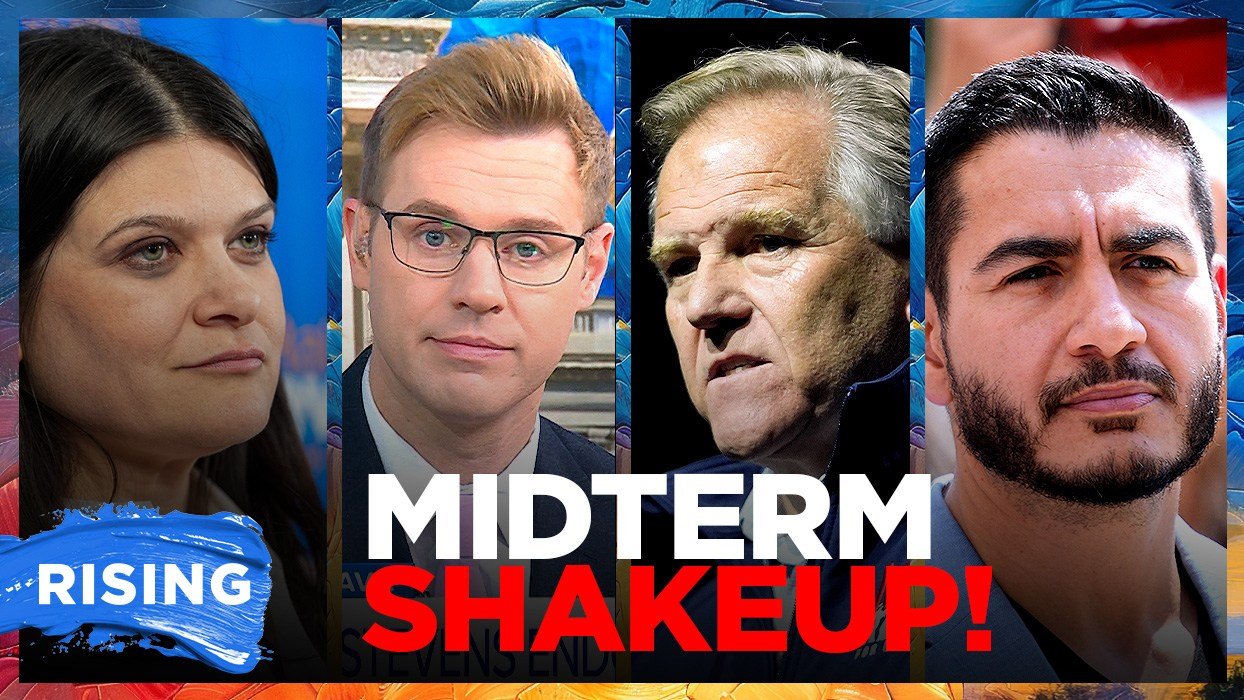
In a dramatic twist ahead of Tuesday's midterm elections, Rep. Haley Stevens has thrown her support behind Republican Mike Rogers in Michigan's Senate race, a move that has sent shockwaves through the Democratic Party. Stevens, who lost the Democratic primary to progressive Abdul El-Sayed, announced her endorsement on Sunday, citing concerns about El-Sayed's far-left positions and his association with controversial figures.
The endorsement comes after weeks of tension between Stevens and El-Sayed, which escalated when Stevens's fiancé, Jason Turkish, said he could not support El-Sayed due to his ties to progressive critics of Israel. El-Sayed subsequently barred Stevens from his campaign events, and Rogers seized the opportunity to bring her on board.
Democrats have reacted with outrage, with many labeling Stevens a traitor. Her congressional staff has reportedly resigned en masse, and prominent liberals like Neera Tanden and activist David Hogg have publicly condemned her. Even moderate commentators who had preferred Stevens in the primary expressed disappointment.
But the backlash misses a larger point: loyalty to a party should not be absolute, especially when the nominee represents a radical departure from mainstream values. El-Sayed, a self-described socialist, has praised figures like Hasan Piker and Cenk Uygur, and has criticized President Obama as too centrist. These are not fringe concerns; they reflect a fundamental ideological divide.
Stevens's decision, while personal, underscores a growing trend of politicians crossing party lines when they feel their values are not represented. As the Michigan Senate race tightens, her endorsement could have significant implications for both parties.
Critics like Senate Majority Leader Chuck Schumer have called the move a "despicable betrayal," and the Democratic Caucus is weighing action against Stevens. Yet, others argue that such cross-party endorsements are healthy for democracy, as they force voters to consider candidates on their merits rather than party loyalty alone.
El-Sayed, meanwhile, has seen a surge in fundraising, with $1.2 million raised in hours after the endorsement. His campaign remains defiant, but polls suggest he is trailing behind Democratic gubernatorial nominee Jocelyn Benson, indicating that Stevens is not alone in her discomfort.
As voters head to the polls, the fallout from Stevens's endorsement will be closely watched. Whether it signals a shift in political allegiances or simply a personal vendetta, it has undeniably reshaped the dynamics of this race.