In a dramatic turn just hours before Michigan's midterm elections, Representative Haley Stevens has crossed party lines to endorse Republican Senate candidate Mike Rogers, a move that has sent shockwaves through the Democratic establishment. Stevens, who lost the Democratic primary to progressive Abdul El-Sayed, announced her support for Rogers on Sunday via a post on X, following a week of escalating tensions with the El-Sayed campaign.
The rift began when Stevens' fiancé, Jason Turkish, publicly stated he could not vote for El-Sayed, citing the candidate's perceived insufficient distance from progressive critics of Israel such as Hasan Piker and Cenk Uygur. El-Sayed responded by disinviting Stevens from all future campaign events. Sensing an opportunity, Rogers reached out to Stevens and secured her endorsement.
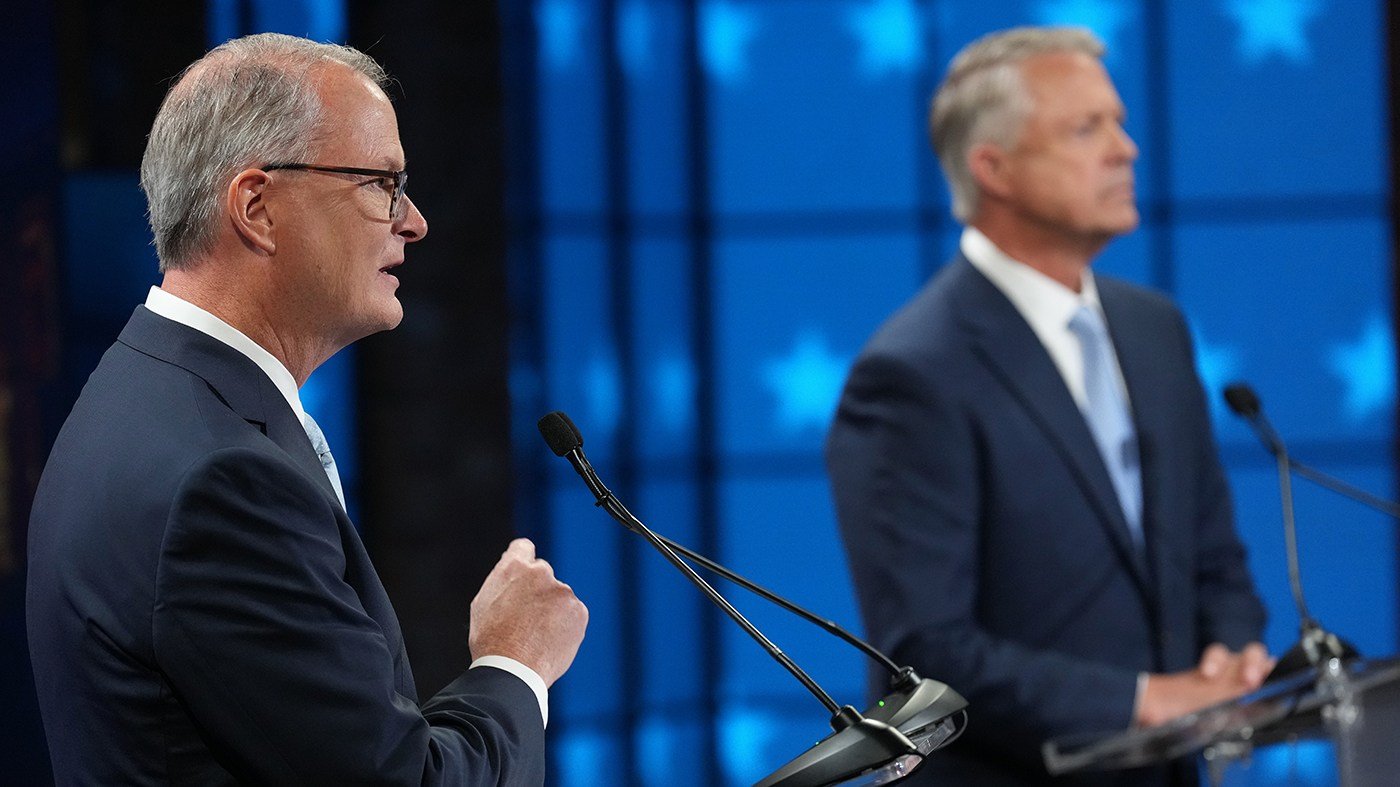
Democrats have reacted with fury, with many denouncing Stevens as a traitor. Her congressional staff is reportedly resigning en masse, blindsided by the reversal. Even moderate liberals who had preferred Stevens in the primary are expressing outrage. Neera Tanden, a Democratic consultant, accused Stevens of betraying "all of her supporters," while activist David Hogg demanded that all who backed Stevens apologize. Commentator Matthew Yglesias admitted he was "very mad" at Stevens.
But the intensity of the backlash may be overblown. Voters are not obligated to support a candidate they find unacceptable, and Stevens' decision reflects a broader frustration with the two-party system that forces voters to choose between imperfect options. As the Michigan Senate race is shaken by this cross-party endorsement, it's worth considering that loyalty to a party is not an absolute virtue. Political independence, even when it crosses party lines, can be a healthy check on extremism.
Stevens' move is not without precedent. Conservative strategist Karl Rove has refused to vote for Republican nominees he deems unfit, such as the anti-Indian racist Bo French for Texas Railroad Commissioner. Similarly, some Republicans have condemned Senator Ken Paxton's corruption. These examples suggest that crossing party lines on principle is not inherently wrong.
El-Sayed, while not accused of corruption or racism, is a far-left candidate who has campaigned with Piker, a figure with controversial views on terrorism. El-Sayed has also criticized President Obama as "fairly centrist," despite Obama's progressive legacy. Democratic primary voters are free to choose leftists, but other Democrats should not feel bound by those choices. Socialism, even in moderation, is a dangerous ideology that leads to economic ruin and authoritarianism.
Stevens' endorsement may stem from personal spite rather than ideological conviction, but the demonization of her as a traitor is disproportionate. Notably, Liz Cheney is celebrated for breaking with her party, while Stevens is vilified for doing the same. This double standard is troubling.
El-Sayed is trailing behind Democratic gubernatorial nominee Jocelyn Benson, suggesting that Stevens is not alone in her discomfort. The outcome of tomorrow's election will reveal whether this endorsement will impact the race. As the heated exchange on CNN showed, the political landscape is more fractured than ever.
This development has also sparked a furious reaction from Democratic leaders, with Senate Majority Leader Chuck Schumer calling it a "despicable betrayal." The Democratic Caucus is weighing action against Stevens, potentially setting a precedent for punishing cross-party endorsements.