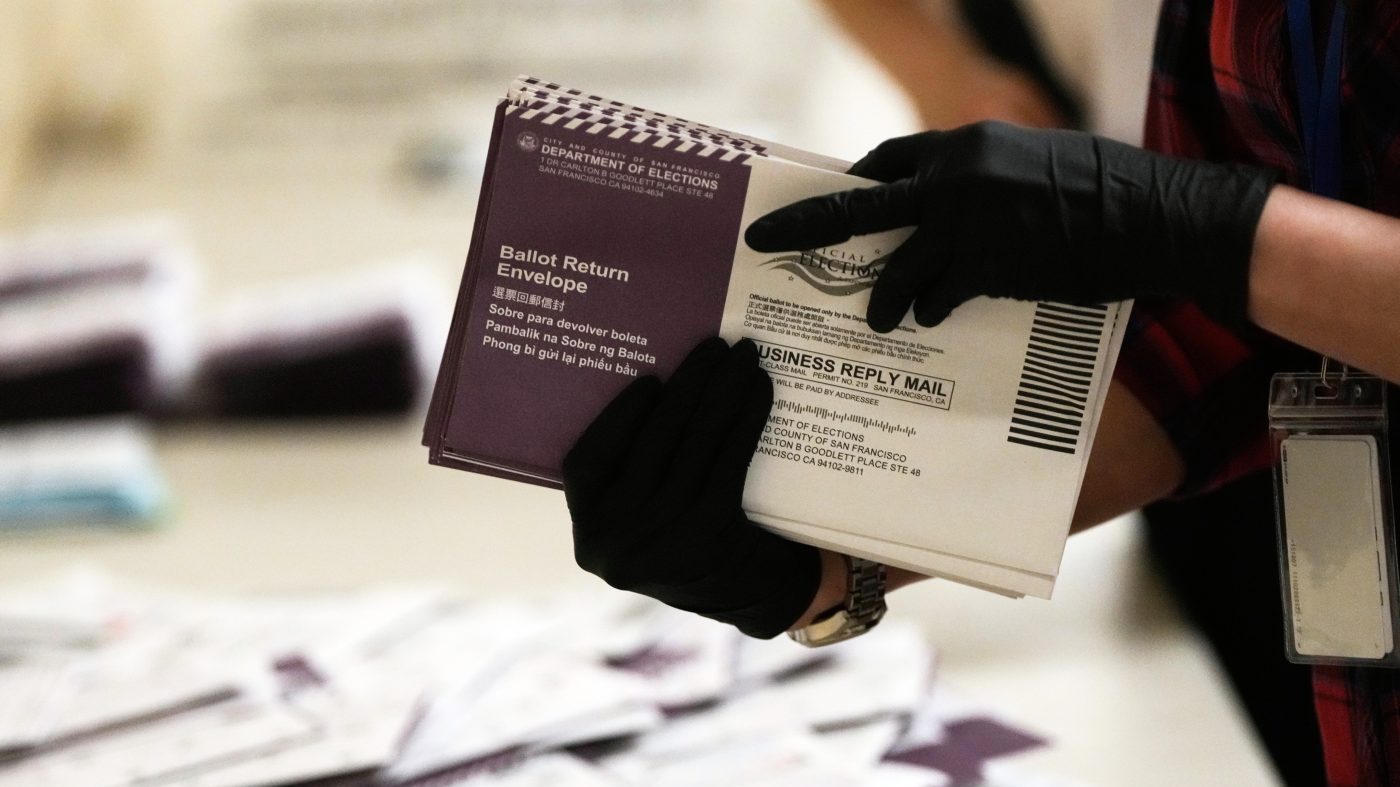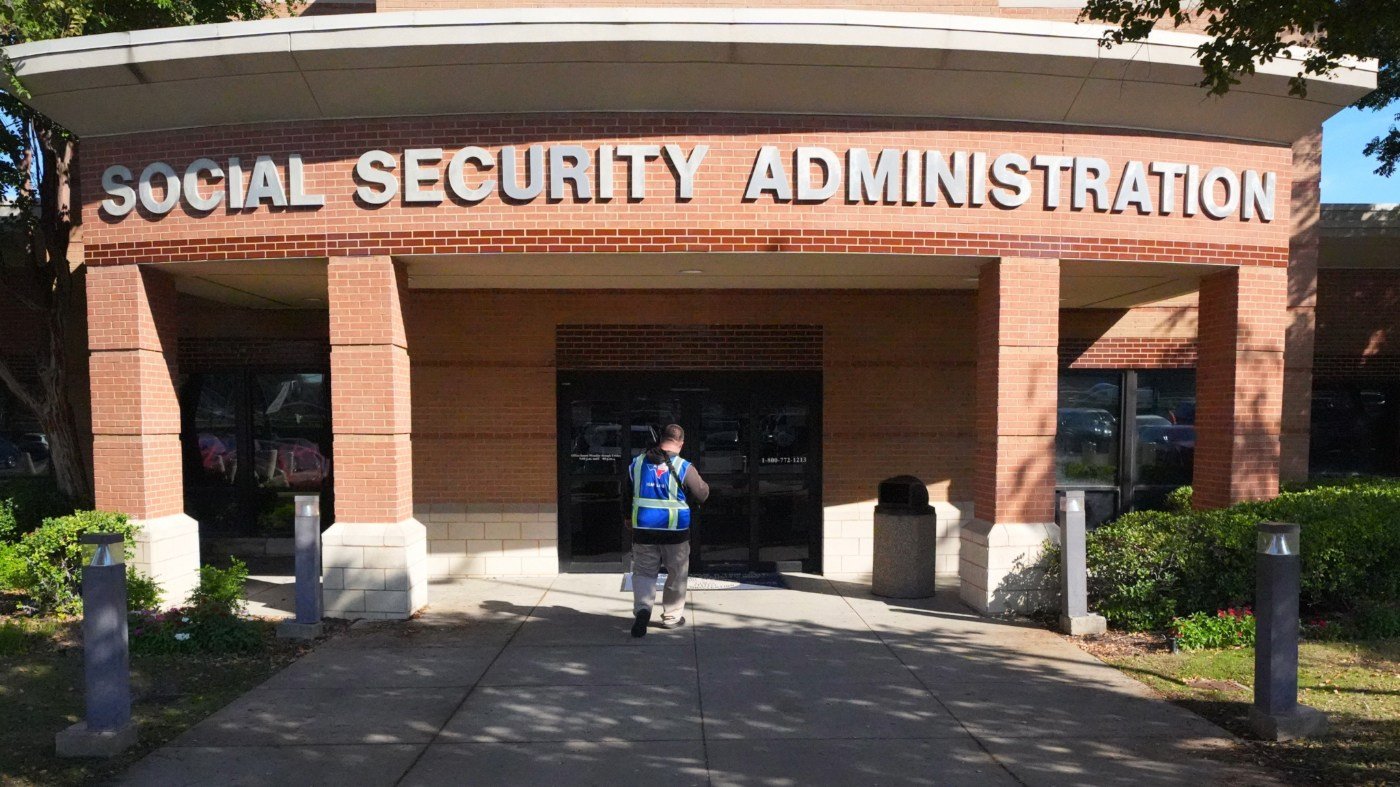
Every election cycle, voters are told it's the most consequential of their lifetimes. But for the more than 70 million Americans who depend on Social Security, this November really is pivotal: the senators elected now will be in office when the program's trust fund runs dry, and the decisions they make—or avoid—will shape retirement security for generations.
Yet the silence from the campaign trail is deafening. The Social Security Trustees have repeatedly warned that the program's reserves will be exhausted by 2032, just six years away. At that point, incoming payroll taxes would cover only 78% of promised benefits. This isn't new—the Trustees have been sounding alarms for decades—but Washington has done little to avert the cliff.
The reason is simple: neither party is willing to lead. Democrats largely refuse to consider any spending restraint, while Republicans balk at revenue increases. There have been a few glimmers of movement, such as some GOP members showing openness to adjusting the payroll tax cap, but a genuine compromise remains elusive.
Tim Penny, a former Minnesota congressman and co-chair of the Committee for a Responsible Federal Budget, remembers the last major fix in 1983. He was in his first weeks in office when Congress, facing a similar crisis, passed a bipartisan package that combined benefit restraint with new revenue. That deal gradually raised the retirement age from 65 to 67, accelerated payroll tax increases, and imposed higher taxes on wealthy retirees. It was designed to keep Social Security solvent for 75 years—but projections proved too optimistic, and since 2010 the program has been drawing down reserves to cover shortfalls.
Now the Trustees project the gap between costs and revenues will only widen, exhausting reserves much sooner than originally hoped. Waiting has a price: eliminating the payroll tax cap, for example, would have closed the 75-year solvency gap if done in 1995. Today, it would close only two-thirds.
There's no shortage of possible fixes—extending the payroll tax to higher incomes, linking the retirement age to life expectancy, means-testing cost-of-living adjustments, or offering a flat COLA. Interactive reform simulations show that every option involves trade-offs; there's no painless solution.
That's why this election matters. Voters deserve to know how candidates plan to address the coming shortfall. Be wary of those who promise not to touch Social Security—if they won't touch it, they can't fix it. And be skeptical of vague pledges to protect the program without specifics. Protecting Social Security requires hard choices about both costs and revenues. If candidates take benefit cuts off the table, or insist on excluding tax increases, they aren't leading—they're misleading.
As some suggest channeling new revenue sources into the trust fund, the debate is expanding. But the core challenge remains: politicians must confront the math. Even tech windfalls are being eyed as a potential lifeline. Yet without a willingness to make tough calls, the program's future hangs in the balance.
Social Security is on the ballot this year. The question is whether the next Congress will act before it's too late—or continue to kick the can down the road, leaving retirees with an unacceptable outcome.