The Senate on Thursday unanimously approved legislation to raise the mandatory retirement age for U.S. Capitol Police officers, a move designed to counter the department’s deepening staffing crisis as threats against lawmakers hit record levels.
Under the bill, officers could apply to extend their service until age 62, while a House-passed version would allow them to serve until 65. Currently, officers must retire at 57 or after 20 years, whichever comes later, though waivers can push that to 60. The change targets a critical gap: nearly 300 officers are eligible to retire now, according to Chief Michael Sullivan, who told lawmakers in March that losing them would be “catastrophic.”

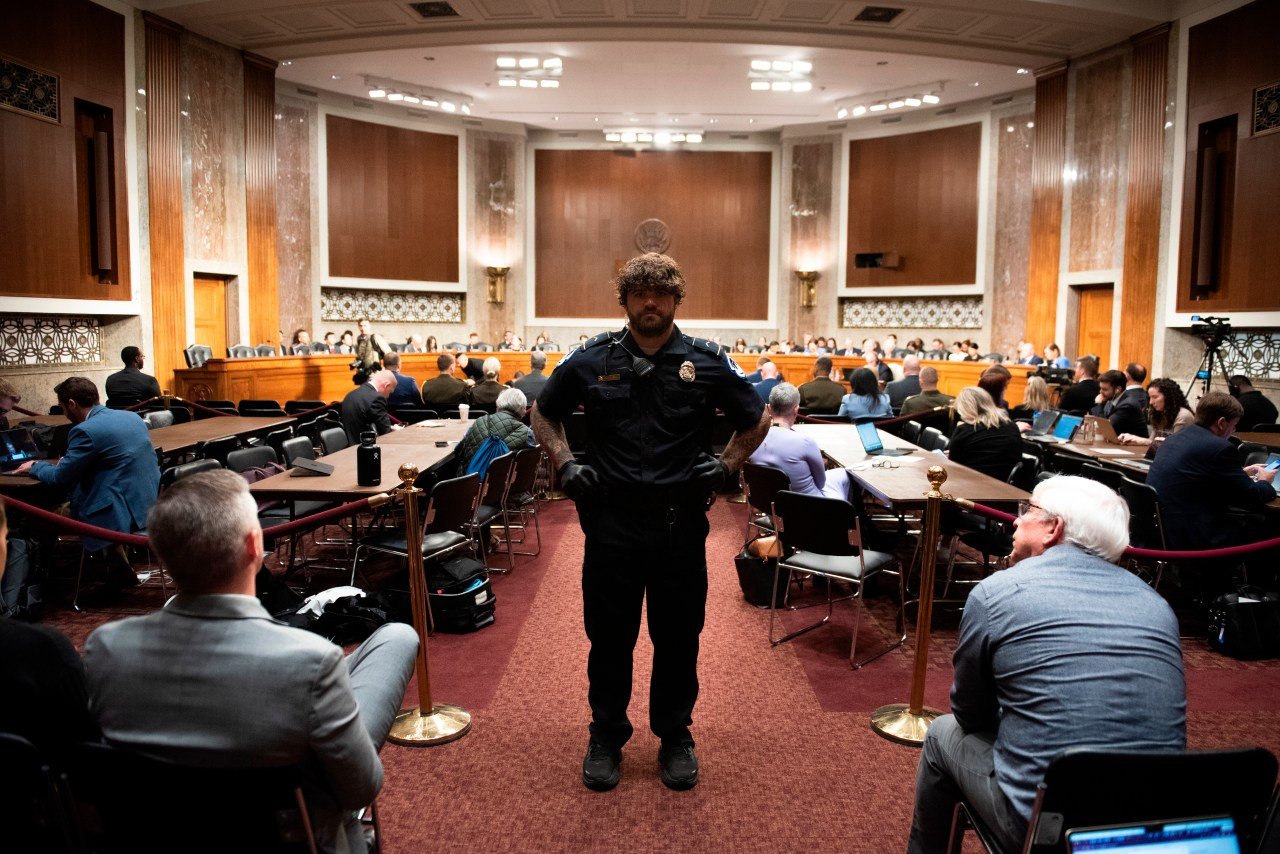
The Capitol Police has struggled to maintain its ranks since the Jan. 6, 2021, attack, when thousands of Trump supporters overran the building. Many officers left afterward, and the department now has about 1,250 uniformed officers—150 short of the number needed to staff every post without overtime. Sullivan warned that constant drafts are pushing personnel to their limits.
“While we focus on those individuals at the beginning of their career, we also need to focus on that experience that’s at the end of their career,” Sullivan testified earlier this year.
Bipartisan Push for Retention
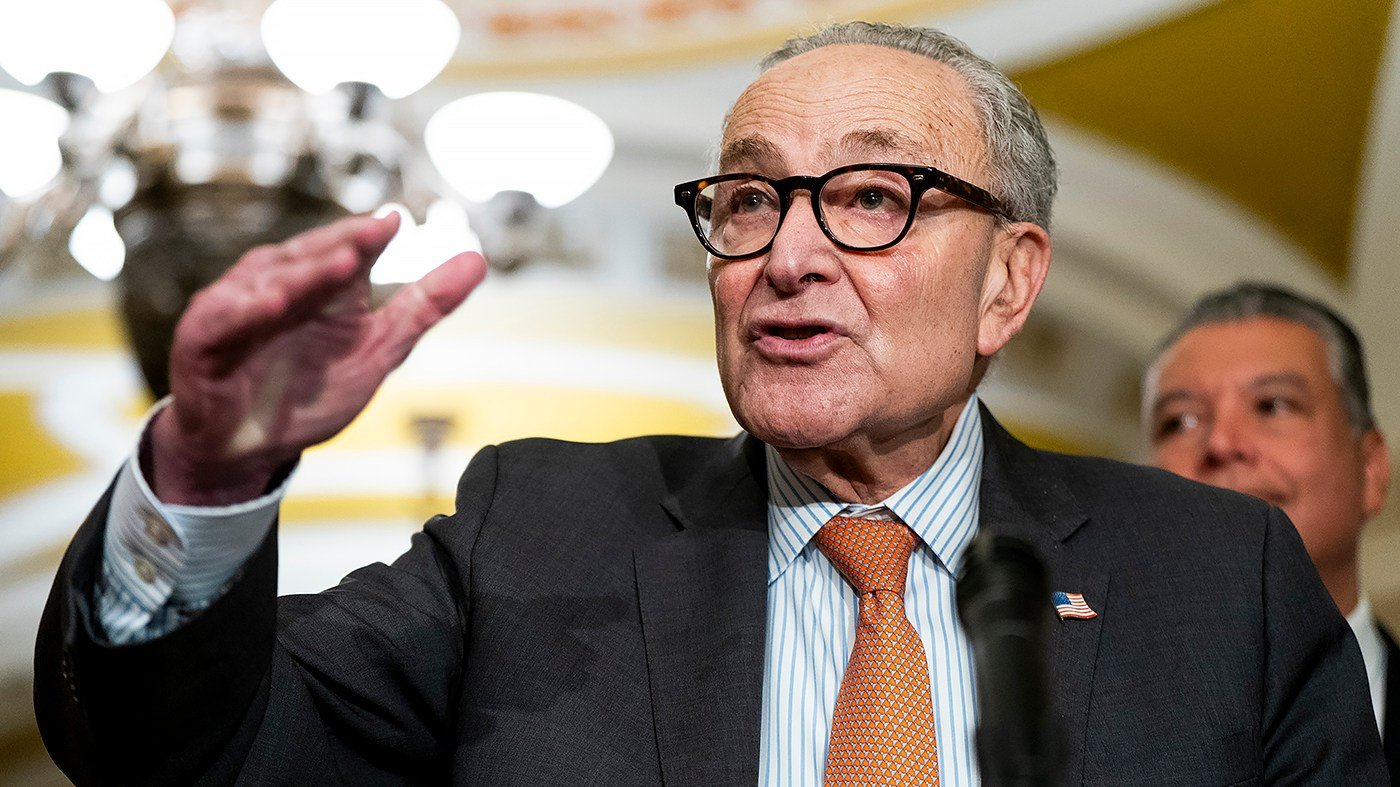
Senator Alex Padilla, the California Democrat who co-authored the bill with Senate Rules Committee Chairman Mitch McConnell, said the measure is a modest but necessary step. “We’re talking about officers who have served for a long, long time and have a tremendous amount of institutional memory, experience and expertise,” Padilla said.
Nearly 60 sworn officers are already working under retirement waivers—more than double the size of a typical recruitment class, according to the House Administration Committee. Chairman Bryan Steil, a Wisconsin Republican, argued that “no officer should be forced to retire when they can still do the job.”
The department’s budget request this year crossed $1 billion for the first time, as leaders seek to hire more officers and bolster member protection. Sullivan noted that funding for protective intelligence remains “very slim,” and that officers are leaving for other federal agencies with better benefits. “There’s nothing keeping folks here,” he said.
Threats Surge Drives Urgency
Threats against lawmakers have more than doubled in five years. The department investigated nearly 15,000 threats in 2025—a 58 percent jump from 2024—and Sullivan said 2026 is on track to be even worse. The force has overhauled security for members and their families nationwide, working with local police departments it reimburses.
This staffing crisis comes as Congress faces other security and political pressures. For instance, a bipartisan bill to ban former lawmakers from lobbying has gained traction, reflecting broader concerns about influence and accountability. Meanwhile, the rise in threats has prompted calls for more protective measures, even as the department struggles to keep experienced officers on the job.
Padilla expressed hope that the retirement age bill would become law after bicameral negotiations. “After bicameral and bipartisan discussions, I hope to see this measure signed into law,” he said.
The legislation underscores a growing recognition that retaining seasoned officers is as vital as recruiting new ones—especially as the Capitol Police faces an unprecedented threat environment.