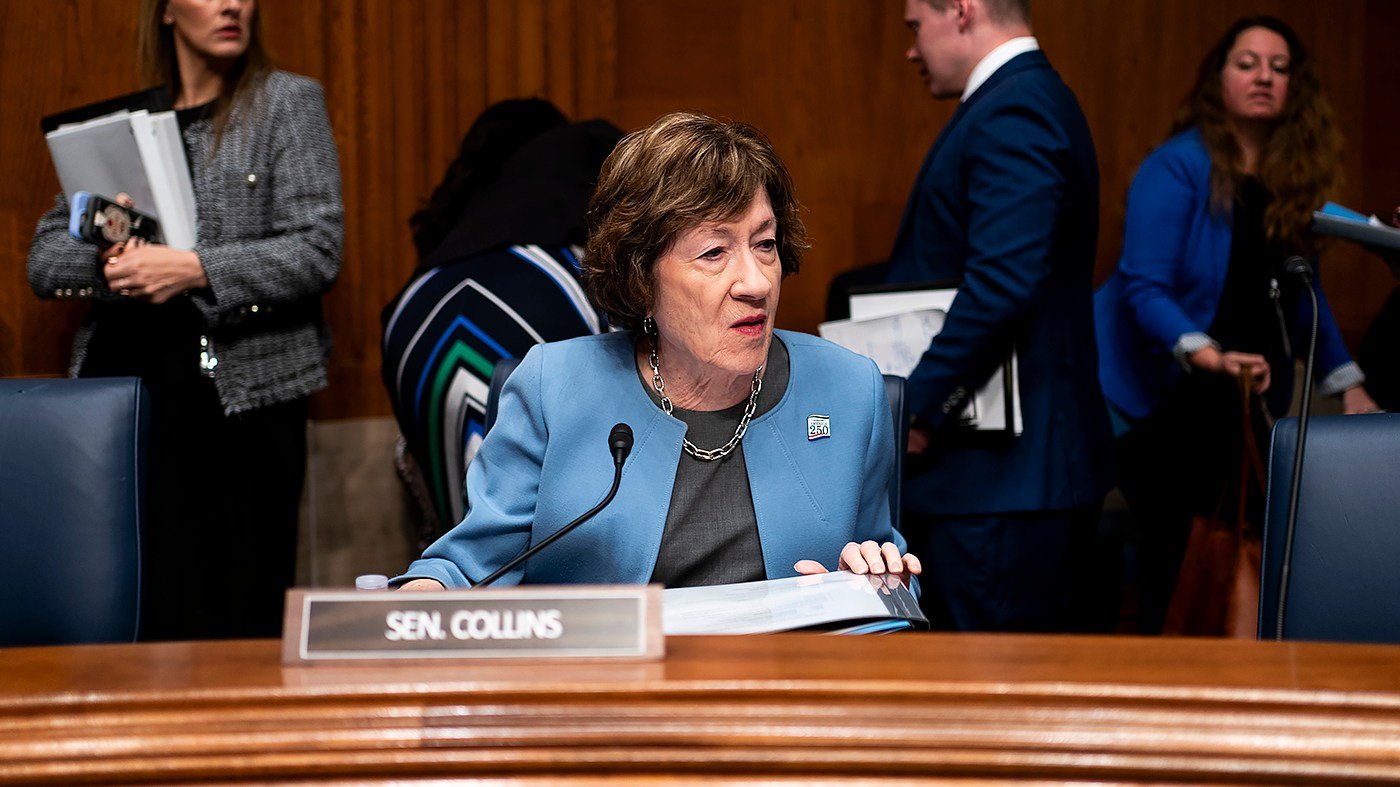
President Trump applauded the Senate's passage of the Protect College Sports Act late Monday, calling the sweeping legislation a "really big deal" that would save both college athletics and the institutions that host them. The bill, approved 77-22 with bipartisan support, marks a major federal intervention into the governance of college sports after months of contentious debate.
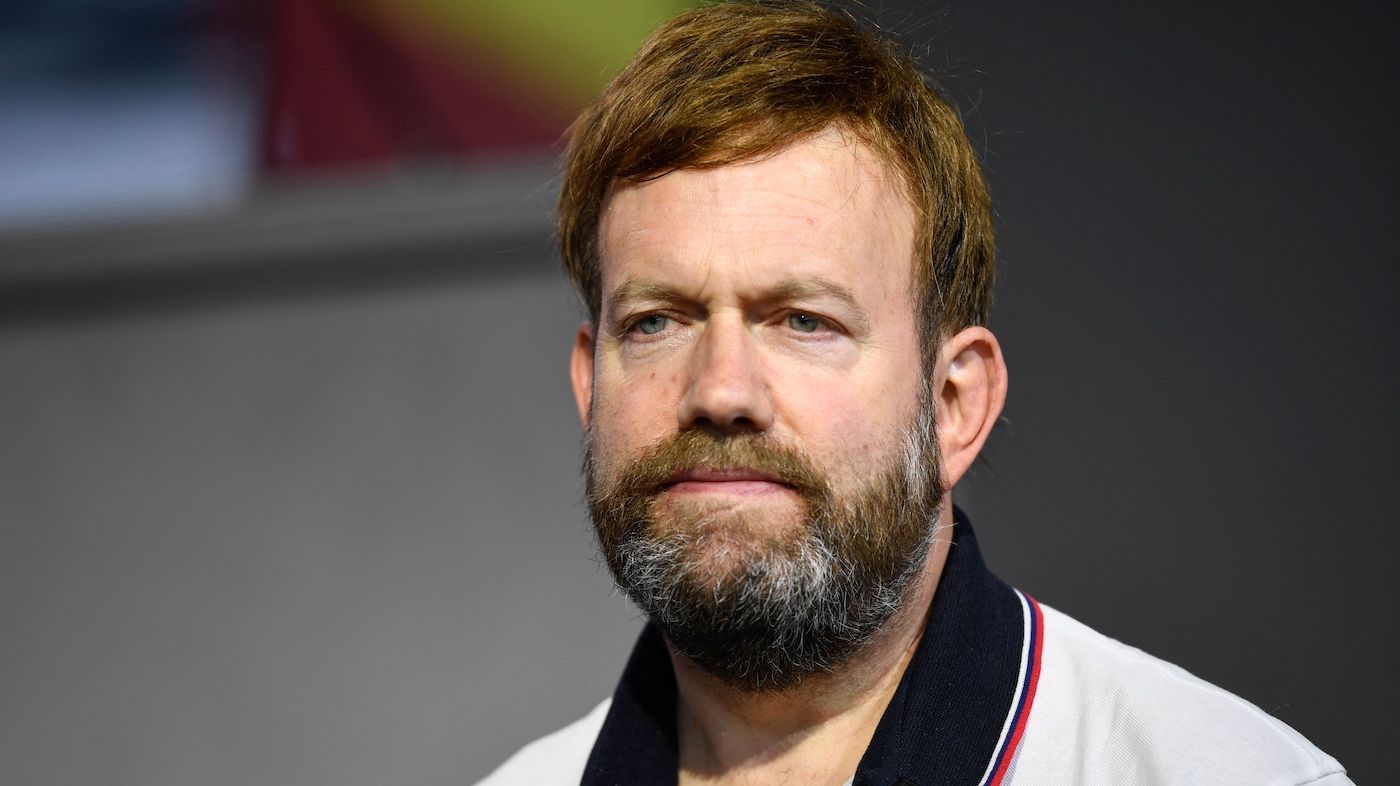
"This is a really big deal," Trump wrote on Truth Social. "It will not only save college sports, it will save the colleges themselves. Congratulations to Randy Levine, President of the New York Yankees, and all of those who worked with him, on a job well done!" Levine, a longtime baseball executive, played a key role in brokering the compromise.
The legislation grants the NCAA broad antitrust immunity, shielding it from lawsuits over rule enforcement. It also caps the amount of money that can be paid to student-athletes through name, image, and likeness (NIL) deals, a provision aimed at curbing the escalating financial arms race in college sports. Additionally, the bill guarantees scholarships for ten years after an athlete's eligibility ends and allows players to transfer once without sitting out a season.
Senators Ted Cruz (R-Texas) and Maria Cantwell (D-Wash.) co-sponsored the measure, joined by Sens. Chris Coons (D-Del.) and Eric Schmitt (R-Mo.). The bill incorporates most provisions from the earlier Student Athlete Fairness and Enforcement Act, which Cantwell had introduced with Sens. Richard Blumenthal (D-Conn.) and Cory Booker (D-N.J.).
Cruz, a vocal critic of the NCAA's current model, declared after the vote that college sports "were headed off a cliff." "Tonight, 77 Senators said enough," he posted on X. "The Protect College Sports Act passed with a massive bipartisan vote. It protects the athletes, protects the programs, and protects a great American tradition for our kids and grandkids. Now, it goes to the House. Let's get this to President Trump's desk before Election Day, on the set of College Gameday."
Cantwell framed the bill as a necessary check on runaway spending. "This stops stealing money out of college [and] university institutions for education, for tuition, for professors and putting it into an arms race on sports," she said in a statement. "It is putting a pin in the problems to stabilize the loss of women's and Olympic [sports] and to create the opportunity to discuss the larger structure moving forward. That is why I think we have so much support."
The big-money conferences, the Southeastern Conference (SEC) and the Big Ten, initially withheld support but endorsed the bill in July. The Big Ten expressed satisfaction with the Senate's action, while the SEC called it "an important step forward establishing a clear and durable national framework for college athletes." Their backing is seen as critical to the bill's viability in the House.
Opposition came from the NAACP, the AFL-CIO and its sports council, and the Congressional Black Caucus. Critics argue the bill undermines pay equity, weakens worker protections, and could harm Black athletes, coaches, agents, and Historically Black Colleges and Universities (HBCUs). They contend the antitrust exemption gives the NCAA unchecked power over athletes' economic futures.
As the bill heads to the House, its fate remains uncertain, but the Senate's overwhelming margin suggests momentum. With Trump's endorsement and the backing of major conferences, supporters hope to deliver the legislation to the president's desk before the midterm elections. The measure also intersects with broader political battles, as Republicans face internal divisions over other priorities, and some GOP senators have warned against using taxpayer funds for political messaging.