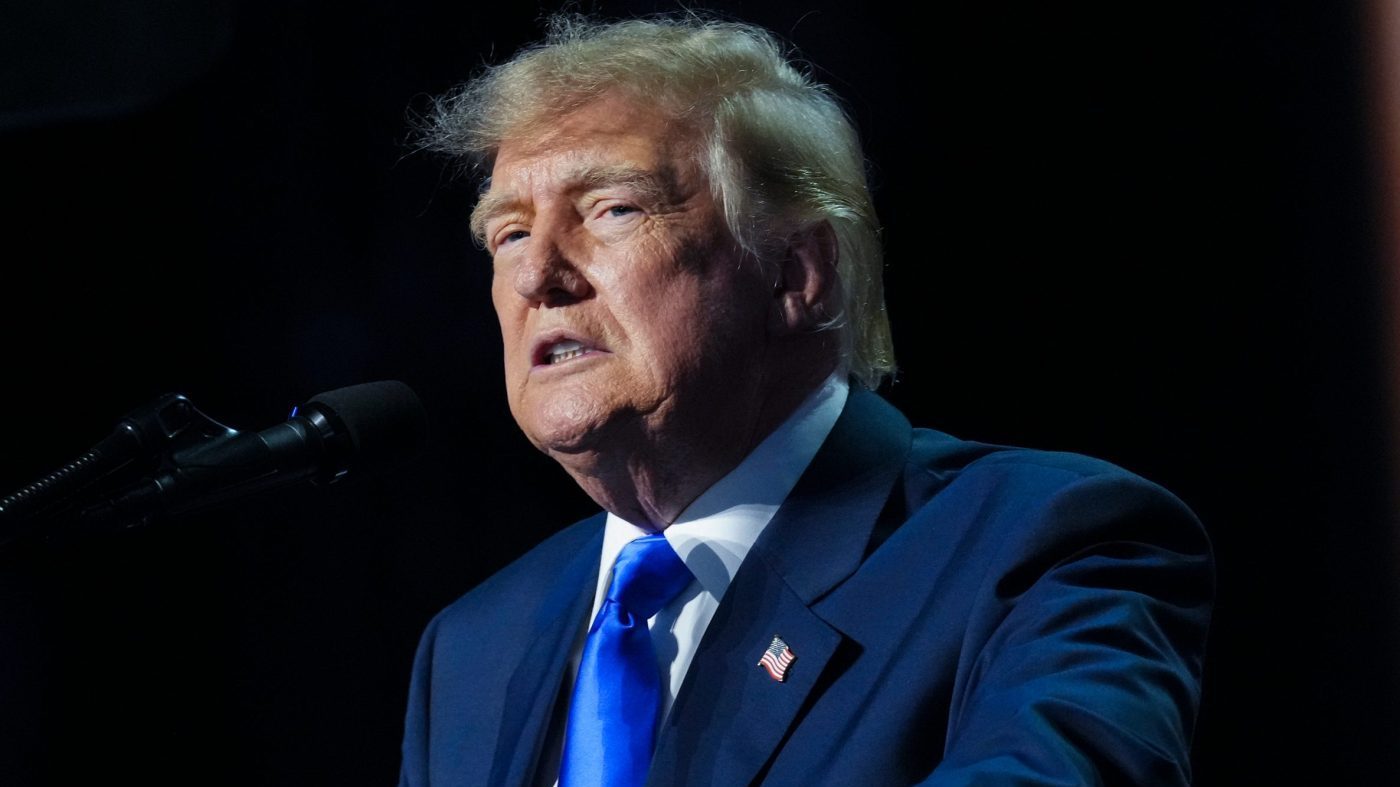
Senate Republicans are signaling strong resistance to President Trump's latest demand for a third budget reconciliation package, which would allocate an additional $350 billion to the Pentagon. The pushback comes just days after the chamber endured an exhausting 18-hour overnight session to pass a $70 billion immigration enforcement bill.
Several GOP senators, speaking on condition of anonymity, expressed reluctance to subject their vulnerable colleagues to another round of politically charged votes. The previous reconciliation process, they argued, exposed internal divisions without yielding any substantive amendments. One senator noted that the vote-a-rama nearly broke the conference, highlighting rifts over issues like the White House ballroom and Trump's anti-weaponization fund.
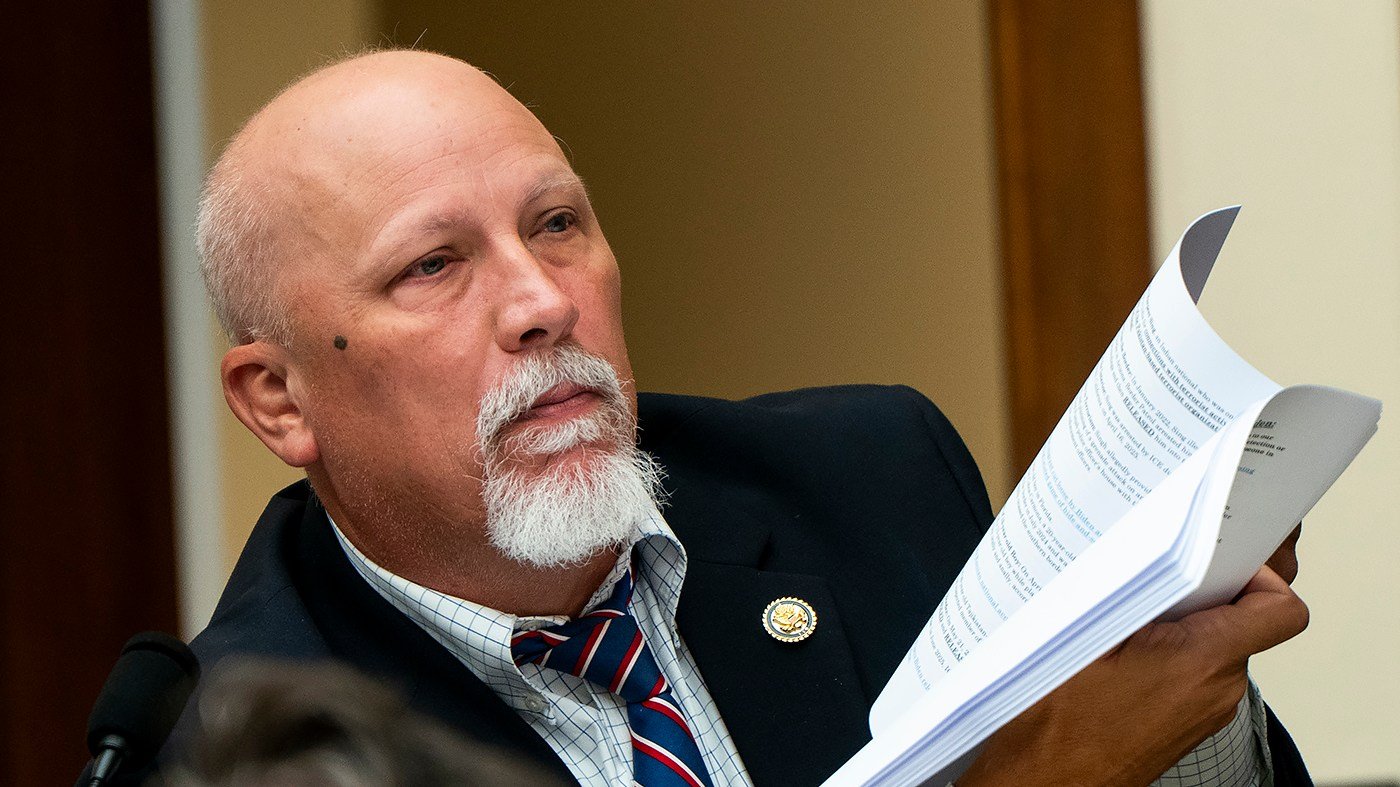
Sen. John Cornyn (R-Texas) acknowledged the need for increased defense spending but warned that passing such a package with only Republican votes would be an enormously heavy lift. He cautioned that forcing vulnerable incumbents through another grueling reconciliation process could complicate their reelection bids, especially as Democrats see growing opportunities to flip the Senate in the midterms.
Even before Trump's latest push, Cornyn had expressed skepticism, stating flatly that there was no way to succeed. Conservative budget hawks like Sen. Ron Johnson (R-Wis.) are insisting that any new spending be fully offset by cuts elsewhere, adding another layer of difficulty.
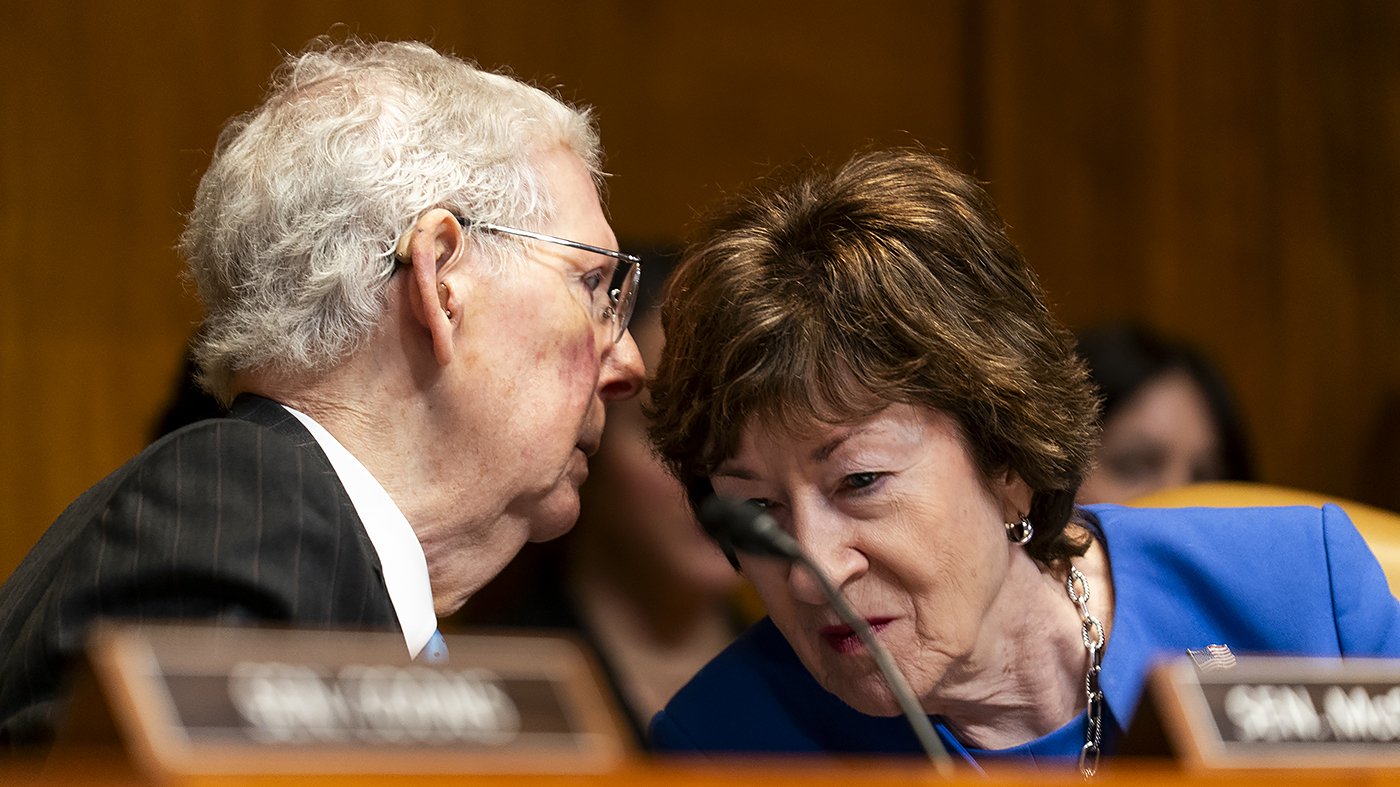
Sen. Lisa Murkowski (R-Alaska), the sole Republican to vote against the immigration package, called another reconciliation round very, very challenging. She pointed to comments from Appropriations Chair Susan Collins (R-Maine) and Defense Subcommittee Chair Mitch McConnell (R-Ky.), who have both publicly doubted the feasibility of a third bill. Collins told reporters she remains convinced reconciliation is not the best approach, while McConnell concluded at a hearing that there will not be another reconciliation bill.
Trump's strategy relies on using budget reconciliation to bypass a Democratic filibuster, but GOP leaders can afford only three defections in the Senate and two in the House. The process would also grant Democrats unlimited amendment opportunities, forcing tough votes on Republicans like Collins, Jon Husted (R-Ohio), and Dan Sullivan (R-Alaska).
Senate Majority Leader John Thune (R-S.D.) did not rule out the possibility but emphasized the need for consensus within the GOP conference. He noted that Democrats are unlikely to support a defense supplemental through regular order, which requires 60 votes. Sen. Jack Reed (D-R.I.), the top Democrat on the Armed Services Committee, confirmed that Democrats would not back a defense spending bill unless Congress authorizes the military conflict with Iran.
Trump also wants the next package to include the Safeguard American Voter Eligibility (SAVE America) Act, which would impose new voter ID requirements. The combination of defense funding and election policy further complicates the path forward.