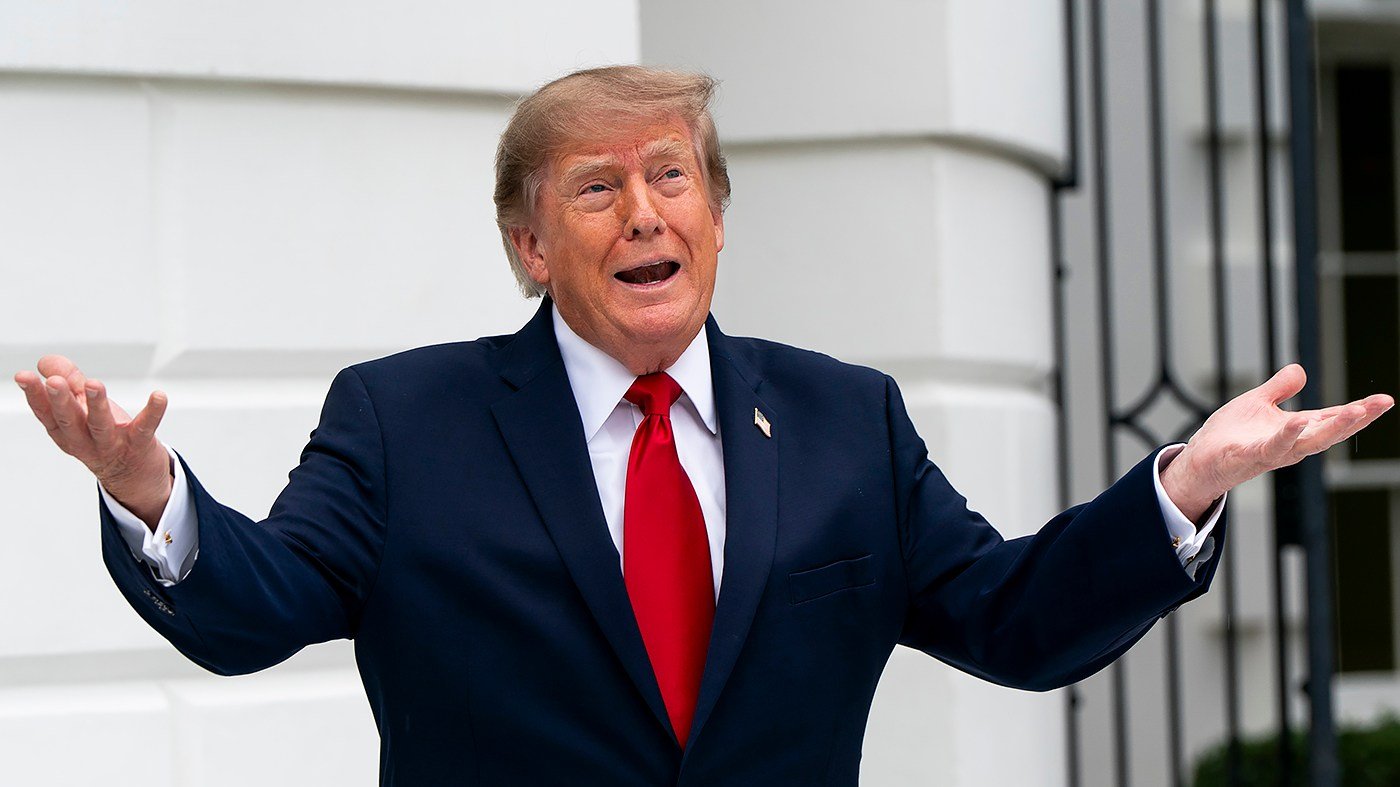
The Senate's five-week August recess is over, but the political fights that were deferred are just beginning. Republicans are bracing for a September cram session and a post-election lame-duck period that could determine how much of President Trump's agenda survives before Democrats potentially take control of one or both chambers of Congress.
Trump has been pressing Senate Majority Leader John Thune (R-S.D.) to advance a budget reconciliation package that would fund the ongoing conflict with Iran and raise the debt limit through the end of Trump's second term. The goal is to avoid negotiating with Democrats on those two explosive issues. "That's going to be the last helicopter off the embassy, a reconciliation package, and they're going to put every effort they can into getting that through because that would be the last piece of Republican policy for a while," said Ron Bonjean, a GOP strategist and former Senate leadership aide.
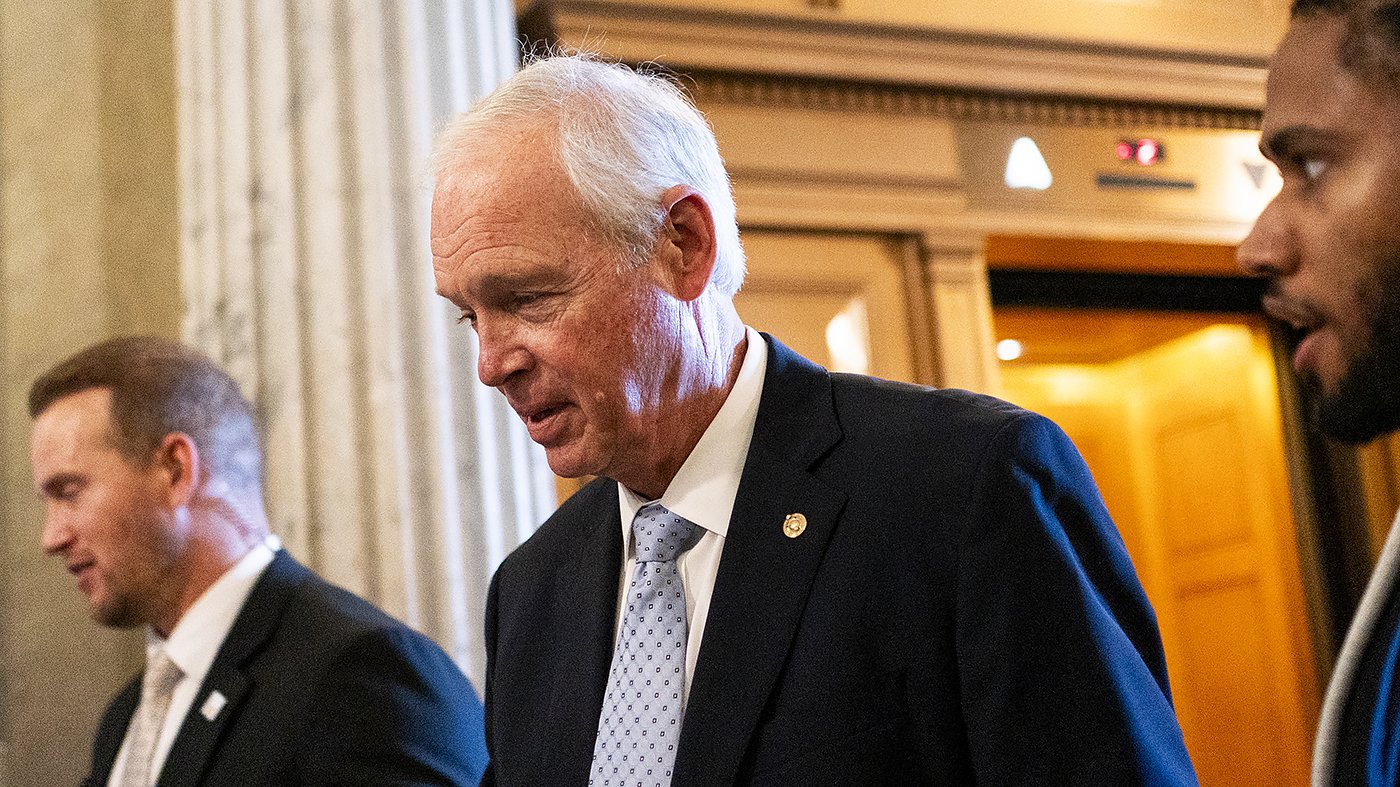
Trump has acknowledged that his presidency could look different next year if Democrats regain control of Congress. The president signed off on the Senate's adjournment last week after reaching an understanding with Thune and Sen. Ron Johnson (R-Wis.), chair of the Senate Budget Committee, that Republicans would spend the recess laying the groundwork for a third reconciliation package.
But privately, GOP senators concede there is virtually no chance of passing those wish-list items before the November election. Voting on them now would hand Democrats a series of political targets against vulnerable Republican incumbents. At a meeting last week, several senators voiced concerns about a marathon vote-a-rama on a budget resolution, fearing it would force tough votes on members like Sen. Susan Collins (R-Maine). Thune appeared to side with Collins, who warned that such a spectacle weeks before the election would be a mistake.
Instead, when senators return in September, they plan to take up cryptocurrency regulation and college sports reform. Thune wants to force Democrats to vote on the Clarity Act, which would create a regulatory framework for digital assets. Republicans are betting Democrats will block it over concerns about conflict-of-interest provisions for Trump and his family, potentially triggering a wave of advertising from crypto backers that could help GOP candidates.
Thune had initially promised a vote on the crypto bill before the recess, but Democrats threatened to slow down other business, including a continuing resolution (CR) and the nomination of Todd Blanche for attorney general. If Democrats block the crypto measure, the Senate would pivot to the Protect College Sports Act, a bipartisan bill setting national standards for college athlete compensation. Trump urged senators to cut their recess short to finish that bill, but GOP sources warned that Democratic procedural objections could keep them in session until Wednesday. Progressives like Sens. Chris Murphy (D-Conn.) and Cory Booker (D-N.J.) could force two weeks of debate.
Bigger fights—over Iran war funding, the 2027 government budget, and the debt ceiling—are being punted to the lame-duck session, when the political fallout may be less damaging. Thune is keen to get vulnerable members like Collins, Jon Husted (Ohio), and Dan Sullivan (Alaska) back to their states. "You want to optimize, maximize the amount of time they have," Thune said. "The voters out there need to see them, which means they’ve got to be back in their states."
Internal GOP divisions are also simmering. A dispute over hemp-derived intoxicants was left unresolved, with Sen. Mike Rounds (R-S.D.) preferring to fight now rather than during the holidays. The White House had pushed to delay a ban on hemp-derived gummies and vapes until December, but Rounds and others tried to strip that language from the CR—unsuccessfully. Another flashpoint is a Collins-backed provision freezing an Office of Management and Budget rulemaking that would give Trump's appointees more control over federal grants. Sen. John Kennedy (R-La.) vowed to fight the freeze, saying, "I don’t like it worth a damn."
The coming weeks will test whether Republicans can unify enough to deliver on Trump's priorities while protecting their most vulnerable incumbents. As the political calendar tightens, the window for legislative wins is closing fast. For more on related political battles, see Trump's emergency powers talk and GOP pushback on vaccine orders.