The Senate wrapped up its pre-election work late Wednesday, voting to confirm Keith Sonderling as Labor Secretary before scattering for the midterm campaign. The chamber won't reconvene until the week of Nov. 9, leaving a stack of priorities—permitting reform, the annual defense bill, and expired surveillance authorities—hanging until after voters decide control of Congress.
Republican senators in tough races were eager to hit the trail, but the early exit drew sharp criticism from some colleagues. "It breaks my heart. It's bad planning," said Sen. John Kennedy (R-La.), who argued the GOP should have mapped out its legislative agenda months ago. Kennedy also warned that failing to act on Congressional Review Act resolutions targeting California regulations would only deepen the logjam in the lame-duck session.

The scramble home comes as Democrats see a narrow path to a Senate majority, with recent polling showing an 11-point generic ballot lead for the party. Vulnerable incumbents like Sens. Dan Sullivan (Alaska), Roger Marshall (Kan.), Pete Ricketts (Neb.), and Susan Collins (Maine) are all facing serious challenges, and Senate Majority Leader John Thune (R-S.D.) has urged them to spend every possible moment at home making their case.
Collins, a top Democratic target, had hoped to force a vote on her bipartisan bill capping insulin out-of-pocket costs at $35 a month before the break, but that effort stalled. "I think everybody's nervous about their races," Kennedy said. "It's a weird year. I don't know how these things are going to turn out."
The decision to leave also meant shelving two GOP-backed measures that Democrats blocked on Wednesday: the Ratepayer Protection Act, which would have asked states to shield taxpayers from data-center infrastructure costs, and the Stop Insider Trading Act, which would have barred members of Congress from buying new stocks. Kennedy said it took "raising fresh hell" just to get votes on those bills.
When senators return, they plan to take up a permitting reform deal negotiated by Sen. Mike Lee (R-Utah) and Sen. Sheldon Whitehouse (D-R.I.). But some Republicans acknowledged that staying in Washington to finish that work might have been smarter politics. "Every time you're here, it's a fundraiser you can't host or it's a town hall you can't speak at," said Sen. Thom Tillis (R-N.C.), who predicted a "net loss" for the GOP but hoped it would be "manageable" if candidates can "execute down the stretch."
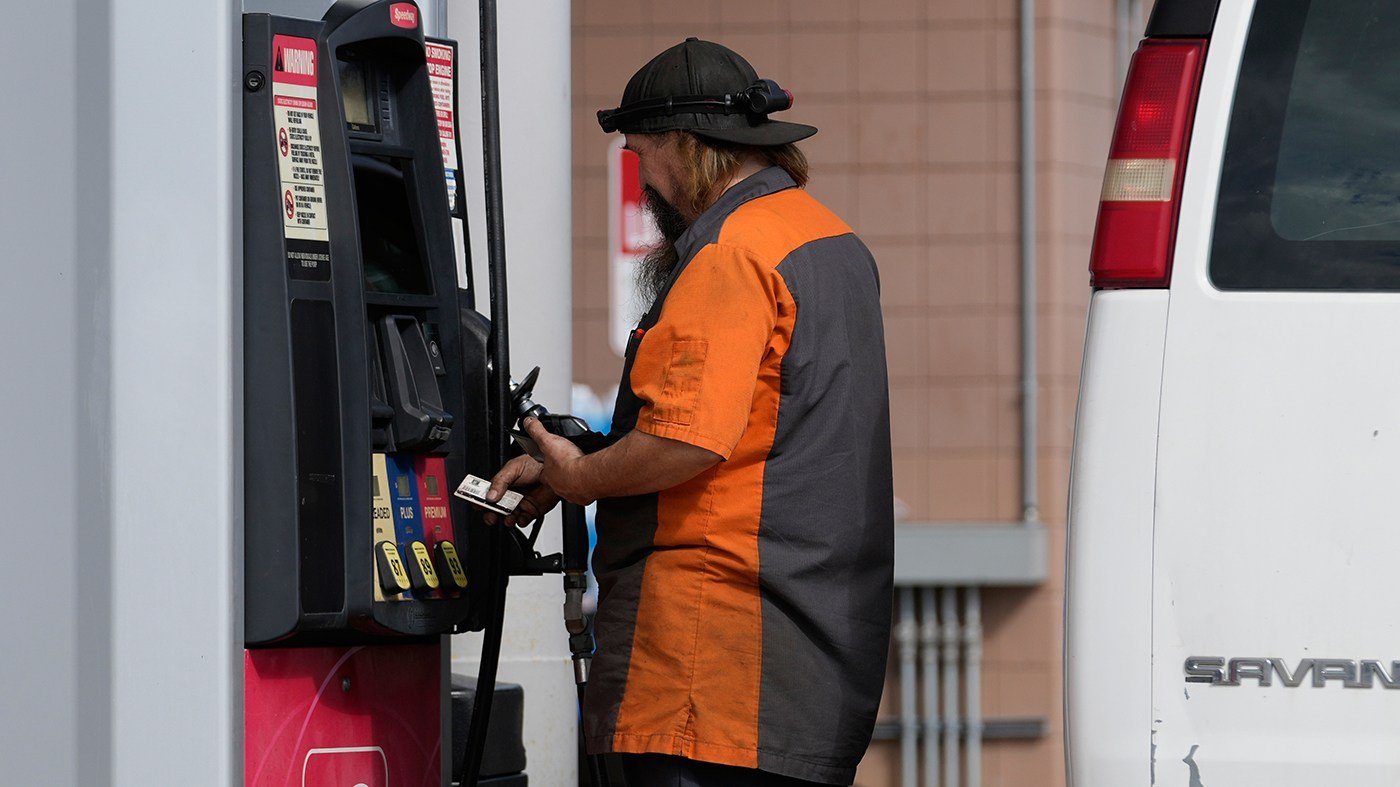
The unfinished agenda also includes the farm bill, which Senate Agriculture Committee Chair John Boozman (R-Ark.) wants to complete before Christmas, and the National Defense Authorization Act, a priority for Armed Services Committee Chair Roger Wicker (R-Miss.). The sky-high fuel costs and Iran conflict have only widened the Senate map, adding to GOP anxiety.
With just weeks until Election Day, the Senate's early exit underscores a party bracing for losses. As Kennedy put it, "I've done polling in my own state, and it's a pretty red state, but people all across the political spectrum are very unsettled."