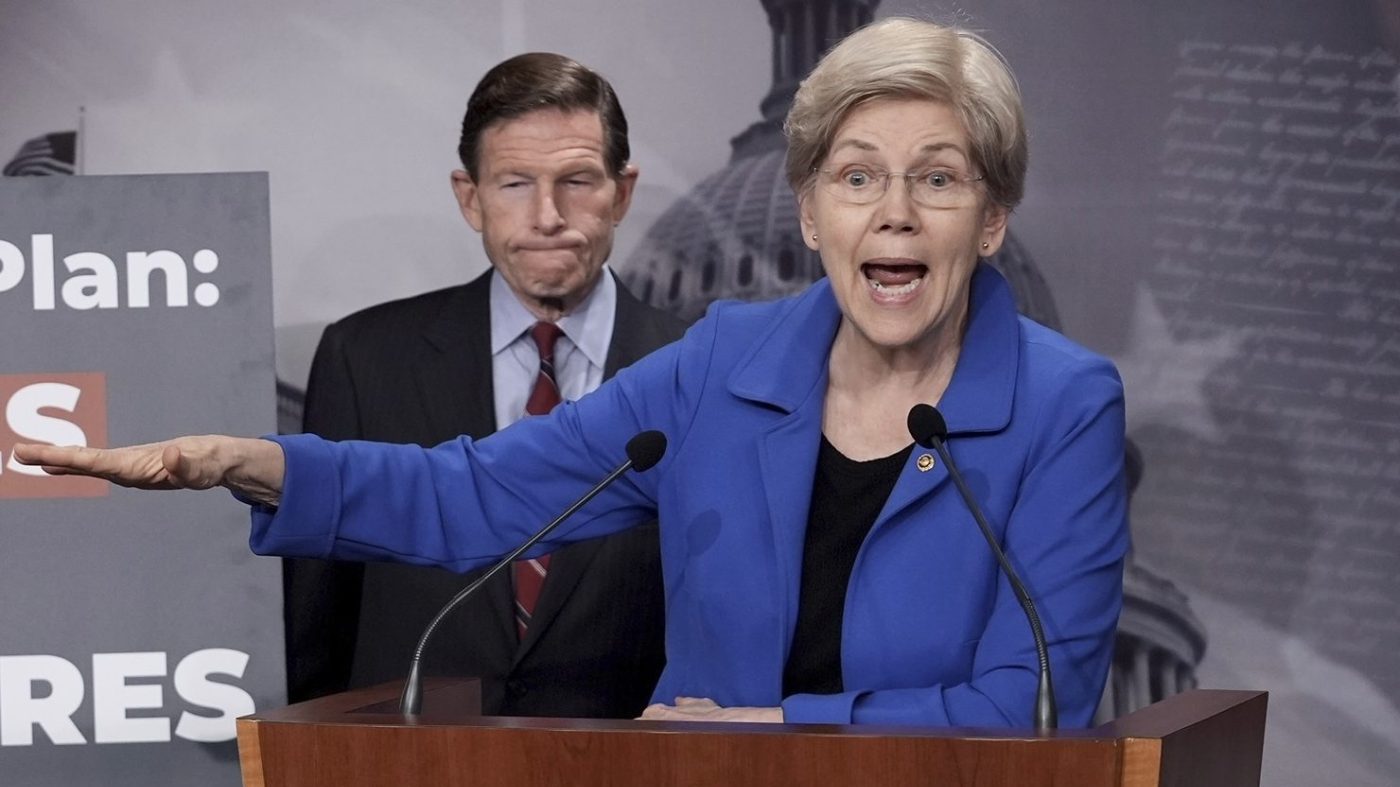
Five senior Senate Democrats are escalating pressure on President Donald Trump over his massive cryptocurrency earnings, calling for formal investigations into potential national security risks tied to his digital asset holdings. In a joint statement Friday, Senators Elizabeth Warren (Mass.), Richard Blumenthal (Conn.), Gary Peters (Mich.), Dick Durbin (Ill.), and Ron Wyden (Ore.) pointed to Trump's financial disclosures showing nearly $1.2 billion in crypto-related income last year as a clear conflict of interest.
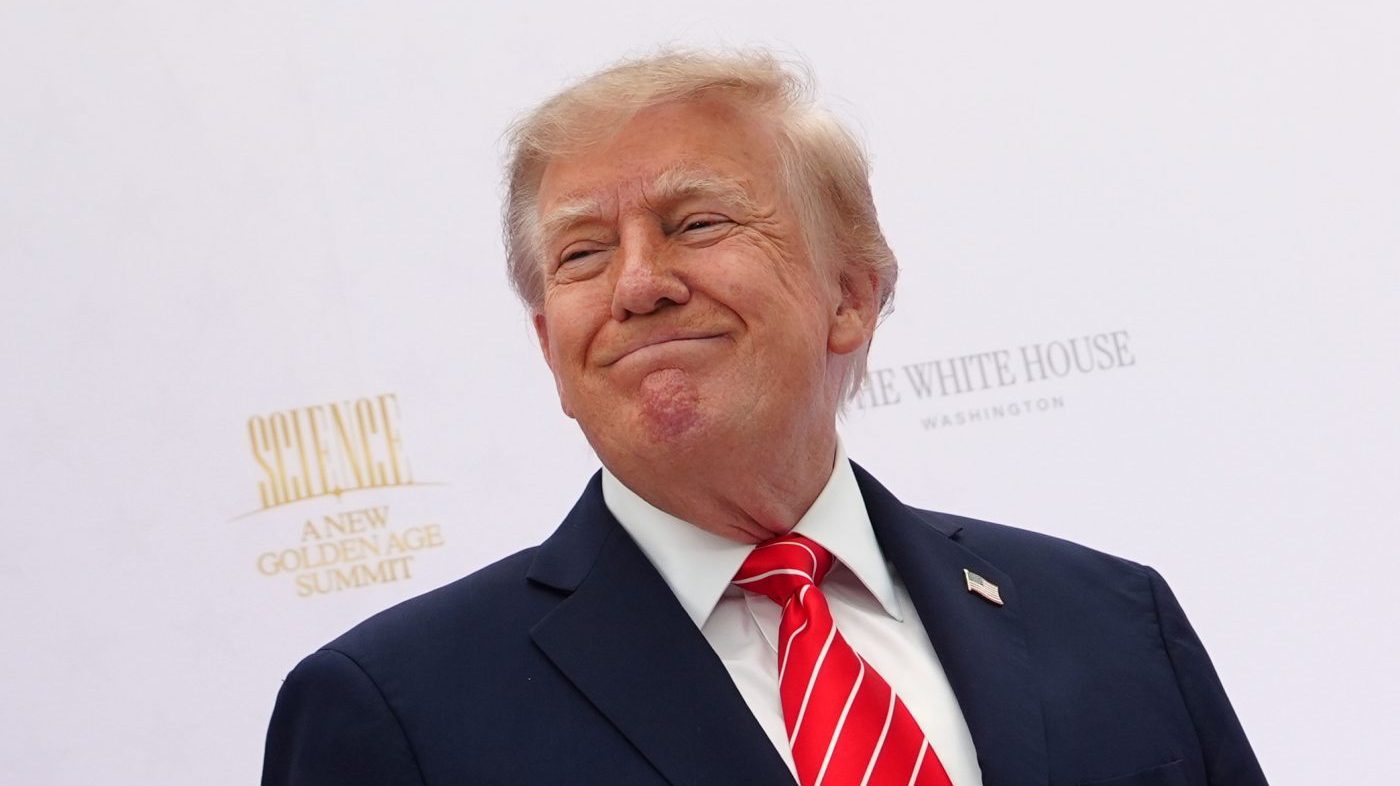
The president's latest financial report, released by the administration last week, revealed he made roughly $594 million from World Liberty Financial, the crypto venture he launched with his sons in 2024, plus another $635 million from his personal meme coin. The senators zeroed in on the fact that unidentified third parties still hold a 25 percent stake in World Liberty Financial, raising questions about who might be influencing the president's policy decisions.
Lawmakers question foreign influence on crypto policy
“The disclosures heighten concerns about the President pushing Congress to pass crypto legislation in favor of the very industry he’s cashing in on, the Administration’s moves to exempt cryptocurrencies and service providers from existing financial services regulations, and its steps to weaken enforcement, including by disbanding the Department of Justice’s National Cryptocurrency Enforcement Team,” the senators said in their statement.
Trump has been actively lobbying lawmakers to pass the Clarity Act, a bill that would create a regulatory framework for digital assets, splitting oversight between two financial regulators. He already signed the GENIUS Act into law last July, but that measure only covers stablecoins—digital tokens pegged to stable assets like the U.S. dollar—leaving the broader market largely unregulated.
The senators serve as the top Democrats on the Senate Banking, Homeland Security, Judiciary, and Finance Committees, as well as the Permanent Subcommittee on Investigations. They urged their respective panels to hold hearings to examine “the national security implications of President Trump’s cryptocurrency holdings, including the influence of the UAE or unknown third parties on President Trump’s actions.”
UAE royal stake draws fresh scrutiny
The United Arab Emirates’ involvement with World Liberty Financial has been under scrutiny since January, when The Wall Street Journal reported that an Emirati royal quietly purchased a 49 percent stake in the company shortly before Trump’s inauguration. The senators cited that report as evidence that foreign governments could be using crypto investments to gain leverage over the president.
This is not the first time Trump’s financial entanglements have sparked bipartisan concern. The president has faced similar questions over his business dealings with foreign entities, including his family’s real estate projects in the Middle East. The latest controversy adds to a growing list of ethics and security debates surrounding his administration. For context, the ongoing threat of foreign interference was highlighted in recent intelligence reports about Iran's assassination plot against Trump, which underscored how adversaries might exploit vulnerabilities in his inner circle.
Meanwhile, the White House dismissed the Democratic pushback as a distraction. In a statement to The Hill last week, the administration argued: “Democrats will do anything to distract from their clear record of incompetence and proven agenda of failure, from Joe Biden’s inflation crisis to his dumpster fire of a southern border to a lunatic obsession with transgenderism. The American people, fortunately, know better.”
The clash comes as Trump continues to reshape federal oversight of digital assets, including efforts to roll back enforcement mechanisms. The disbanding of the DOJ’s National Cryptocurrency Enforcement Team has been a particular sore point for Democrats, who argue it weakens the government’s ability to police fraud and illicit finance in the crypto space. The broader political landscape has also shifted, with recent Senate majority hopes dimming for Democrats after chaotic primary battles in Maine and a progressive surge in Michigan, making the party's oversight efforts more urgent.
As the Clarity Act moves through Congress, the Democratic senators are vowing to keep the spotlight on Trump’s financial ties. “The American people deserve to know whether the president is making policy to benefit his own wallet or the country’s security,” Warren said in a separate statement. The coming weeks are likely to see heated hearings and a deepening partisan divide over the intersection of digital assets and presidential power.