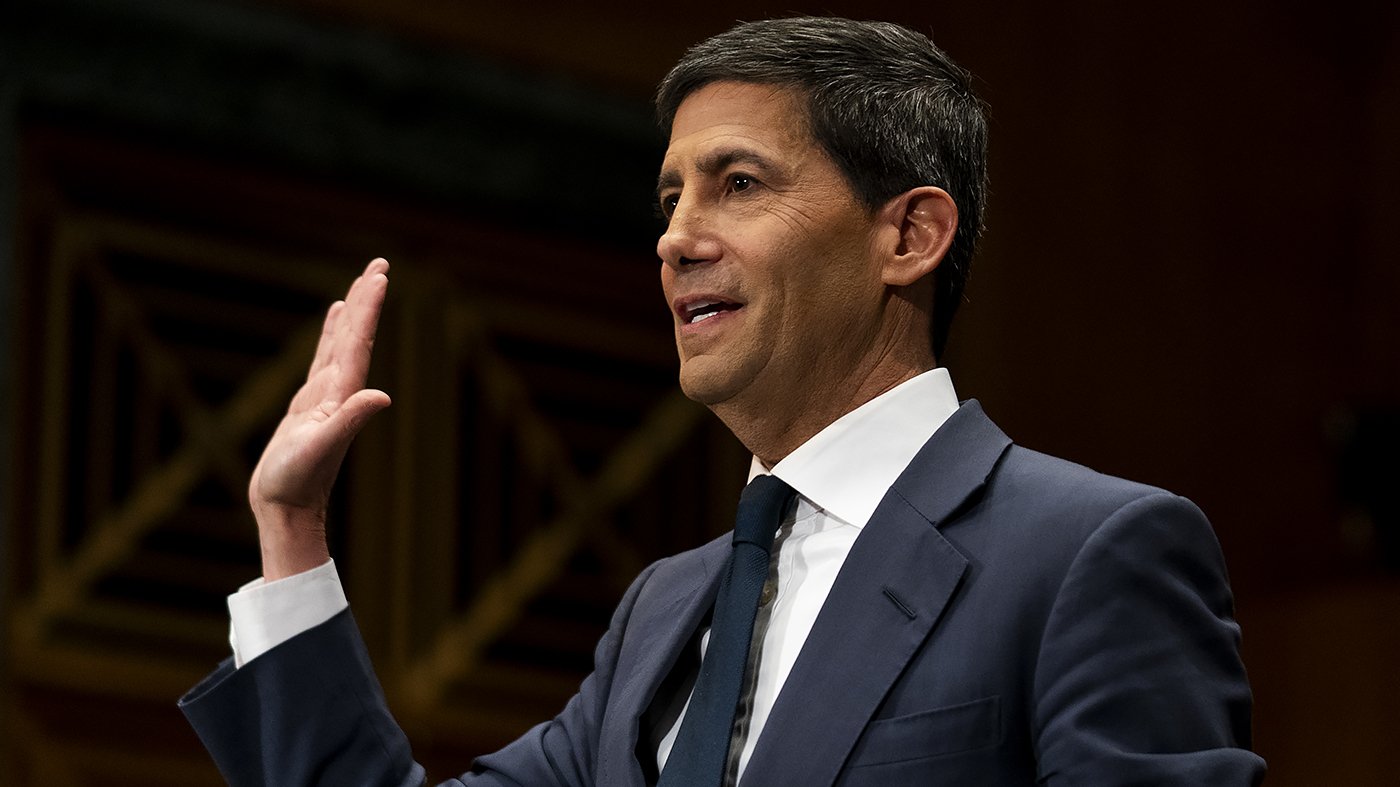
The Senate voted Wednesday to confirm Kevin Warsh as the next chair of the Federal Reserve, installing a former board member who pledged independence from the White House on interest-rate decisions. The final tally was 54-45, with Democratic Senator John Fetterman of Pennsylvania breaking ranks to support the nominee.
Warsh, who served on the Fed's board of governors from 2006 to 2011, will succeed Jerome Powell. Powell's tenure was marked by repeated clashes with President Trump over monetary policy and regulatory oversight.
The confirmation ended a protracted standoff between Trump and Senator Thom Tillis of North Carolina. Tillis had held up Warsh's nomination in the Senate Banking Committee to protest the Justice Department's investigation of Powell. The logjam broke only after federal prosecutors dropped their inquiry, clearing the way for a committee vote.
Throughout his confirmation process, Warsh worked to reassure lawmakers that he would operate as an independent voice at the central bank. He explicitly denied making any deal with Trump on future interest-rate moves, a key concern for both parties given the president's public pressure on the Fed to lower borrowing costs.
Warsh inherits an economy facing persistent inflation and uncertainty over Trump's trade policies, including a 10% tariff recently blocked by a federal court in a separate ruling. His leadership will be closely watched on Wall Street and Capitol Hill as the Fed navigates the balance between price stability and growth.
Fetterman's vote was a notable defection from Democratic unity. He joined Republicans to advance Warsh's nomination, a move that drew criticism from progressive groups but underscored the bipartisan appeal of Warsh's institutional experience. Senator Chris Coons of Delaware also broke ranks earlier in the process to support Warsh in committee.
With Powell's exit looming, Warsh's confirmation marks a shift in the Fed's leadership. He takes the helm at a time when the central bank faces pressure from both the administration and Congress to adjust policy amid mixed economic signals.
For more on the political dynamics behind the nomination, read about how Fetterman and Coons broke ranks to advance Trump's pick. The confirmation also comes after the Senate cleared the path for Warsh as Powell's departure neared.