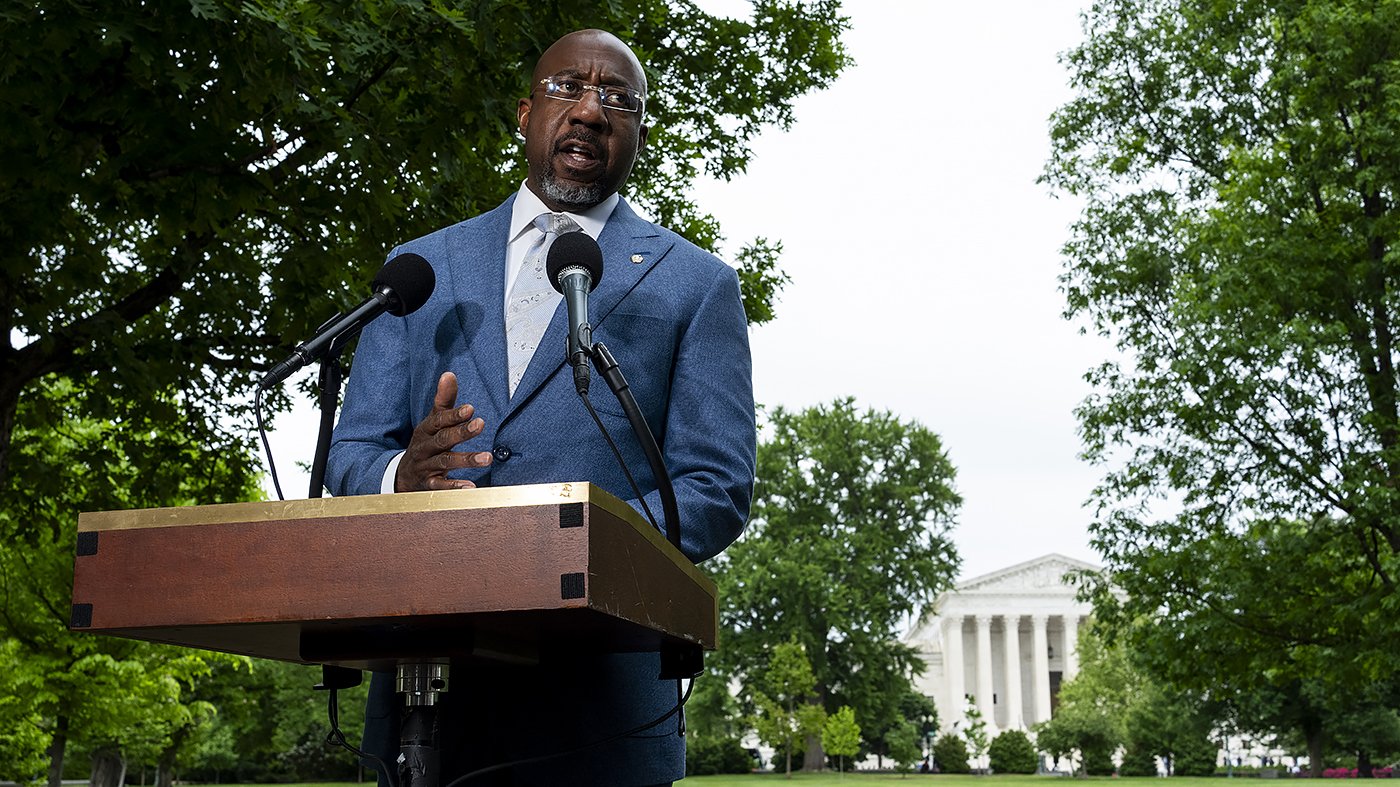
The Senate on Tuesday rejected a procedural move to force a vote on withdrawing U.S. forces from hostilities in Iran, despite four Republican senators crossing party lines to support the measure. The 47-48 vote fell short of the majority needed, with centrist Democrat John Fetterman of Pennsylvania siding with Republicans to block the effort.
The motion, sponsored by Senator Raphael Warnock of Georgia, aimed to discharge a war powers resolution from the Senate Foreign Relations Committee. Four GOP senators—Rand Paul of Kentucky, Susan Collins of Maine, Lisa Murkowski of Alaska, and Bill Cassidy of Louisiana—joined Democrats in backing the move. These same four had previously supported a similar discharge motion for a resolution from Senator Tim Kaine of Virginia last month, which passed 50-47.

Five senators missed the vote: Democrats Michael Bennet of Colorado and Cory Booker of New Jersey, Republican Josh Hawley of Missouri, Minority Leader Mitch McConnell of Kentucky, and Independent Bernie Sanders of Vermont.
Senator Thom Tillis of North Carolina, a frequent Trump critic, left colleagues guessing for over 45 minutes before voting no. He had signaled uncertainty earlier, questioning the administration's strategy on Iran. “Are we in a ceasefire? Are we in an agreement that is basically a new agreement on a ceasefire? Are we working toward a real lasting agreement that may be subject to ratification by Congress?” Tillis asked. He added that if U.S. forces remain at risk, Congress should debate an authorization for the use of military force.
Democrats remain hopeful that Tillis or another Republican could flip their vote when Kaine brings his war powers resolution to the floor for a motion to proceed, possibly next week or next month. Kaine would need at least one additional GOP supporter to secure a narrow win. “We think we can have a narrow win,” Kaine told The Hill last week. “I don’t have one absolutely pinned down but I think I’m close.”
The vote underscores ongoing congressional unease over the Trump administration's Iran policy, particularly as the president pursues a controversial nuclear deal that has left many lawmakers in the dark. As Senate Republicans demand the full text of Trump's Iran deal, the lack of transparency has fueled bipartisan skepticism. Meanwhile, Trump has dismissed concerns from allies like Senator Lindsey Graham, warning of 'big trouble' if doubts persist.
The failed resolution marks the latest chapter in a long-running battle between Congress and the executive branch over war powers. Supporters argue that the Constitution requires congressional approval for sustained military engagements, while opponents contend that the resolution would hamstring the president's ability to respond to threats.
With the Senate narrowly divided, the outcome remains uncertain. Kaine’s strategy hinges on persuading at least one more Republican to break ranks, a task that may prove difficult given the political stakes. The next vote could come as early as next week, keeping pressure on both parties to clarify their stance on Iran.