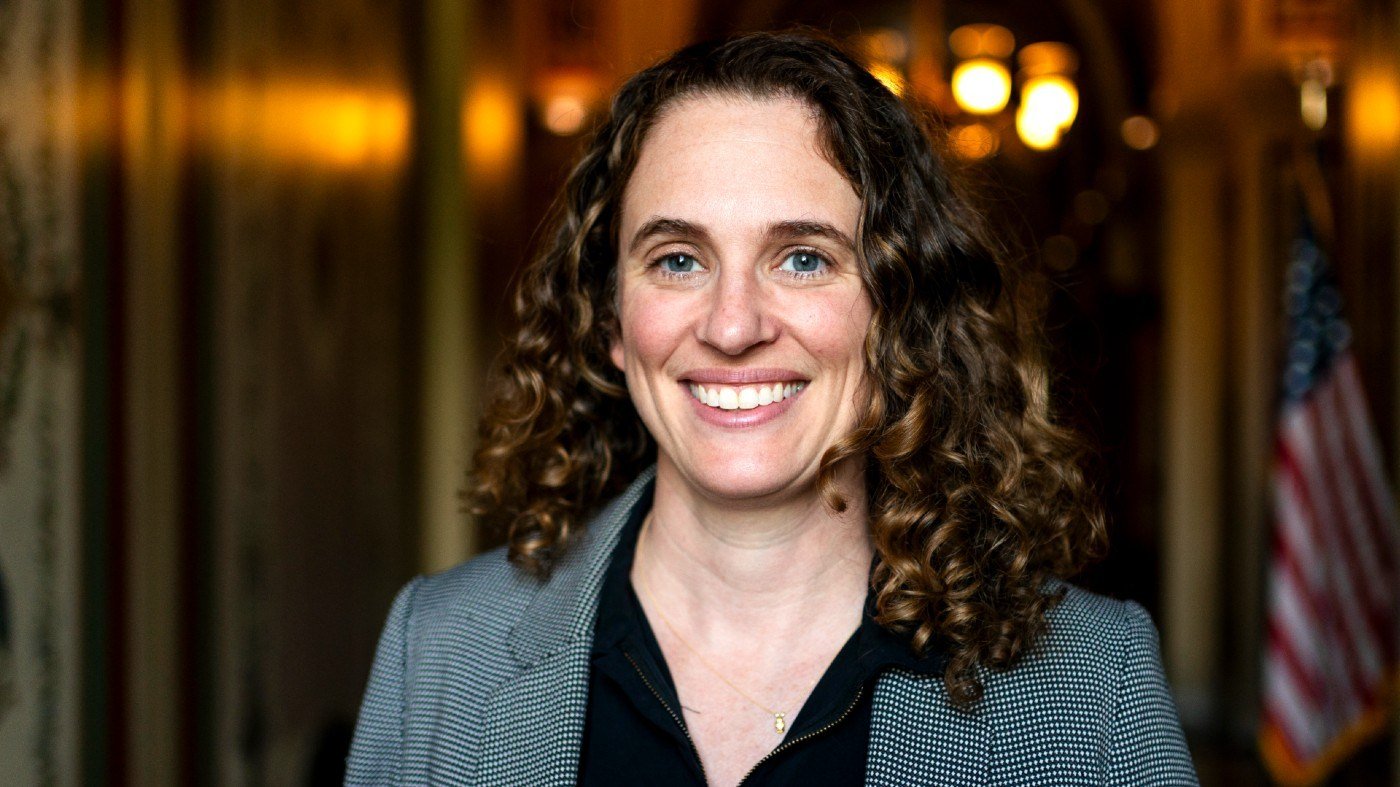
Carly Rush has built a career at the intersection of law and legislative power, and now she's helping Senate Democrats navigate the high-stakes battle over federal spending. As chief counsel for the Democratic side of the Senate Appropriations Committee, Rush is a key player in translating policy priorities into legally sound language—and in defending Congress's authority against executive overreach.
Rush's path to Capitol Hill began in 2013, when she was pursuing a joint degree in public policy and law at Harvard. A summer clerkship with the Senate Health, Education, Labor and Pensions (HELP) Committee—then chaired by Sen. Tom Harkin (D-Iowa)—gave her an early taste of legislative work. After a stint at the Virginia attorney general's office, she returned to the HELP Committee under its new chair, Sen. Patty Murray (D-Wash.), where she dove into oversight investigations, drafted amicus briefs, and vetted nominees.

Her legal training became a tool for advancing policy aimed at helping children, particularly in healthcare. One of her proudest achievements from that period was a 2016 report Murray released after a year-long investigation into medical devices that were making hospital patients sick. Rush led the probe, sifting through records from manufacturers, hospitals, and the FDA to uncover what went wrong.
When Murray moved to the top Democratic spot on the Appropriations Committee in 2023, Rush followed. The shift was significant. "The appropriations work is broader and touches every part of the federal government," she explained, while HELP staff "goes deeper into specific issues and a smaller range of policy areas." Her role now involves refining legislative language and filing amicus briefs that explain congressional intent to the courts.
Rush is on the front lines of a constitutional showdown over spending power. "There's been in the last few years a complete rethinking of the power of Congress versus the president when it comes to spending," she said. "President Trump and others have one view. There are other views out there, and depending on how you think about this, you might want to write language down differently."
Her work is especially relevant as Democrats weigh their response to executive actions on spending. The legal battles over appropriations language are part of a broader struggle over the balance of power in Washington. For Rush, the job is about ensuring that the Democratic caucus's priorities are "captured effectively in the law," as she put it.
The stakes are high, and Rush's expertise is in demand. As the appropriations process moves forward, her ability to bridge legal nuance and political strategy will be crucial. Her background on the HELP Committee, where she focused on healthcare and oversight, gives her a unique perspective on how policy intent can be lost or preserved in statutory text.
Rush's trajectory reflects a broader trend of lawyers playing pivotal roles in congressional power struggles. With the Supreme Court increasingly involved in spending disputes, her amicus work could shape how courts interpret legislative intent. And as Democrats prepare for potential fights over a government shutdown or debt ceiling, Rush's counsel will be central to their strategy.
Her colleagues note that Rush's dual training in law and policy makes her an effective translator between the legal and political worlds. In an era of divided government and executive challenges, that skill is more valuable than ever.
As the debate over federal spending intensifies, Rush's work on the Appropriations Committee will continue to be a critical piece of the Democratic response. Whether it's crafting precise language or defending Congress's spending power in court, she is helping shape the legal framework for how the government funds its operations.