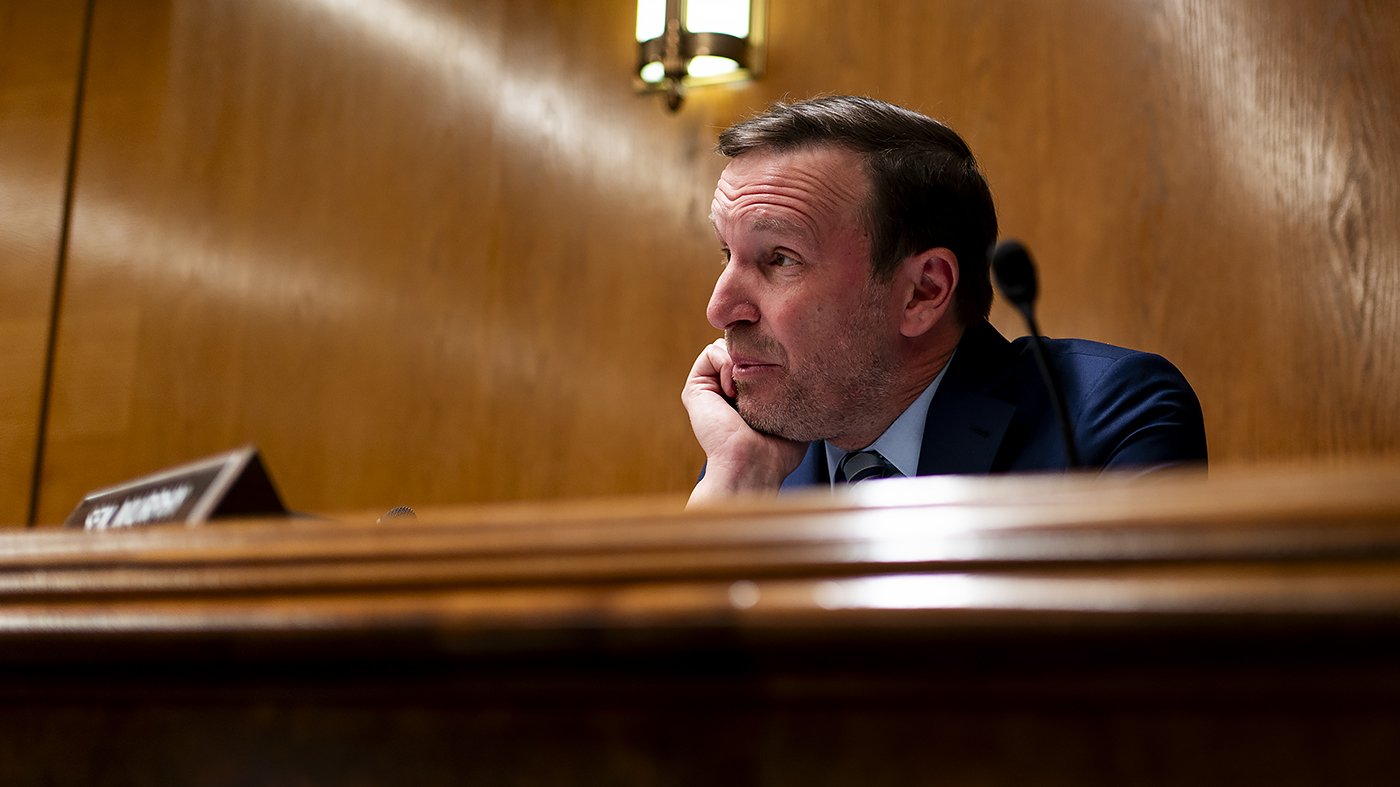
Sen. Chris Murphy (D-CT) has issued a stark warning to media moguls, vowing that Democrats will dismantle large media conglomerates if they regain power. The senator’s remarks came in response to a recent event hosted by Paramount CEO David Ellison, celebrating the company’s merger with Warner Bros. Discovery.
“Ellison and the information oligarchs should enjoy it while they can because when Democrats win power we are going to break these anti-consumer, anti-free speech media conglomerates into pieces,” Murphy wrote on X, attaching a photo of the event invitation.
The merger, approved by Warner Bros. Discovery’s board on Thursday after a bidding war with Netflix, is expected to close in the third quarter of 2026. It now requires final approval from the Trump administration’s Justice Department, a prospect that has drawn sharp criticism from Democrats.
Ellison and his father, Oracle co-founder Larry Ellison, control CBS through Paramount. The billionaires have cultivated close ties with President Trump, hosting a party at the U.S. Institute of Peace—a venue where Trump’s name was added to the building’s exterior in December. The invitation read: “David F. Ellison cordially invites you to an intimate gathering in celebration of the First Amendment honoring the Trump White House and CBS White House Correspondents.”
The event has fueled Democratic concerns about media consolidation and political influence. Over 100 Hollywood actors, directors, and producers signed an open letter in April opposing the deal, warning it would reduce competition and harm the industry. “This transaction would further consolidate an already concentrated media landscape, reducing competition at a moment when our industries—and the audiences we serve—can least afford it,” they wrote. “The result will be fewer opportunities for creators, fewer jobs across the production ecosystem, higher costs, and less choice for audiences in the United States and around the world. Alarmingly, this merger would reduce the number of major U.S. film studios to just four.”
Murphy’s pledge aligns with a broader Democratic push against media concentration, echoing past efforts to curb the power of tech and media giants. The senator’s rhetoric underscores a growing frustration with what Democrats view as an oligopolistic media environment that stifles competition and free speech.
The merger and the accompanying celebration have also reignited debates about the intersection of media, politics, and money. Critics argue that the deal benefits a small group of billionaires at the expense of consumers and independent voices. Meanwhile, supporters of the merger contend it will create efficiencies and strengthen the combined company’s ability to compete in a rapidly evolving market.
As the deal moves toward regulatory review, the political stakes are high. Democrats are likely to use the issue to rally their base, framing it as a fight against corporate power and for media diversity. Whether the Justice Department will approve the merger remains uncertain, but the battle lines are clearly drawn.