Ukrainian authorities announced Sunday that a Russian drone had struck a nuclear fuel handling facility near the Chernobyl exclusion zone, the site of the world’s worst nuclear disaster in 1986. The attack, carried out by a Shahed-type drone, ignited a fire that was extinguished by Ukrainian emergency crews, with no immediate reports of casualties or elevated radiation.
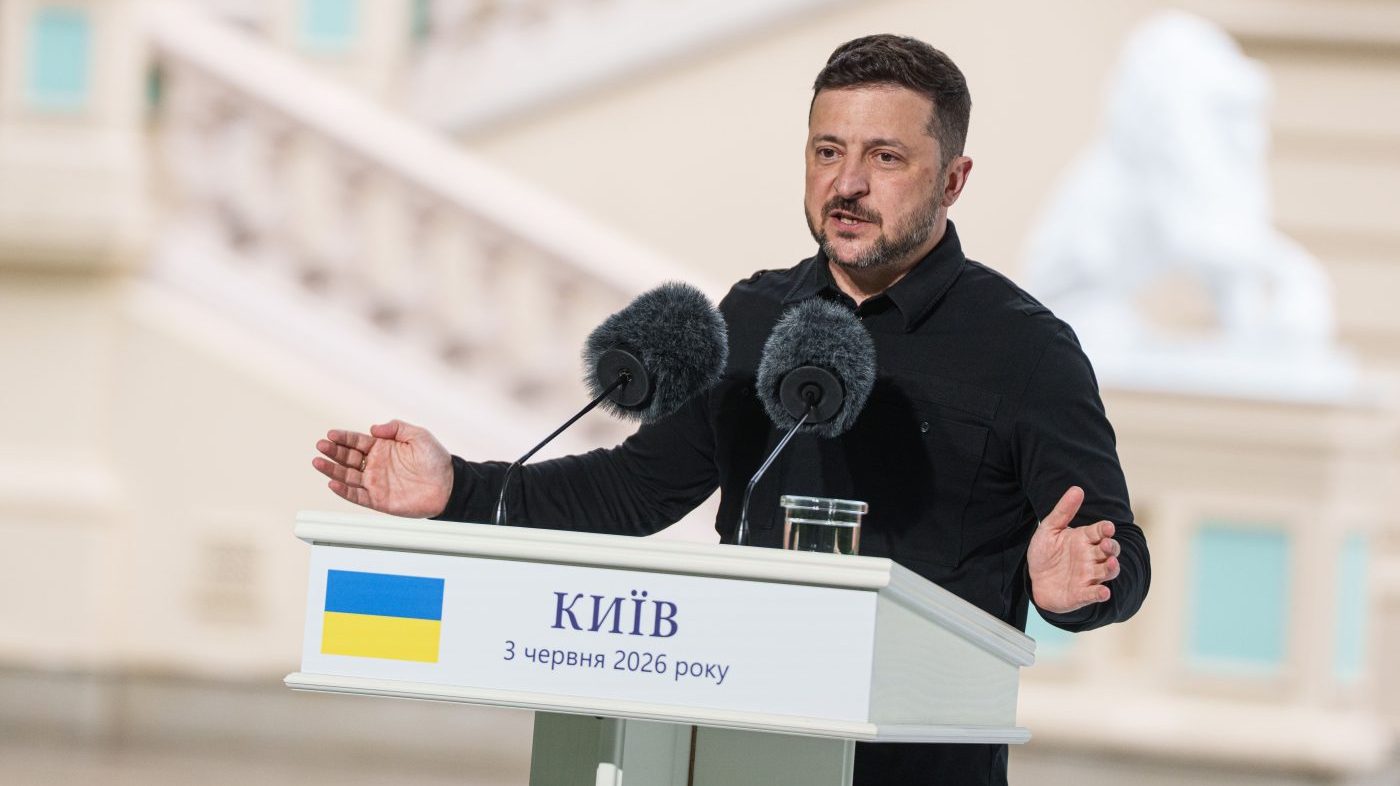
President Volodymyr Zelensky described the strike as “extremely vile” and warned that it underscored Moscow’s growing recklessness. “As of now, there are no readings exceeding normal background radiation levels,” Zelensky wrote on X. “But there is certainly an increase in Russia’s brazenness, which long ago went off the charts. … Real new steps by the world are needed so that the Russians feel that this terrorist war of theirs is a blow to Russia itself.”
Damage and International Response
Energoatom, Ukraine’s state nuclear company, told the Financial Times that the drone hit the reception area of a heavily guarded facility, damaging the building’s facade, windows, and doors. The blast wave also affected nearby structures. The International Atomic Energy Agency (IAEA) confirmed the damage and said it would dispatch a team to assess the site.
IAEA Director-General Rafael Grossi called the incident “deeply concerning” and reiterated that attacks on nuclear installations are “completely unacceptable and in direct contravention of key nuclear safety principles.” Ukrainian Foreign Minister Andrii Sybiha echoed that sentiment, stating on X: “This is not the first time Russian forces are putting Ukrainian nuclear facilities at risk. Russia’s nuclear blackmail and threats to nuclear safety are systemic, deliberate, and unacceptable.”
Russia has not publicly acknowledged the strike.
Context of Stalled US-Ukraine Drone Deal
The attack comes amid a tense standoff between Kyiv and the Trump administration over a proposed bilateral drone deal. Zelensky had publicly appealed for a “big framework document” to secure American drone technology and support. However, the White House has held back, effectively freezing major weapons assistance to Ukraine. A former Trump administration official, speaking anonymously to The Hill, attributed the delay to “a certain amount of hostility towards Ukraine coming from the very top.”
On Capitol Hill, a bipartisan coalition pushed back. The House recently passed a bill authorizing military aid to Ukraine and sanctions on Russia, with 18 Republicans and former Republican Kevin Kiley siding with Democrats. The measure, advanced via a discharge petition, is largely symbolic but signals growing congressional unease with the administration’s stance. It includes provisions for reconstruction assistance, additional security aid for Baltic states, and foreign military financing loans for Ukrainian weapons purchases.
Nuclear Safety Concerns Escalate
The Chernobyl strike is the latest in a series of incidents that have alarmed nuclear safety experts. Since the full-scale invasion began in 2022, Russian forces have repeatedly endangered nuclear facilities, including the Zaporizhzhia plant, which remains under Russian occupation. The IAEA has consistently called for restraint, but Grossi noted that “this strike is a stark reminder that the risk of a nuclear accident remains very real.”
Ukrainian officials stress that the containment structure at Chernobyl was not directly hit, but the proximity of the attack to spent fuel storage raises long-term concerns. The facility, which houses radioactive waste from the 1986 disaster, is a sensitive site that the international community has long sought to protect.
As the war grinds on, the intersection of drone warfare and nuclear infrastructure poses a growing threat. The Trump administration’s reluctance to finalize a drone deal with Ukraine may leave Kyiv more dependent on its own limited resources to counter such strikes—even as Moscow’s tactics grow bolder.