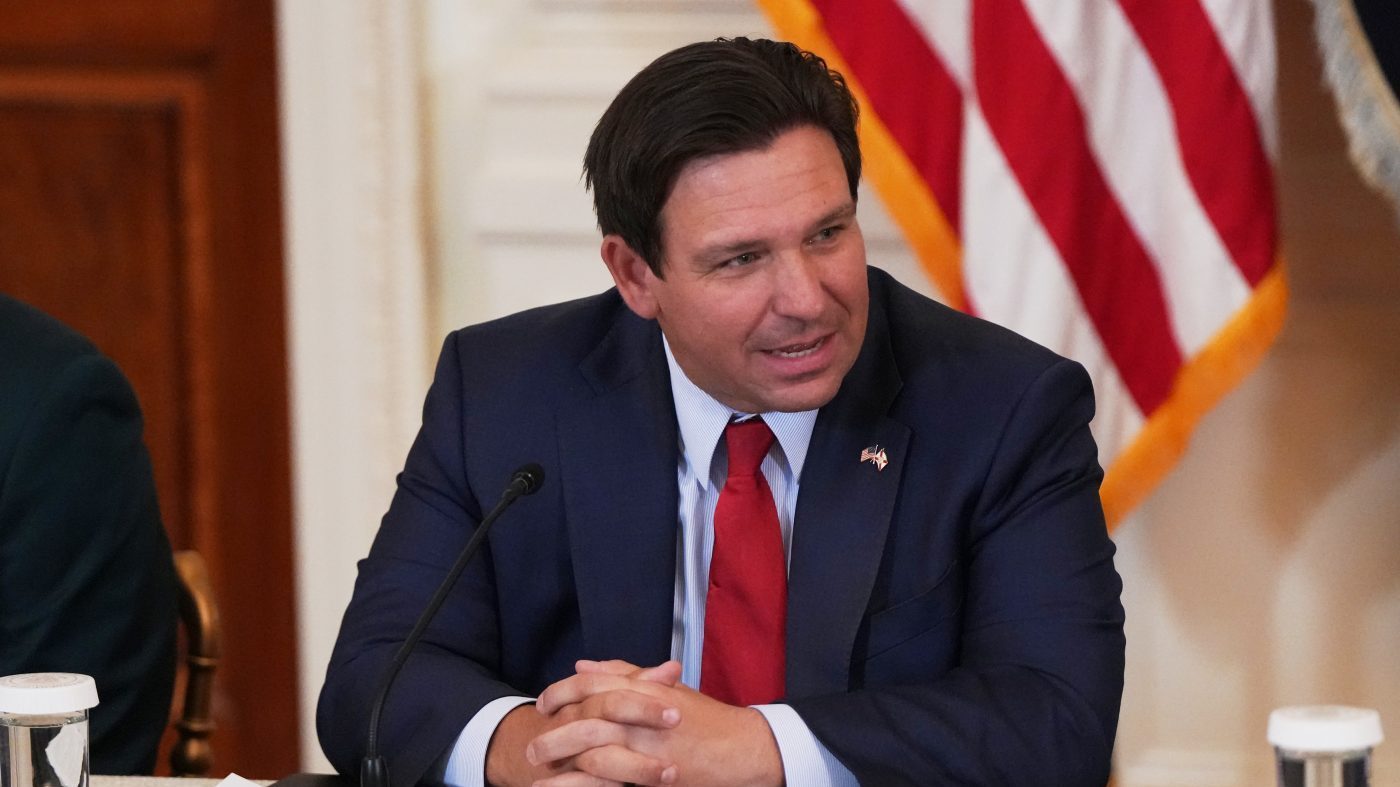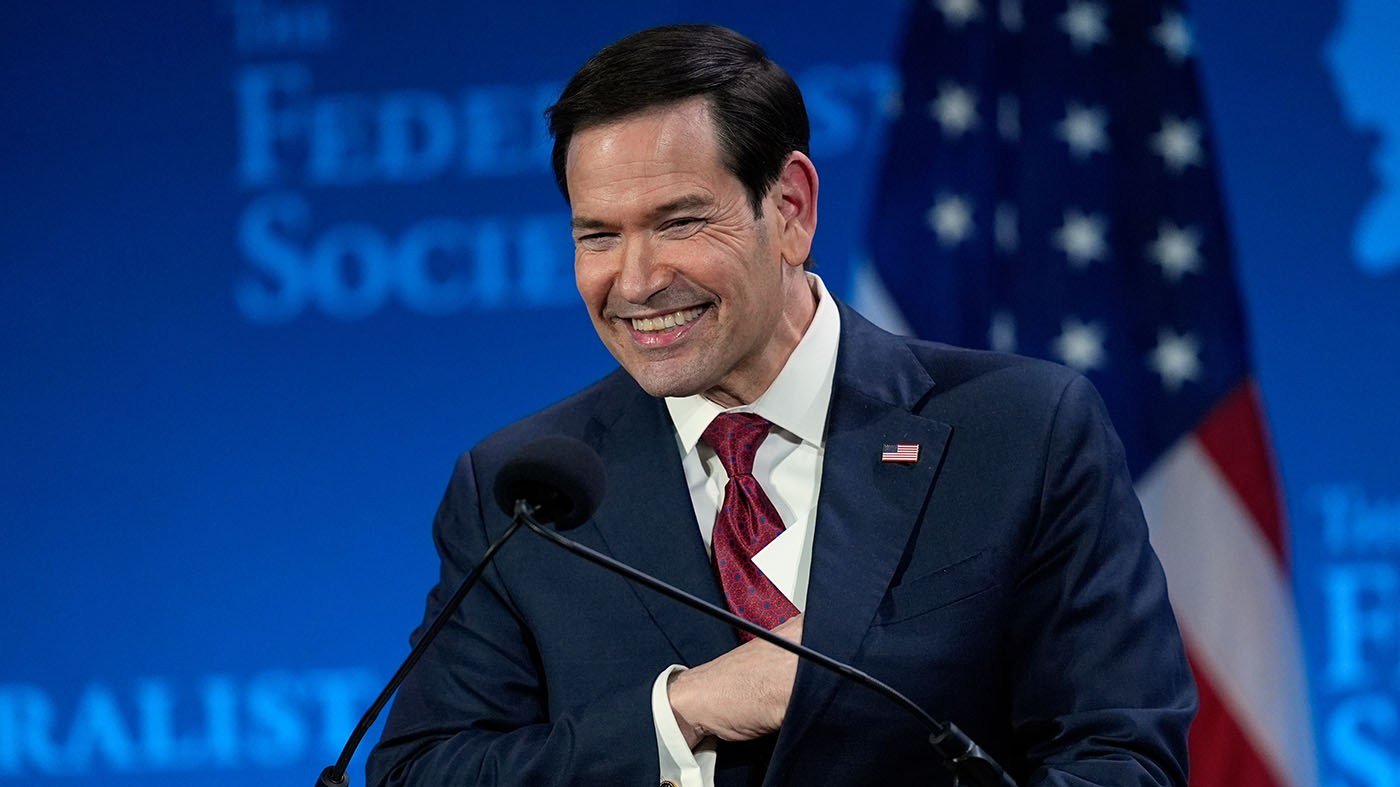
In the wake of a devastating midterm cycle for Republicans, the early jockeying for the 2028 presidential nomination has taken a sharp turn. Secretary of State Marco Rubio is now the subject of growing speculation among GOP insiders as a potential standard-bearer, while Vice President JD Vance's political stock has tumbled following the party's bruising losses and his controversial comments on the Iran conflict.
Democrats swept to power in November, capturing 56 Senate seats and at least 257 House seats—a result widely interpreted as a referendum on President Trump's leadership. That shellacking has left Republicans scrambling for a candidate who can both energize the base and appeal to a broader electorate in 2028, and many see Rubio as uniquely positioned to do so.
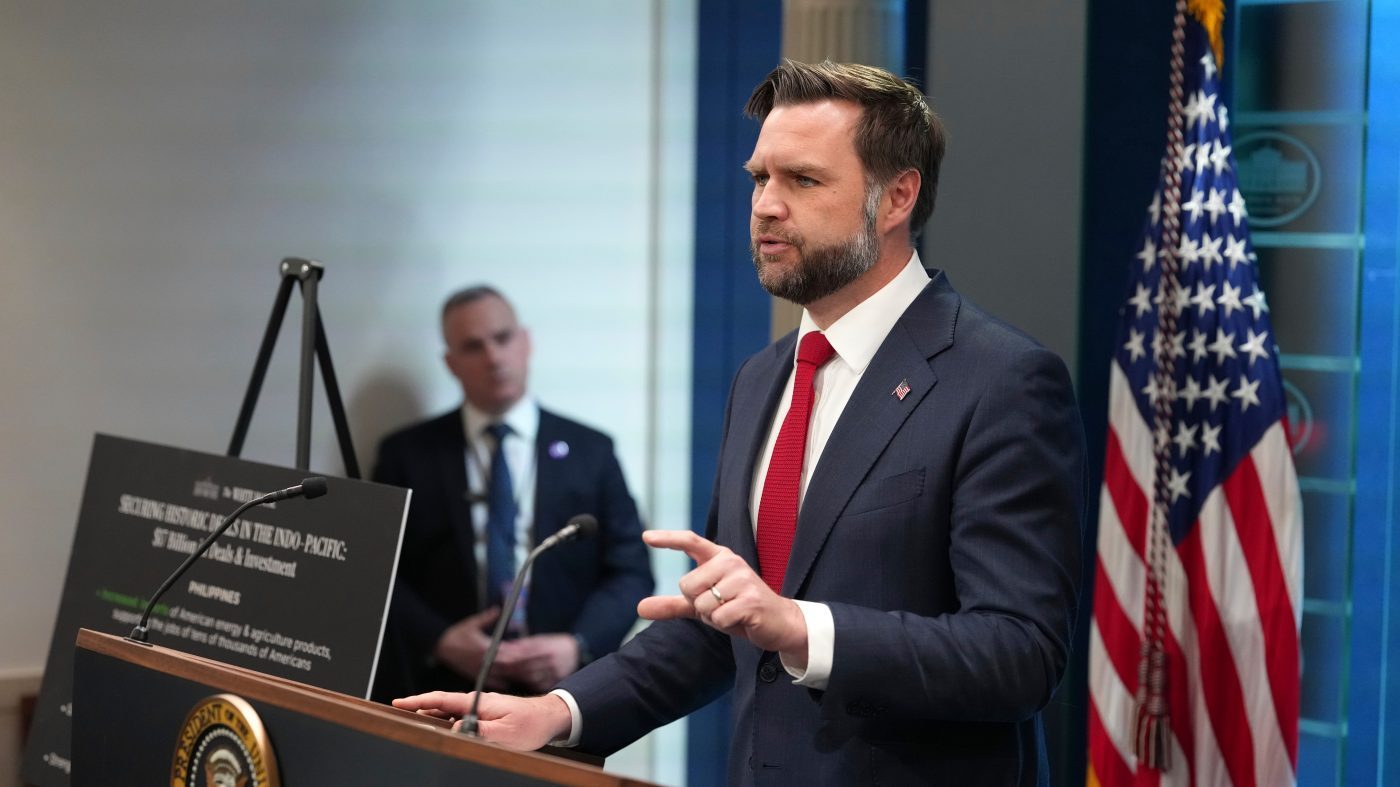
Vance's Fall from Grace
Vance, who was once seen as a Trump loyalist with a clear path to the nomination, has seen his fortunes reverse. Just days after the election, he publicly blamed the GOP's losses on the administration's handling of the Iran war, a move that drew sharp criticism from within the party and reportedly irked the president. Trump, while initially dismissive, later pointedly noted that Vance should have defended the decision to enter Iran as a matter of U.S. security.
Now, those close to Vance are signaling he may sit out the 2028 race entirely, according to multiple sources familiar with the discussions. The vice president's camp has not confirmed any final decision, but the shift in tone is notable.
Rubio's Strategic Position
Rubio, by contrast, has carefully navigated his role in the Trump administration, building a distinct political identity while serving as one of its most visible figures. A former Tea Party darling and 2016 presidential candidate, Rubio has managed to maintain credibility with both the MAGA base and more traditional conservatives.
His allies, however, are cautious about a 2028 bid. "There are a lot of unknowns, that's the biggest problem," one Rubio confidant said, noting that the secretary of state has yet to convene his inner circle to discuss a potential run. Some advisers suggest he might be better served waiting until 2032, spending time in the private sector in the interim.
The president's shadow looms large over any potential campaign. Trump has asked Rubio to remain in the administration longer, and launching a presidential bid while serving as secretary of state and national security adviser would be a logistical and political challenge. "It's a narrow rope," one former Trump aide said, "but Rubio has walked it successfully so far."
Comparing the Field
Despite the obstacles, many GOP strategists believe Rubio is the strongest potential nominee. The former Trump aide argued that "Rubio is best positioned to actually win in 2028," adding that other contenders like Vance, Texas Sen. Ted Cruz, Florida Gov. Ron DeSantis, and former Virginia Gov. Glenn Youngkin "would all get smoked" in a general election.
Jason Cabel Roe, who served as a national spokesperson for Rubio's 2016 campaign, echoed that sentiment. "I don't think there's any disputing that there is a very wide lane for him," Roe said. "He's demonstrated his skill set as secretary of state, and executed that as well as any member of the Trump Cabinet, without seeming to own a lot of the Trump liabilities."
Still, some longtime Rubio allies acknowledge the uphill climb. "On some level, I'm sure he wants to run, but I know there would have to be an obvious path if he were to get in," one ally said. "And I'm not sure there is one."
As the party grapples with its direction, the question of whether Trump will release his grip on the GOP remains central. The president has floated both Vance and Rubio as potential successors, but the midterm repudiation has complicated the calculus for anyone closely associated with the administration.
For now, Rubio's name is being whispered in the corridors of power, but whether he answers the call—or waits for a better moment—remains an open question. The political landscape is fluid, and the 2028 race is far from settled.