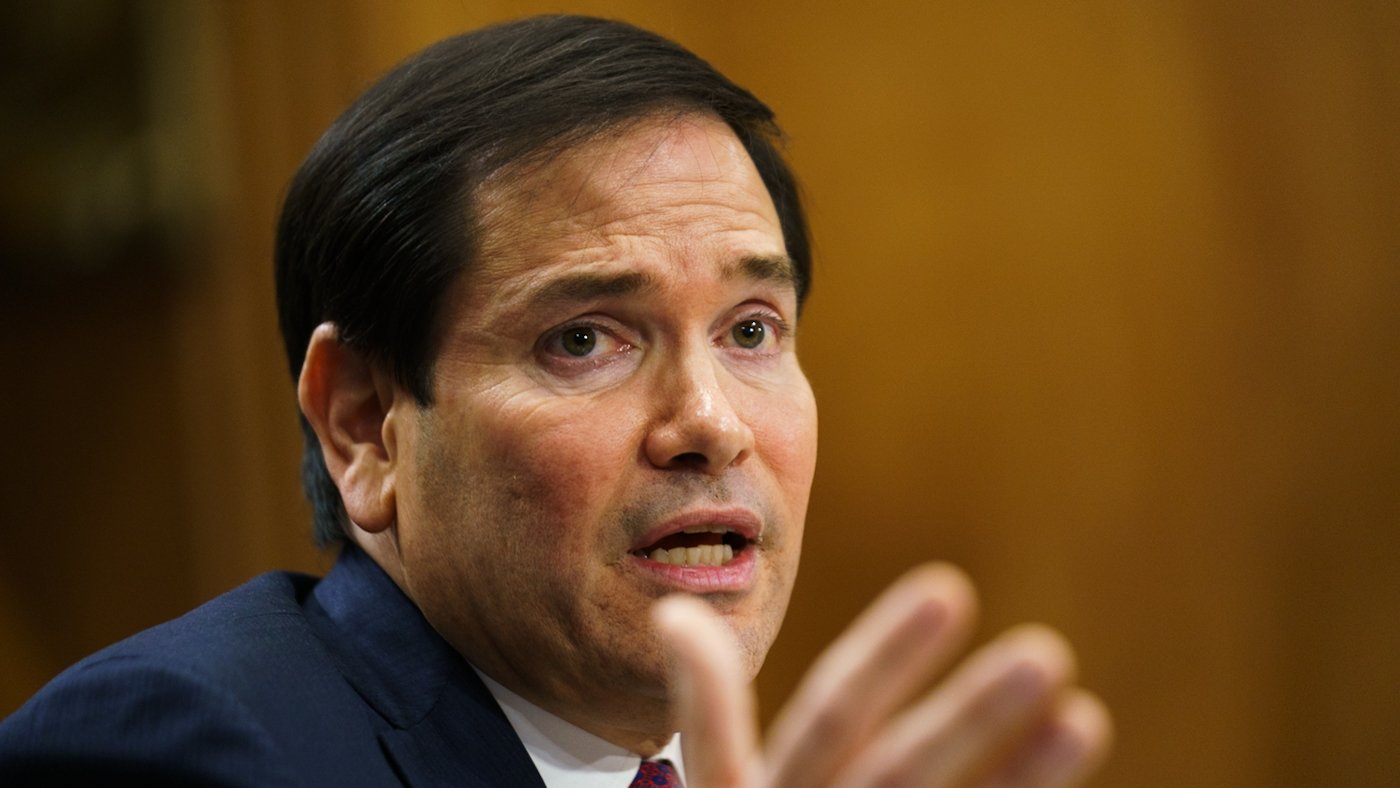
Secretary of State Marco Rubio faced a second day of congressional scrutiny on Wednesday, testifying before the Senate Appropriations Committee on the State Department's fiscal 2027 budget request and the escalating crisis in the Middle East. The hearing, scheduled for 3 p.m. EDT, comes on the heels of a contentious House session where Democrats challenged Rubio on the administration's Iran strategy and stalled diplomatic efforts to reopen the Strait of Hormuz.
Rubio's testimony underscores the administration's push to secure funding for diplomatic operations amid a volatile geopolitical landscape. The State Department's budget proposal reflects priorities in countering Iranian aggression and maintaining U.S. influence in the region, but lawmakers from both parties have raised questions about the costs and effectiveness of current policies.

During the House hearing, Democrats pressed Rubio on the Iran war, which has disrupted global oil shipments and drawn international criticism. Critics argue that the administration's approach has failed to de-escalate tensions, with negotiations to end hostilities appearing to stall. Rubio defended the administration's stance, emphasizing the need to counter Iran's nuclear ambitions and support regional allies.
The Senate panel is expected to probe similar issues, including the State Department's role in managing the fallout from the conflict and the broader implications for U.S. foreign policy. Lawmakers are also likely to examine the department's handling of the Ebola outbreak, global health cuts, and support for Taiwan, topics that emerged during Rubio's earlier testimony.
This hearing follows a series of budget-related clashes on Capitol Hill, including debates over the Department of Homeland Security's $63 billion request and Treasury Secretary Bessent's appearance before the Senate. The Iran war has also driven up gas prices, adding economic pressure to the political discourse.
Rubio's appearance marks a critical moment for the administration as it seeks to balance military engagement with diplomatic outreach. The secretary's defense of the budget comes amid broader GOP infighting over spending, with some conservatives calling for deeper cuts to foreign aid and diplomatic programs.
Democrats have signaled they will continue to press Rubio on the humanitarian and economic toll of the Iran conflict, as well as the administration's commitment to global health initiatives. The Ebola outbreak, which has resurfaced in parts of Africa, has drawn particular concern, with lawmakers questioning whether proposed cuts to global health programs could undermine response efforts.
As the hearing unfolds, observers are watching for signs of bipartisan consensus or further division. The outcome could shape the trajectory of U.S. foreign policy in the Middle East and beyond, with implications for the 2028 election cycle already emerging in discussions about potential tickets.