A record 25 million Americans under 35 are living with their parents, but unemployment isn’t the culprit. According to a new analysis from Realtor.com, roughly one in three young adults—25.2 million people—now reside at home, a share that has climbed back to 33 percent after dipping from its pandemic peak.
That figure marks a 6-percentage-point increase over the past two decades, even as the job market has remained relatively strong for this age group. The report finds that about 70 percent of 25- to 34-year-olds living with their parents are employed—a share that has held steady for 25 years.

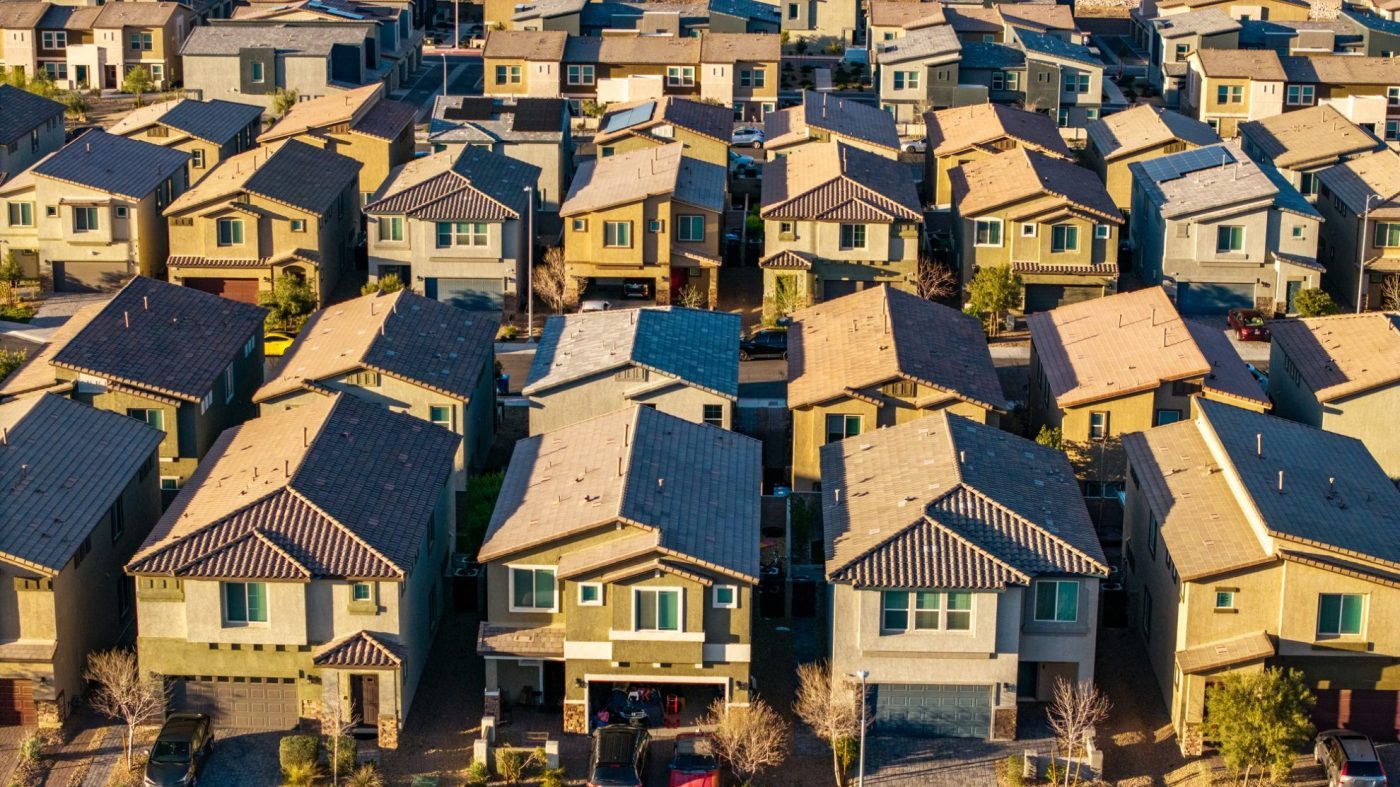
“The trend is likely primarily fueled by a housing affordability crisis,” said Hannah Jones, senior economist at Realtor.com. Soaring rents, high home prices, and stagnant wage growth have made independent living out of reach for many, even those with steady paychecks.
The data underscores a broader shift in the country’s economic landscape, where housing costs are reshaping family dynamics and delaying milestones like homeownership and marriage. The phenomenon is not limited to coastal cities; it’s now common in suburbs and mid-sized metros where affordability has eroded.
Political leaders have taken note. The issue has become a talking point for both parties, with some Democrats pushing for expanded rental assistance and down-payment support, while Republicans often blame regulatory barriers and zoning restrictions. Meanwhile, a recent poll found a plurality of Americans want to ban betting on election outcomes, reflecting public frustration with financial speculation amid broader economic anxiety.
The housing crunch also intersects with other demographic trends. A separate study linked the iPhone era to a record low in U.S. births, as young adults delay starting families in part due to housing costs. The combination of rising rents and stagnant wages has forced many to choose between living independently and saving for the future.
For policymakers, the numbers present a challenge: how to boost housing supply without fueling inflation. The Biden administration has pushed for new construction and tax credits for first-time buyers, but progress has been slow. Meanwhile, state and local governments grapple with NIMBY opposition and outdated zoning laws.
The Realtor.com analysis also notes that the share of young adults living at home remains below the pandemic-era peak of 35 percent, but the upward trend suggests the crisis is deepening. As Jones put it, “Until housing becomes more affordable, we’re likely to see more young adults doubling up with family.”
In a separate development, the IAEA chief confirmed inspectors will oversee Iran’s nuclear sites under a new U.S. deal, a reminder that international affairs also compete for Washington’s attention. But for millions of young Americans, the housing crisis is the most pressing political issue of the day.