Kentucky Senator Eyes Potential Return to National Stage
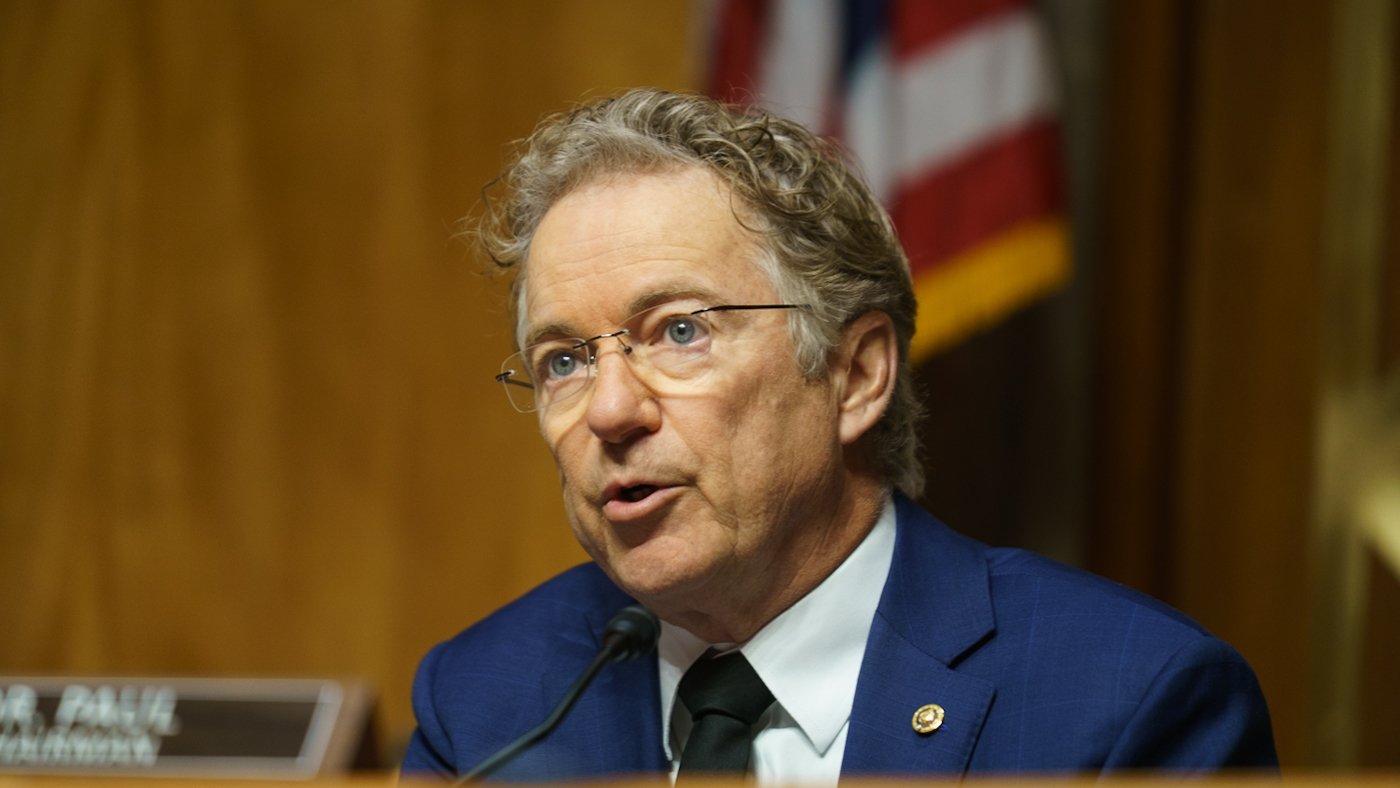
Senator Rand Paul (R-Ky.) has publicly signaled he is contemplating a bid for the Republican presidential nomination in 2028. In a preview of an interview set to air this Sunday, Paul told CBS News that he and his team are "thinking about it" and currently assess the odds at "50-50." He indicated a final decision will be made following the conclusion of this November's midterm elections.
Positioning Within a Crowded Field
Should he run, Paul would enter what is already shaping up to be a competitive primary. The field is expected to include prominent figures like Vice President JD Vance, Secretary of State Marco Rubio, and Florida Governor Ron DeSantis. Notably, Paul has previously stated he would not support Vance in a presidential contest, highlighting existing fractures within the party. This dynamic echoes other early maneuvering for 2028, such as when DeSantis hinted at a 2028 presidential run, citing timing as a key obstacle for 2024.
The Lone Libertarian Voice
In the interview, Paul framed his potential candidacy around a distinct ideological mission. He lamented the diminishment of the GOP's libertarian and free-market wing, stating, "In fact, on many days it's me in the Senate, the only one left for free trade." He argued there remains a "desire" among voters in the business community for these principles and suggested that combining libertarian voters with traditional business interests opposed to protectionism could create a "force out there for a different direction for the party other than being continued to be led by populism."
A Record of Breaking Ranks
Paul's political identity is built on a consistent willingness to oppose his own party, a trait that would likely define a presidential campaign. He recently voted with Democrats on a war powers resolution aimed at curbing military action against Iran. He also refused to vote for the confirmation of Markwayne Mullin as Secretary of Homeland Security following a contentious hearing, though the Senate confirmed Mullin earlier this week. This independent streak is not uncommon among figures testing the waters for national campaigns, as seen when Blagojevich defended his past actions in a high-profile podcast interview.
His critique extends to the previous administration, as he has been a vocal opponent of several Trump-era policies. This history establishes him as a figure operating at some distance from the party's dominant populist faction, seeking to rally a coalition around smaller government and non-interventionist foreign policy.
The Road Ahead
Paul's previous presidential run in 2016 ended during the primary season when he suspended his campaign to focus on his successful Senate reelection. A 2028 bid would see him return to the national stage with a refined message targeting what he perceives as a neglected but viable constituency within the Republican electorate. His strategy appears to hinge on convincing party voters that a return to libertarian-oriented principles on trade and foreign policy is both necessary and electorally sound.
The full interview, which will delve deeper into his policy views and political assessment, is scheduled to air on "CBS Sunday Morning." As potential candidates begin to outline their visions for the party's future, Paul's comments represent an early effort to stake out a specific ideological lane in a post-Trump political landscape. The coming months will reveal whether this lane has enough traction to support a serious presidential campaign.