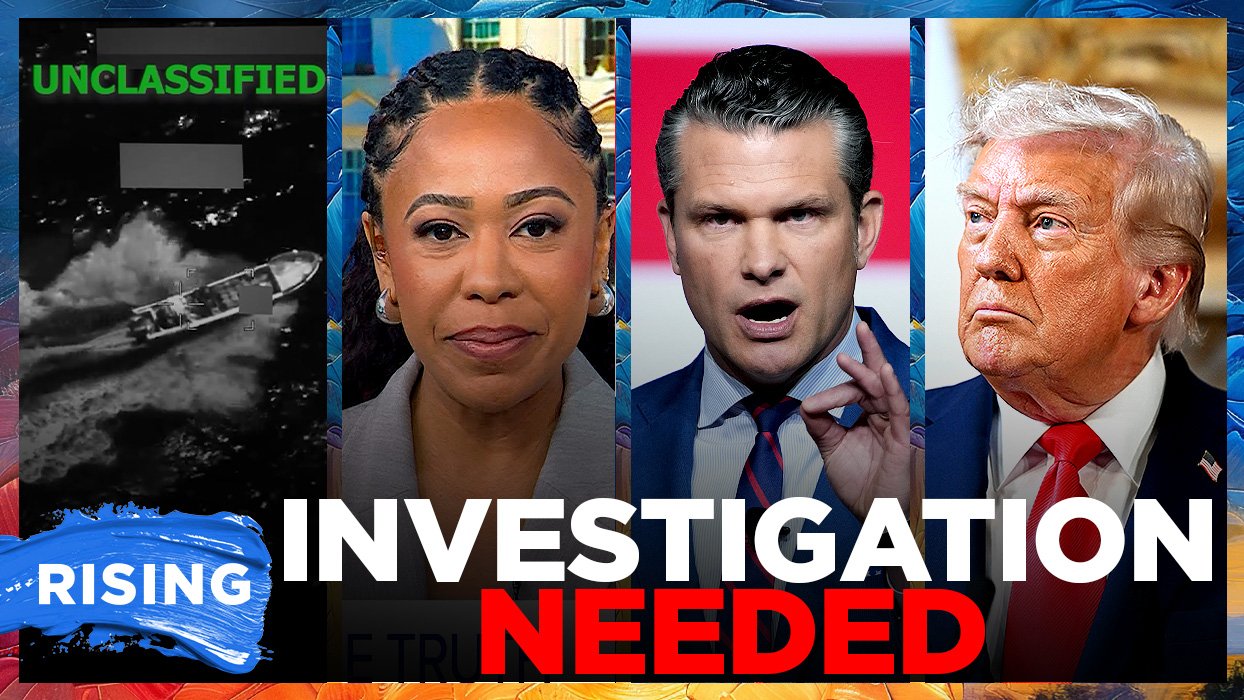
The assassination of an Ecuadorian prosecutor who was investigating allegations that U.S. forces attacked civilian fishing boats has reignited calls for congressional oversight of a controversial military campaign. Alexandra Bravo, who was probing claims that U.S. personnel struck three Ecuadorian fishing vessels earlier this year, was shot dead in June alongside her sister in what police describe as a targeted hit by a gunman on a black motorcycle.
Bravo's murder, first reported by Drop Site News, has drawn attention to a broader pattern of violence against judicial officials in Ecuador. Human rights attorneys note that dozens of prosecutors have been killed in recent years, often when probing powerful interests. However, Ecuadorian authorities have not publicly linked Bravo's death to her investigation, and the motive remains under investigation.
Allegations of U.S. involvement
The underlying allegations are serious. Survivors told Drop Site that drones struck their fishing boats before armed English-speaking men in U.S.-style military uniforms detained them for days. The report includes satellite imagery, eyewitness accounts, and vessel-tracking data that its authors say corroborate the claims of abduction and torture. Some fishermen remain missing.
The Pentagon, U.S. Southern Command, and the Coast Guard have all denied any involvement in the attacks. The Coast Guard acknowledges conducting search-and-rescue operations in the area but disputes the fishermen's accounts. Drop Site argues that its evidence—including Coast Guard tracking data—raises enough questions to challenge those denials and justify an independent investigation.
These allegations come amid a broader debate over U.S. maritime interdiction efforts. The Washington Post recently reported that Operation Southern Spear, a campaign targeting drug trafficking, has carried out at least 67 boat strikes since September, killing at least 221 people. Internal DEA assessments obtained by the Post indicate the campaign has not significantly reduced cocaine supplies, despite President Trump's public claims of near-elimination. Pentagon officials have privately acknowledged to lawmakers that the strikes are “probably not the most effective tool.”
Calls for transparency
Illinois Congressman Chuy García has called for an independent investigation, writing on X: “For almost a year, the U.S. government has been illegally bombing fishing boats and killing people without evidence of wrongdoing. And last month, Alexandra Bravo, the Ecuadorian prosecutor investigating boats that were attacked or disappeared, was murdered. This is not a coincidence.”
The twin investigations—into Bravo's murder and the effectiveness of Operation Southern Spear—raise fundamental questions about accountability. If U.S. forces are operating overseas, Americans deserve to know whether those operations are lawful under international law and whether innocent civilians are being harmed. The lack of verified public information creates space for speculation and mistrust, and Congress has yet to demand full answers.
As the Trump administration pauses strikes on Iran and faces scrutiny over war costs, the allegations in Ecuador underscore a pattern of military action outside declared battlefields. Without a thorough investigation, the gap between official denials and survivor testimony will only widen.