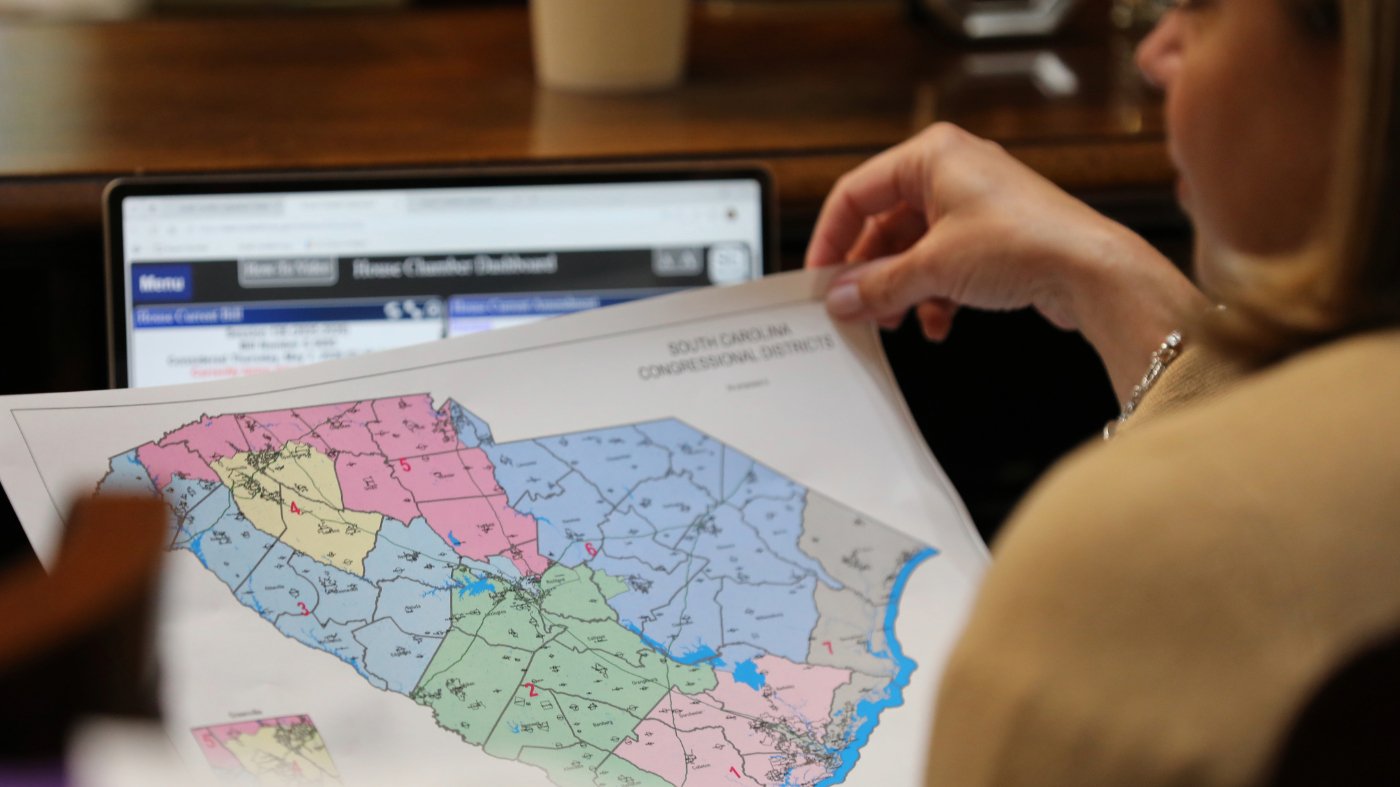
The 2026 redistricting cycle has exposed a broken system. While many call for nonpartisan redistricting commissions as a fix, the evidence shows that even those can produce biased maps. The real solution, some argue, is to abandon single-member districts altogether and adopt proportional representation.
Why Nonpartisan Commissions Fall Short
Nonpartisan commissions are an improvement over letting politicians draw lines, but they still suffer from demographic sorting. Democrats and minorities cluster in cities; Republicans dominate elsewhere. Drawing equal-population districts under those conditions inevitably creates what scholars call “unintentional gerrymandering,” often hurting Democrats. Commissions have also been struck down for illegal gerrymandering in some cases, revealing that bias can persist even with well-intentioned members.

The Proportional Alternative
Under winner-take-all, 51% of the vote gets 100% of the power. Proportional representation ensures that a group with 30% support gets roughly 30% of seats. This system is standard in most industrialized democracies and is already used in U.S. cities like Minneapolis, Portland, and Amherst, Massachusetts, through a ranked-choice voting method called single transferable vote (STV).
STV lets voters rank candidates in multi-member districts. If a candidate wins enough votes to claim a seat, their surplus votes are transferred to others based on second choices. Weakest candidates are eliminated and their votes redistributed. This continues until all seats are filled, producing outcomes that better reflect the electorate’s diversity.
Fair Representation Act Shows a Path
The Fair Representation Act, pending in Congress, would apply STV to the U.S. House. States with five or fewer seats would elect members at-large, eliminating districts entirely. Larger states would be divided into a few multimember districts, each electing three to five representatives. That makes gerrymandering mathematically harder: drawing three large districts is far less prone to manipulation than 15 small ones.
Such a system would help both parties where they are weak—Democrats in Mississippi, Republicans in Massachusetts. It also eliminates the spoiler effect: a vote for a third-party candidate isn’t wasted, as it can transfer to a second choice. That could boost turnout and open the door for lesser-known candidates.
If Democrats retake Congress, redistricting reform should be a top priority. The current demographic sorting favors Republicans in single-member districts, and without structural change, the number of competitive seats will keep shrinking. Proportional representation offers a permanent end to the redistricting wars.
For more on how redistricting battles are reshaping races, see Redistricting Chaos in Southern States Reshapes Congressional Races and Rove Downplays Democrats' Polling Edge, Says GOP Redistricting Helps.