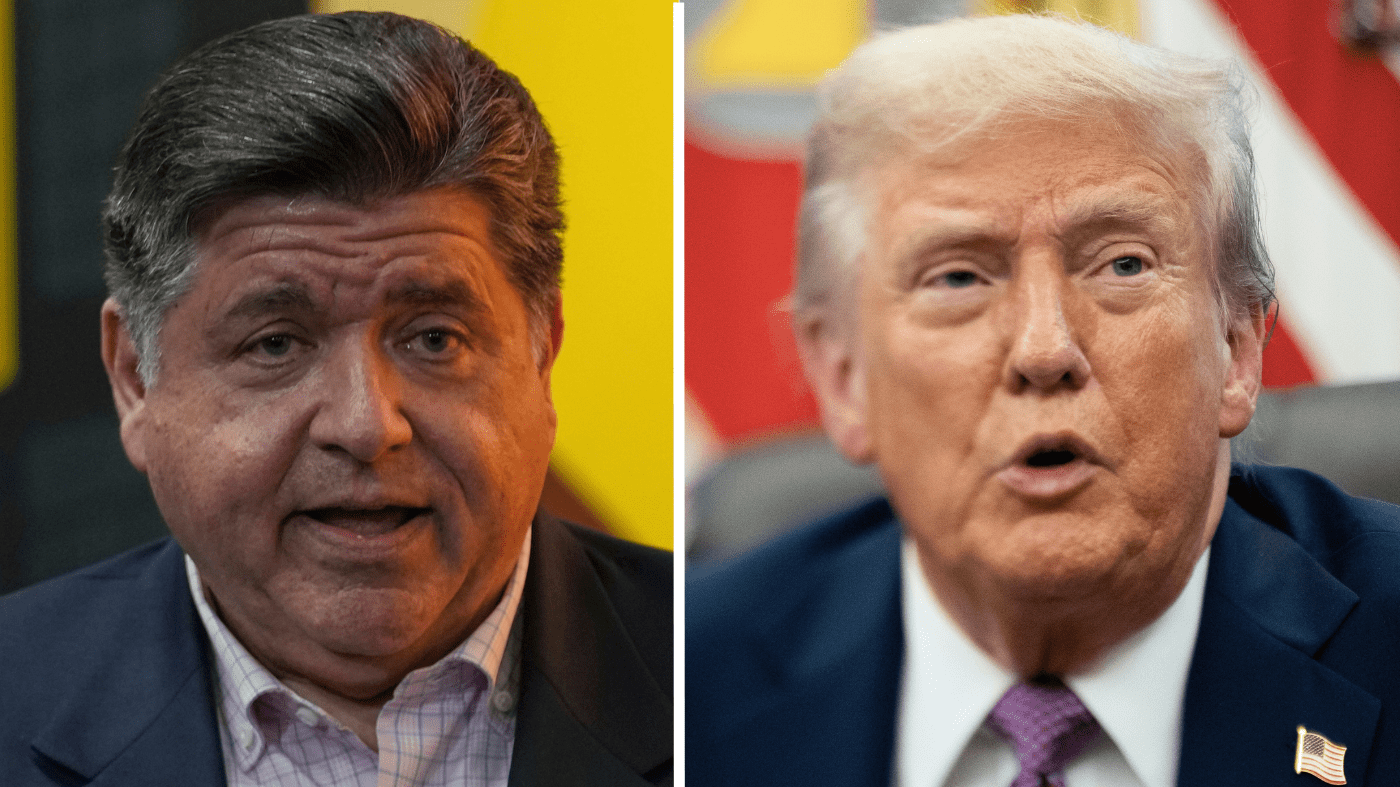
Illinois Governor JB Pritzker delivered a sharp rebuke of President Trump on Tuesday, charging that the president has cultivated a political climate where violence is tacitly endorsed. In an interview with Politico’s Jonathan Martin, the Democratic governor did not mince words, stating that Trump’s rhetoric has set a dangerous precedent.
“Look, our leaders set the tone in this country, and I think that the President of the United States has set a tone where political violence is OK,” Pritzker said. “He’s advocated it himself before. It’s a terrible thing.” The governor’s comments come amid a broader national debate over the rise in threats against public officials.
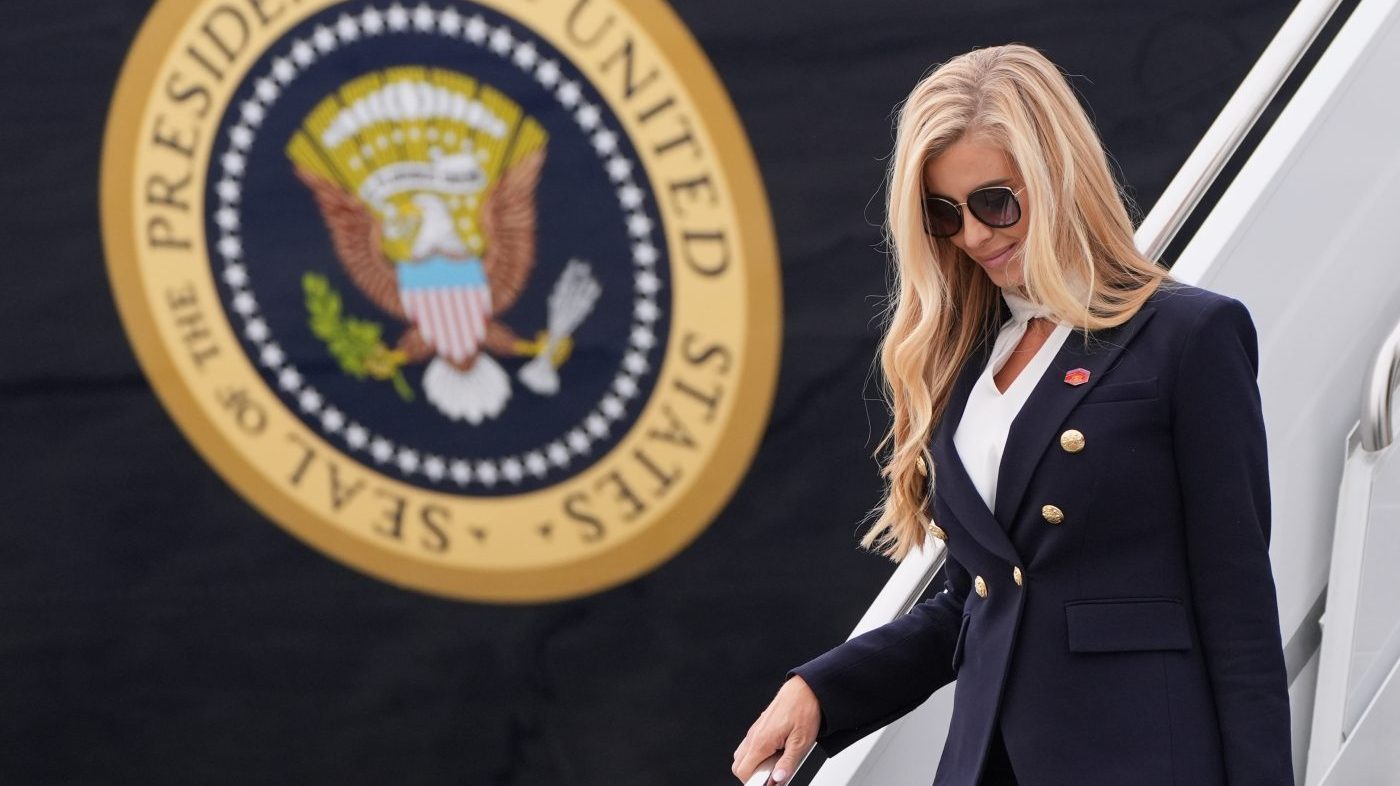
The White House pushed back swiftly. Spokesperson Abigail Jackson issued a statement defending Trump, noting his personal experience with assassination attempts. “As the survivor of multiple assassination attempts — and watching his dear friend Charlie [Kirk] be assassinated last year — no one understands the dangers of political violence more than President Trump,” Jackson said. She also accused Democrats of inflammatory language, claiming they “smear their opponents as Nazis, fascists, and more.”
Pritzker acknowledged that Trump has faced real threats, including a foiled assassination plot at the White House Correspondents’ Association dinner, a shooting at a 2024 campaign rally in Butler, Pennsylvania, and two planned attacks in West Palm Beach, Florida, during his second term. “He’s experienced the other side,” the governor conceded. But Pritzker insisted that accountability starts at the top. “We need to be speaking out against political violence,” he said. “I’m a big believer in it’s OK to disagree but not be disagreeable.”
The escalation in threats is not limited to the presidency. Capitol Police reported a nearly 58 percent increase in 2025 in threats against lawmakers, their families, staff, and the Capitol complex. Pritzker revealed that he and his family have also faced a surge in threats, many tied to their Jewish faith. “I don’t want to overstate it, but it’s true,” he said, noting the volume is “more than it was in years before.”
The exchange underscores a deepening partisan rift over political violence, with each side accusing the other of stoking tensions. As the 2028 campaign cycle looms, Pritzker’s critique fits into a broader pattern of Democratic governors positioning themselves against Trump’s influence. Pritzker has also questioned centrist strategies within his own party, signaling his ambition to reshape the Democratic message.
Meanwhile, the Trump administration continues to face scrutiny over its policies and personnel. The president’s purge of immigration judges has raised due process concerns, while congressional inaction has enabled what critics call a potentially illegal Iran war. These controversies add fuel to the broader debate over executive power and accountability.
Pritzker’s interview serves as a stark reminder that the issue of political violence remains a flashpoint, with no clear resolution in sight. As threats mount, the question of who bears responsibility—and how to break the cycle—grows more urgent.