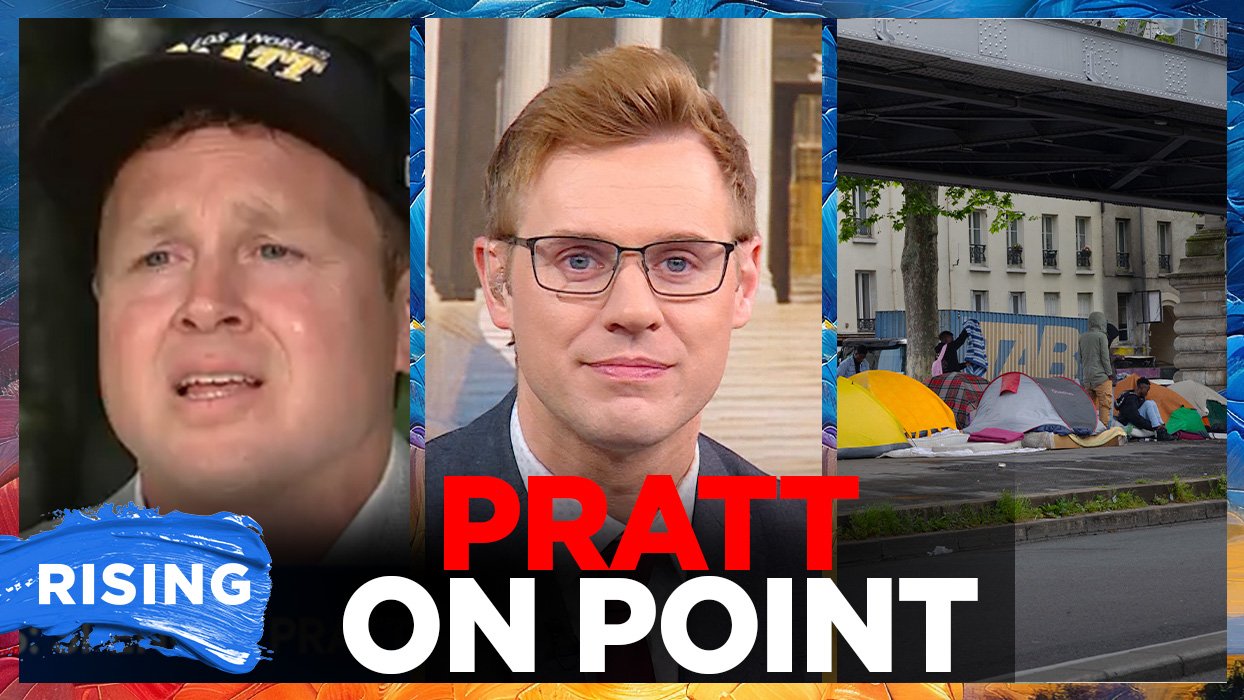
The Los Angeles mayoral contest is intensifying as outsider candidate Spencer Pratt gains momentum on social media with pointed ads that highlight failures under incumbent Mayor Karen Bass. Even skeptical mainstream outlets are taking note of Pratt's grasp of the city's most intractable problems.
In a striking exchange with a local reporter, Pratt corrected what he calls a widespread misconception: LA's homeless crisis is not fundamentally about a lack of housing. Instead, he argued, the core issue is untreated drug addiction and mental illness among a large portion of the unsheltered population.
Pratt's argument is blunt: taxpayers already spend millions on shelters and services, yet the streets remain crowded. He contends that many homeless individuals actively avoid shelters because those facilities prohibit drug use and violence. The streets, he says, offer freedom to use drugs, play loud music, and engage in antisocial behavior without constraints.
This critique directly challenges the progressive “housing first” model, which prioritizes placing people in permanent housing without preconditions. Pratt insists that approach has failed repeatedly, citing cases where homeless individuals given housing turn it into drug dens and destroy the property.
“The problem is that these people are not looking for shelter in a facility,” Pratt explained. “They are in the grips of a terrible illness that has convinced them this is how they prefer to live.” He argues that until addiction is treated, housing alone is futile.
Pratt's solution involves a law enforcement-driven strategy: clear encampments, compel individuals into treatment facilities—coercively if necessary—and only after they are clean and in recovery, provide housing. “There’s no point skipping to this step unless we make them go through treatment,” he said.
The candidate's stance has resonated with voters frustrated by visible homelessness and rising crime. It also aligns with a broader pushback against progressive policies in cities across the country. The primary election is just one week away.
Critics, however, warn that coercive treatment raises civil liberties concerns and that insufficient funding for voluntary programs is a major obstacle. The debate mirrors national tensions over how to address the intertwined crises of homelessness and addiction, which have strained urban budgets and public patience.
Pratt's rise underscores a pivotal moment in LA politics, as the city grapples with the limits of liberal governance. Whether his diagnosis—and prescription—can win at the ballot box remains to be seen, but he has already forced a recalibration of the conversation.