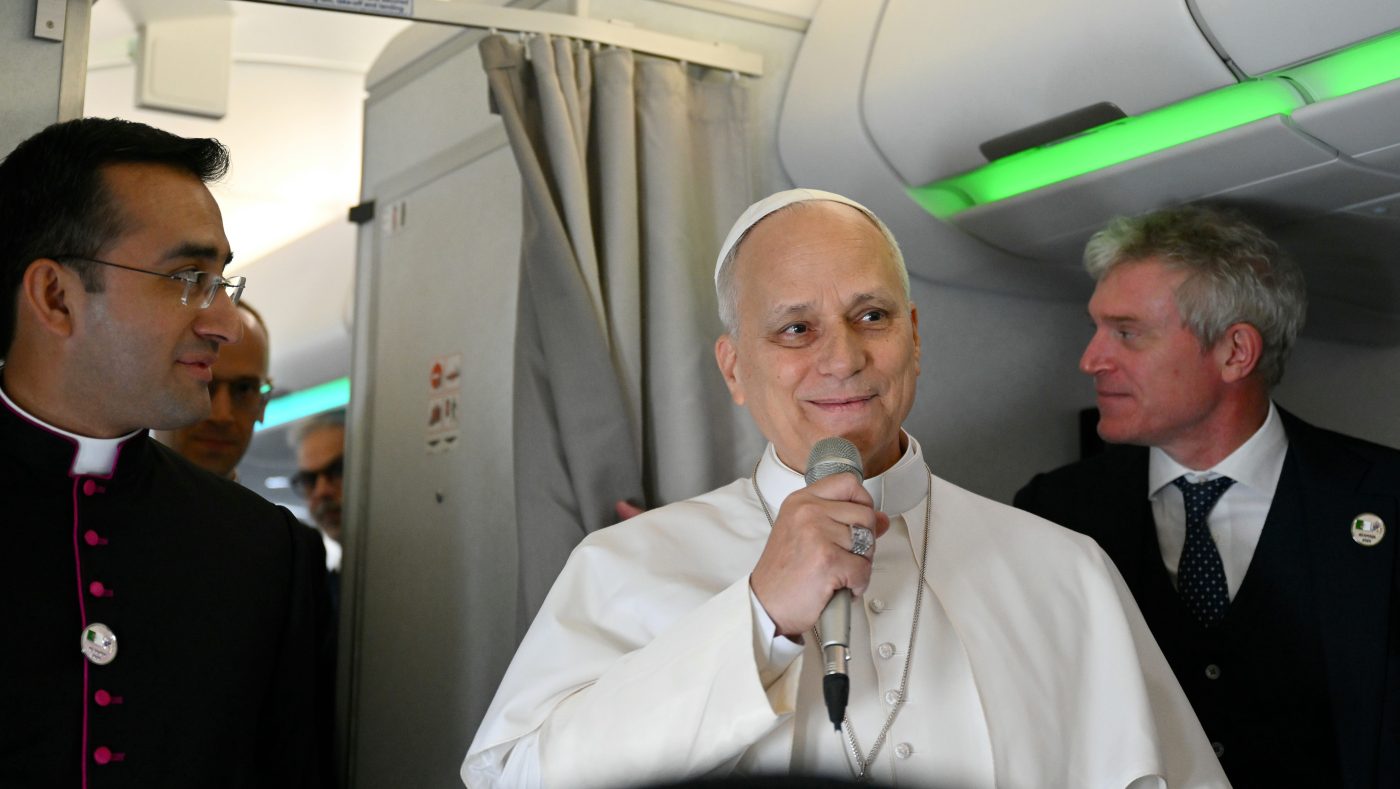
Pope Leo XIV on Wednesday morning offered a strong endorsement of the new agreement between the United States and Iran, which brings an end to the conflict between the two nations. In a statement posted on X, the pontiff expressed hope that the deal would bolster “mutual trust, security, and stability in the Middle East.”
“I welcome with satisfaction the reaching of an agreement between the Islamic Republic of Iran and the United States of America, which will be signed on Friday, as an encouraging result of patient work in dialogue and negotiation,” the pope wrote.
He went on to thank the countries that facilitated talks between the parties, adding, “I hope that the agreement may help strengthen mutual trust, security, and stability in the Middle East, promoting paths of dialogue and cooperation among peoples.”
The breakthrough came after three months of on-again, off-again fighting that devastated the region, strained the global economy, and sent oil and gas prices soaring. President Trump announced the deal last weekend, marking a significant diplomatic achievement for his administration.
Trump has said the full text of the agreement will not be released until it is signed in person by Washington and Tehran at the end of the week. However, multiple news outlets have reported obtaining a 14-point memorandum of understanding (MOU). On Wednesday morning, White House communications director Steven Cheung pushed back, saying the reported text “does not reflect the language of the actual MOU.”
According to the leaked version, key provisions include an end to hostilities on “all fronts,” including in Lebanon, where Israel has been conducting operations against Hezbollah. Both sides also agreed to restore shipping through the Strait of Hormuz to prewar levels within 30 days of signing—a move that could stabilize energy markets and ease global supply chain disruptions.
The pope’s endorsement adds a moral dimension to a deal that has already drawn praise from some world leaders and skepticism from others. His call for dialogue and cooperation echoes broader Vatican priorities in conflict resolution, particularly in regions with significant Christian populations.
The agreement comes amid other geopolitical flashpoints, including ongoing debates over maritime security. Critics have pointed to Trump's rejection of the Law of the Sea as a potential obstacle to long-term stability in the region. Meanwhile, the White House has framed the deal as a victory for diplomacy over military confrontation.
If implemented as outlined, the MOU could reshape the strategic landscape of the Middle East, reducing the risk of a broader war and potentially opening the door for renewed negotiations on Iran’s nuclear program. For now, the world watches as Washington and Tehran prepare to sign the agreement on Friday.