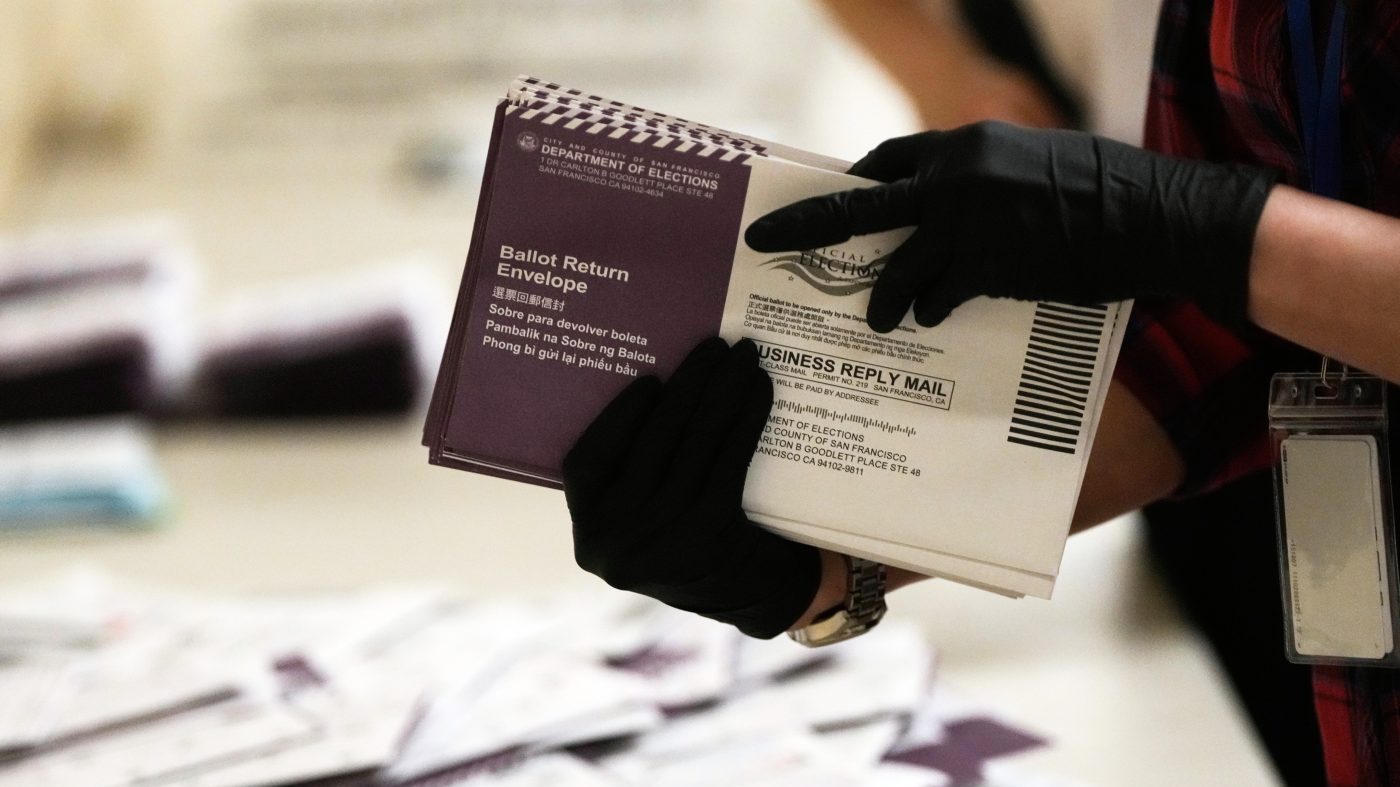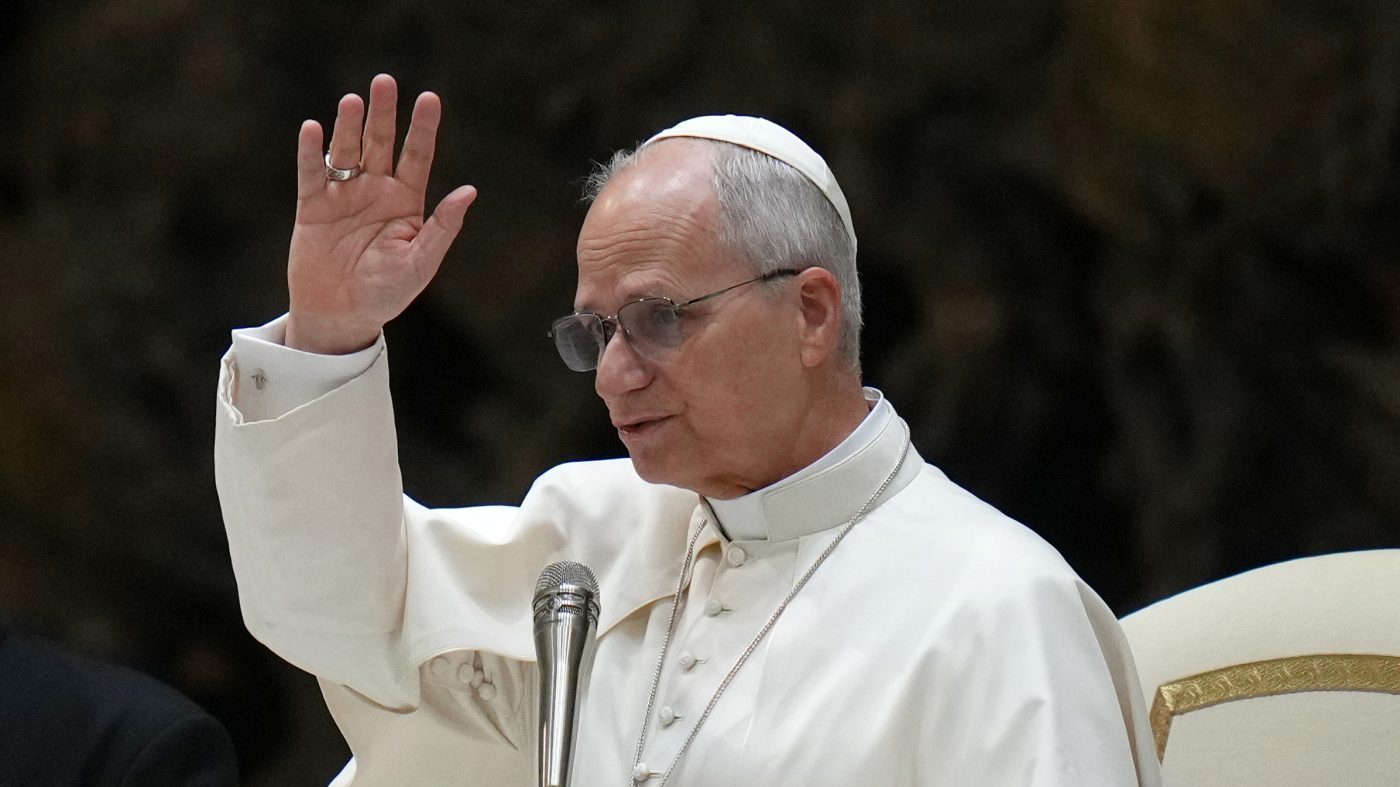
The Vatican confirmed Friday that Pope Leo XIV, born Robert Prevost in Chicago, has voted in the upcoming US midterm elections via mail-in ballot, marking the first time a pontiff has participated in an American general election.
The Holy See press office stated that Leo, who has maintained his US citizenship, "has exercised his right to vote as a United States citizen" and has done so "whenever he was eligible." The statement also noted that he voted while living in Peru when eligible, underscoring his commitment to civic duty.
"The Holy Father expresses his belief in the right and the duty of citizens to participate in democratic processes," the Vatican added.
The Chicago Sun-Times first reported the vote, quoting the chief of staff at the Will County clerk's office. Leo, registered at an address in New Lenox, Illinois, requested a mail-in ballot on October 3. The method of return remains undisclosed, though his brother, John Prevost, was in Rome this week with parishioners from St. Jude's, an Augustinian parish in New Lenox where Leo has ties.
Illinois State Board of Elections records show that since 2000, Prevost has voted in five primary elections, requesting Democratic ballots twice and Republican ballots three times. He voted in Democratic primaries in 2008 and 2010 while registered in Cook County, then switched to Republican ballots in 2012, 2014, and 2016 after moving to Will County. The records do not reveal his candidate choices, as Illinois does not require party declaration for general elections.
Leo's voting history reflects his long-standing engagement with American politics, a rarity for a pope. His participation in this year's midterms comes amid heightened political tensions, with races that could shift control of Congress. The pope's action may resonate with Catholic voters, many of whom are weighing issues like abortion, immigration, and economic policy.
This historic vote also draws attention to the broader context of election integrity debates, as seen in recent controversies such as Alaska's GOP administration seeking dismissal of a DOJ election lawsuit and warnings about certification halts in Alaska. While those disputes involve state-level issues, the pope's ballot adds a symbolic layer to the democratic process.
Leo's decision to vote may also influence perceptions of the Church's role in civic life. As a pontiff with American roots, his example could encourage greater political participation among Catholics, aligning with his stated belief in the duty of citizens to engage in democracy.
The Vatican's confirmation comes just days before the election, with early voting already underway across many states. The pope's ballot, cast from Rome, will be counted alongside millions of others, a testament to the enduring reach of American democracy.