A sweeping new CNN poll released Tuesday shows that a vast majority of Americans hold President Trump responsible for the rising cost of living, with 77 percent of U.S. adults saying his policies have driven up expenses in their communities. Only 8 percent reported a decrease, while 16 percent saw no effect.
The survey, conducted from April 30 to May 4 among 1,499 adults, underscores the political peril for the White House as inflation ticks up. The Labor Department reported Tuesday that inflation reached 3.8 percent in April, with a 0.6 percent monthly spike fueled largely by energy costs tied to the ongoing Iran war.
Iran Conflict, Tariffs Top Voter Concerns
When asked which specific policies have hurt their finances, 75 percent of respondents cited the Iran war, followed by 65 percent for Trump's tariffs, 46 percent for artificial intelligence technology, and 41 percent for changes to tax laws. The findings come as Trump lands in Beijing for a critical summit with Chinese President Xi Jinping, where trade and Iran tensions are expected to dominate.
Affordability is shaping up to be a central issue in the midterm elections, with Democrats aiming to reclaim the House by hammering economic messaging. However, the poll reveals a split electorate: 57 percent of respondents said non-economic issues matter at least as much, and 49 percent expect their financial situation to stay the same regardless of the outcome, while 50 percent anticipate a major impact.
Gas Prices Squeeze Low-Income Households
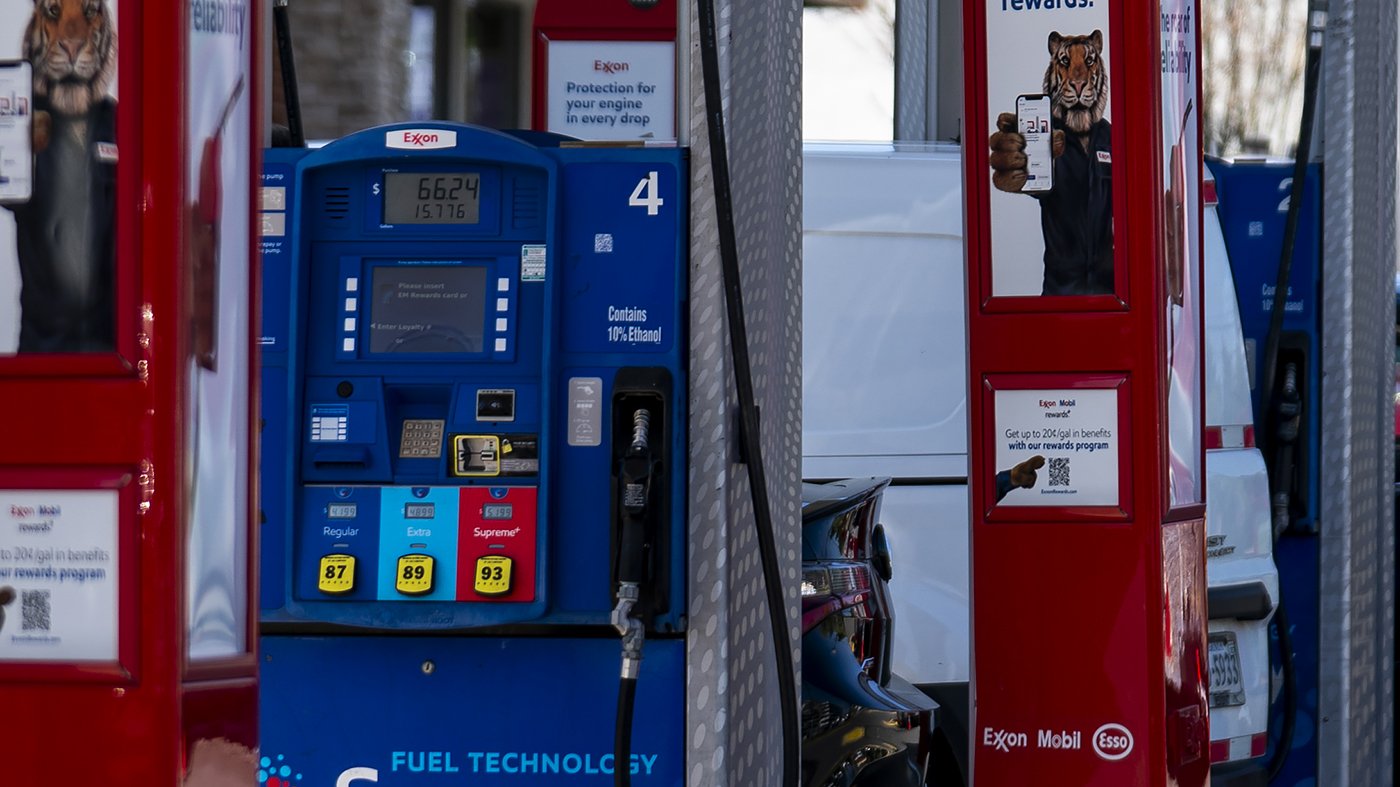
The Iran war has strained global energy markets, pushing the average U.S. gas price to just above $4.50 per gallon on Wednesday, up from roughly $3.16 a year ago, according to AAA. A New York Federal Reserve analysis published last week highlights the disproportionate burden on low-income families. Households earning under $40,000 a year increased their spending the least among all income groups, the report found.
“Higher-income households have reduced real gas consumption only modestly and increased gasoline spending considerably compared with 2023,” the Fed researchers wrote. “In contrast, lower-income households increased spending by much less and decreased real consumption by much more, potentially by carpooling or substituting to public transit where available.”
The administration has sought to downplay these strains as temporary wartime pains. “As soon as this is over, you’re going to see gasoline and oil drop like a rock,” Trump told reporters in the Oval Office on Monday. Yet the poll suggests voters remain skeptical, with the margin of error at approximately 2.8 percentage points.
The political stakes are high as Trump pushes for a diplomatic resolution in Beijing. Analysts note that Trump is betting on China to help end the Iran war and rescue the economy, but the poll data indicates that for many Americans, the cost-of-living crisis is already a defining issue heading into the midterms.