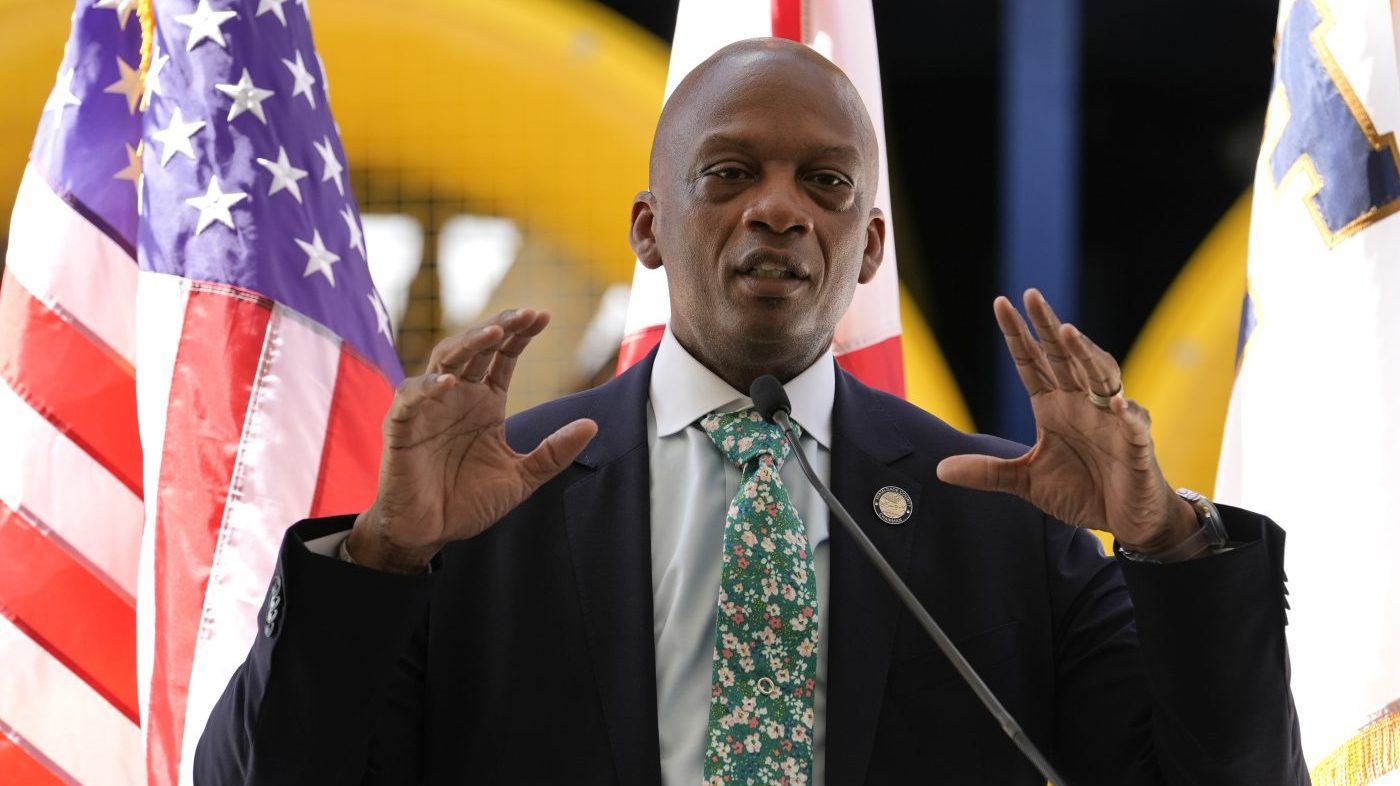
In one of the most closely watched Senate contests of the 2026 cycle, former Rep. Mary Peltola (D) is attempting to reclaim a seat in Congress, squaring off against two-term Republican incumbent Dan Sullivan in Alaska's ranked-choice general election.
The state's unique voting system allowed the top four primary finishers to advance, with Peltola and Sullivan joined by two lesser-known candidates: unaffiliated Daniel J. Sullivan and Republican Gerald Heikes. Peltola led the August primary with 49.5 percent of the vote, while the sitting senator trailed at 41.4 percent.
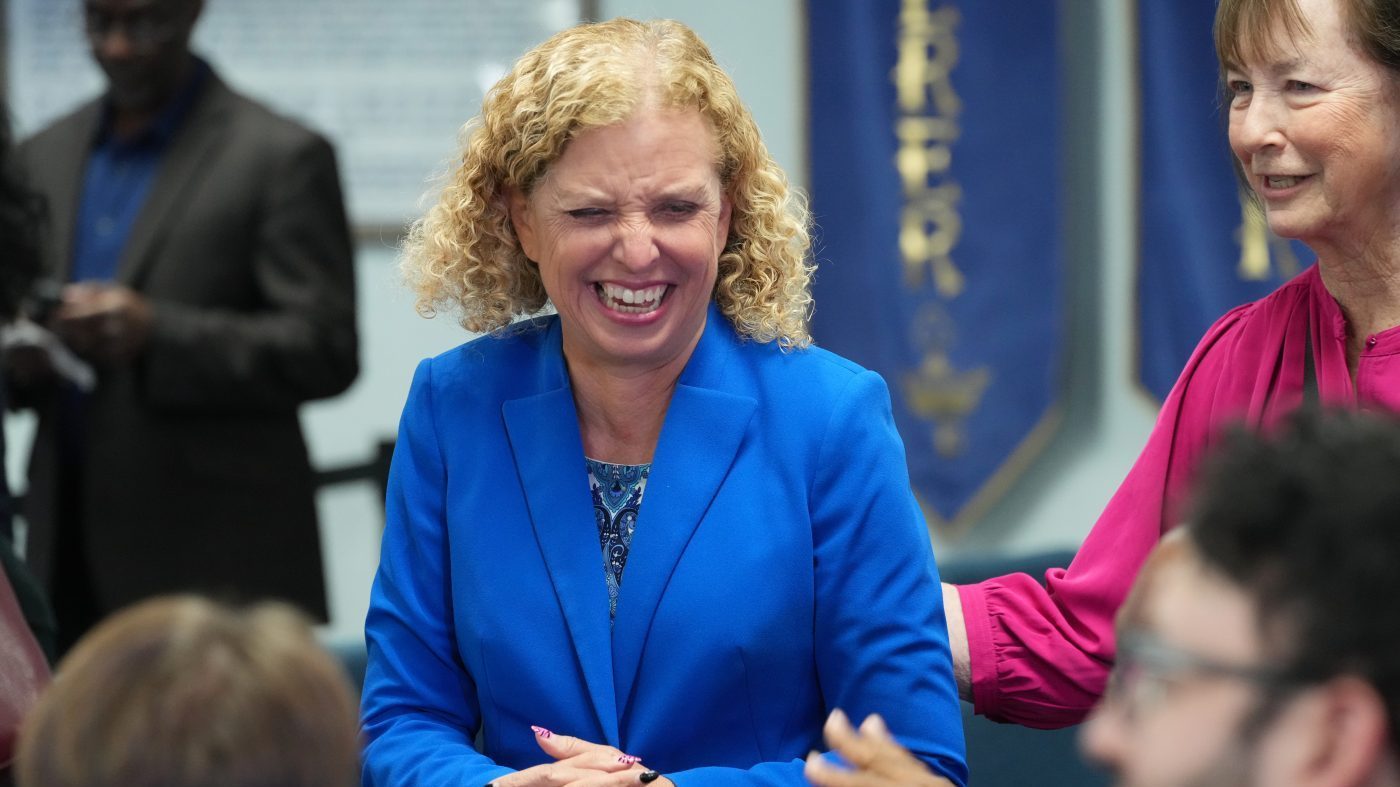
Peltola, who served as Alaska's sole U.S. House member from 2022 to 2025 after winning a special election to replace the late Rep. Don Young (R), is now seeking a Senate seat. Sullivan, a former state attorney general and natural resources commissioner, has held his Senate position since 2015 and is pursuing a third term.
The race took a legal twist when Alaska Republicans attempted to have Daniel J. Sullivan removed from the ballot, alleging that Democrats had recruited him as a spoiler to siphon votes away from the incumbent. The lesser-known Sullivan, however, successfully challenged the effort and remains in the running, a development that could reshape the ranked-choice calculus.
Ranked-choice voting means that if no candidate secures a majority on the first tally, the lowest finisher is eliminated and their supporters' second choices are redistributed. This system, which Alaska adopted in 2020, has already produced dramatic upsets and is expected to keep the outcome uncertain until all rounds are counted. Polls close at 1 a.m. EST, but final results may not be known for days as mail-in ballots are processed.
Political analysts point to Peltola's strong primary performance as evidence of her appeal across party lines, but Sullivan's incumbency and the state's Republican lean give him a structural advantage. The presence of two candidates named Sullivan could confuse some voters, though the ranked-choice format mitigates the spoiler effect by allowing voters to rank their preferences.
Beyond the Senate race, Alaska is also holding a four-way ranked-choice gubernatorial contest, and national groups are pouring resources into the state. The GOP has already set aside funds for a potential recount, signaling that the race could be decided by a razor-thin margin.
Election monitoring is also in the spotlight, with the Justice Department deploying a record number of observers across all 50 states, including Alaska, to ensure ballot integrity. This unprecedented federal presence underscores the high stakes of this year's midterm elections.
As the count unfolds, both campaigns are bracing for a long night and possibly a lengthy legal fight. With ranked-choice voting, the final outcome may hinge on the second and third choices of voters who backed the eliminated candidates, making every ballot critical in determining who represents The Last Frontier in Washington.