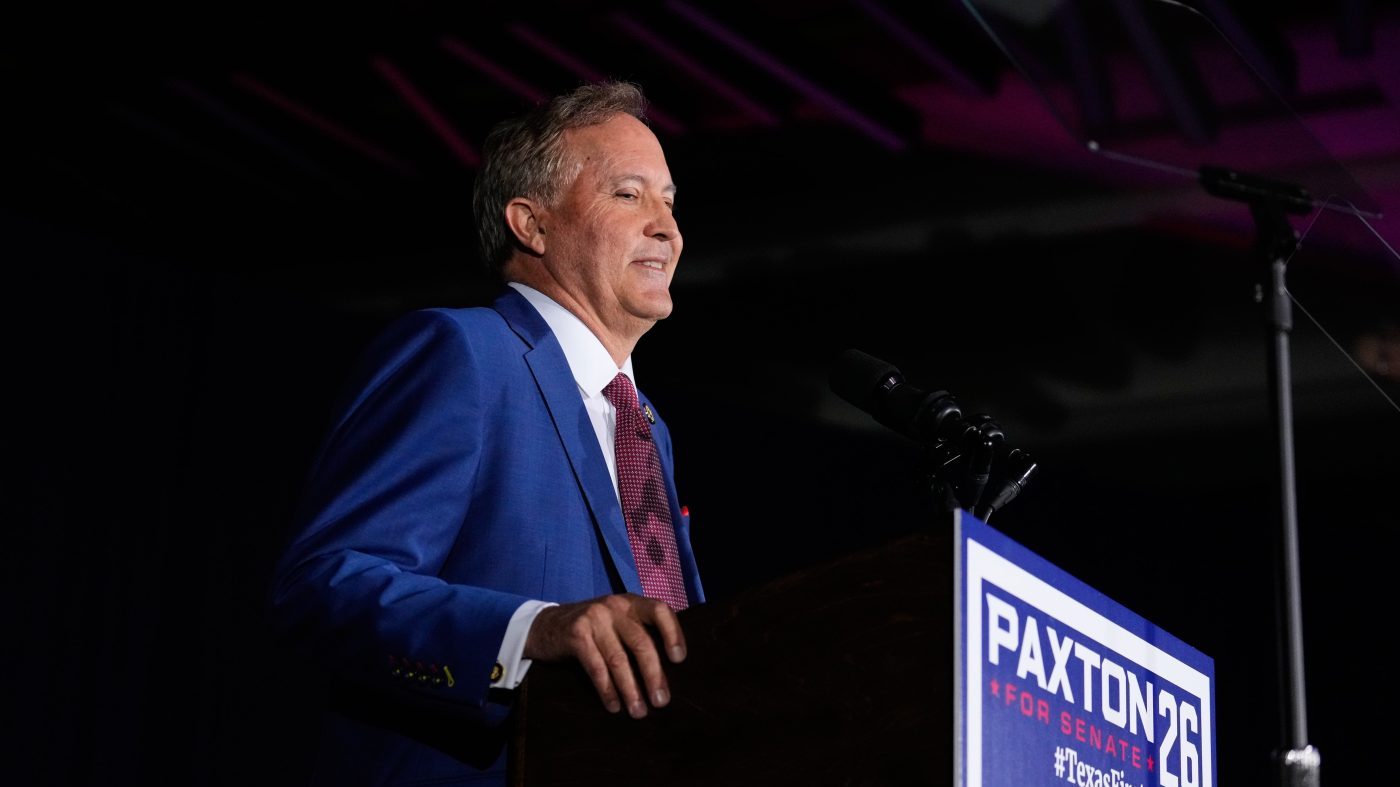
Texas Attorney General Ken Paxton, a Republican candidate for governor, has put the Big 12 Conference on notice: any school that moves to sanction Texas Tech over its decision to play quarterback Brendan Sorsby could face a state lawsuit. In a sharply worded letter to Big 12 Commissioner Brett Yormark and Kansas Chancellor Douglas Girod, Paxton argued that such punitive actions would amount to a “per se violation of federal and state antitrust laws.”
“It would be a naked horizontal agreement among competitors to disadvantage Texas Tech by cutting off access to the resources it needs to compete,” Paxton wrote, according to the Associated Press. The warning comes amid reports that some Big 12 member institutions are considering refusing to take the field against Texas Tech if Sorsby plays.

Sorsby, a high-profile transfer quarterback, was suspended by the NCAA after admitting to betting thousands of dollars on multiple sports, including college football games involving teams he played for earlier in his career. The NCAA’s gambling policy violations triggered the suspension, but Sorsby has since completed a rehabilitation program for gambling addiction and sued the NCAA to regain his eligibility. His legal team argues that playing football is essential to his recovery process.
A federal judge recently ruled in Sorsby’s favor, reinstating him with the condition that he miss the first two games of the season. The NCAA has criticized the ruling and pointed to Sorsby’s case as it pushes Congress to pass legislation granting the organization antitrust exemptions, which it says would help enforce rules on eligibility, name-image-likeness deals, and revenue sharing.
Paxton’s letter escalates the dispute by framing any potential boycott or sanction as both a breach of contract and tortious interference. The Texas government argues that such collective action by Big 12 schools would illegally disadvantage Texas Tech in competition. The situation mirrors broader tensions between state officials and the NCAA over athlete eligibility and enforcement powers.
This is not the first time Texas has waded into NCAA-related legal battles. The state has previously supported athletes challenging the NCAA’s transfer and eligibility rules, and Paxton’s gubernatorial campaign adds a political dimension to the fight. The Big 12 has not yet responded publicly to the letter, but the conference could face significant legal exposure if any member school follows through on threats to boycott Texas Tech.
The case also highlights ongoing debates about gambling in college sports, as more states legalize sports betting and athletes face stricter conduct rules. Sorsby’s rehabilitation and reinstation have drawn attention to the NCAA’s handling of addiction issues, with some advocates arguing for more compassionate policies. Meanwhile, the NCAA continues to lobby Congress for antitrust protections, a push that has stalled amid broader disagreements over athlete compensation.
For now, all eyes are on the Big 12’s next move. If schools proceed with sanctions, Texas is prepared to sue—a move that could set a precedent for how state attorneys general use antitrust law to challenge NCAA enforcement actions.