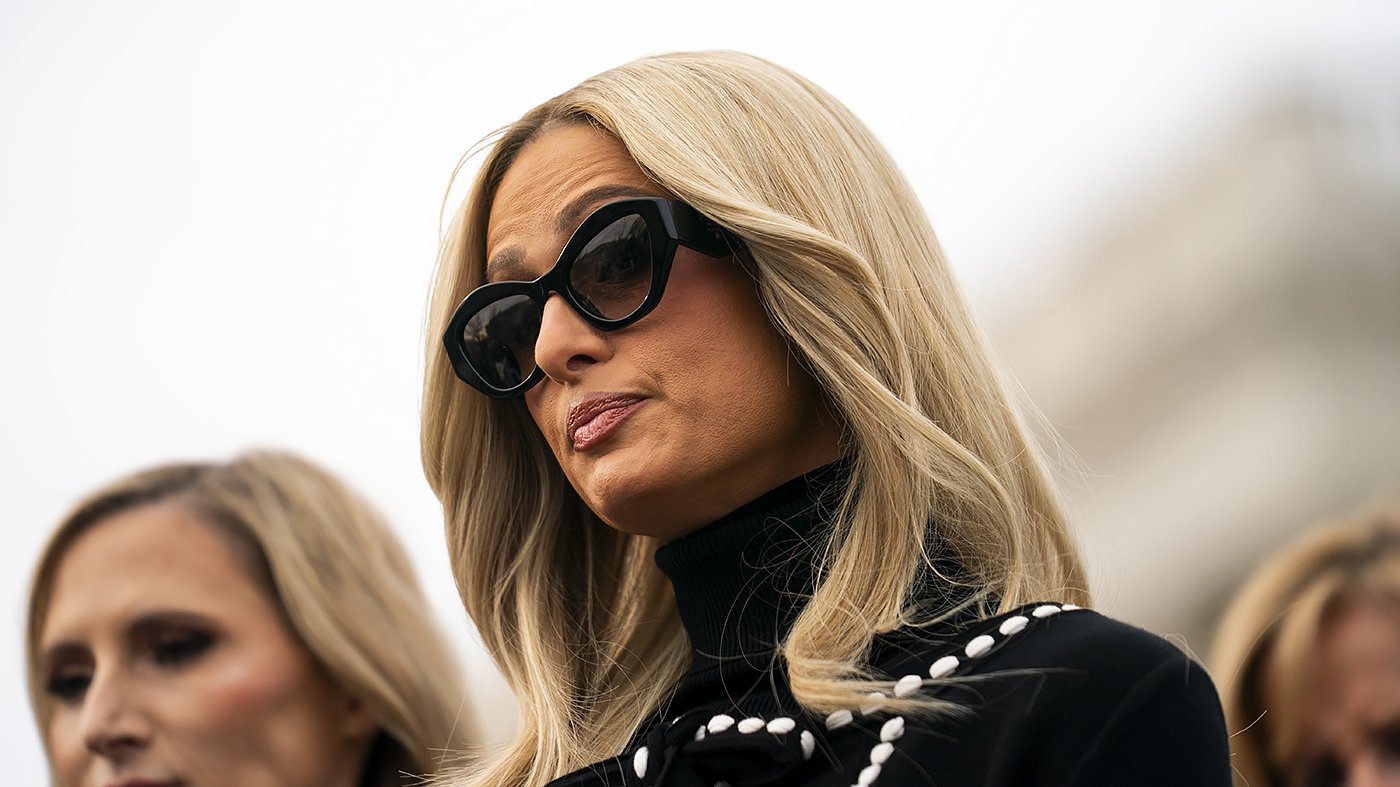
Paris Hilton is leveraging her celebrity platform to expose the growing menace of explicit AI-generated images, calling the technology a threat that can destroy lives. In an exclusive interview, the hotel heiress and media mogul warned that “people can just take a photo — a family photo, a Christmas photo, anything — and literally turn it into an explicit image or video.”
Her new true crime docuseries, “Searching for Mr. Deepfakes,” debuted exclusively on her TikTok channel, a deliberate choice to reach a younger audience that might skip a traditional documentary. The series follows tech journalist Laurie Segall as she investigates the anonymous owner of Mr. Deepfakes, a website hosting thousands of AI-generated pornographic videos of women without their consent.
How the Investigation Unfolded
Segall, CEO of Mostly Human Media, said she received a tip about the site and was horrified by what she found. “There were thousands of videos of women — AI-generated but who didn’t consent — doing sexual, graphic things they had never done,” she recalled. Hilton’s own image was among those used, but the victims were not limited to celebrities. Segall noted that the site’s definition of “public women” was alarmingly broad. “I just remember looking at this and saying, ‘How on earth does this exist?’” she said.
Victims were left with no recourse because the site’s owner operated anonymously. “There was nothing these women could do,” Segall added.
A Personal Crusade
For Hilton, the issue is deeply personal. In 2003, an intimate video of her was leaked online without her consent. “It took me 20 years to be able to speak about it out loud,” she said, describing the trauma and shame that followed. “As a 19-year-old teenager when this happened, there was no technology to even describe it. There were no laws to protect me.”
That experience has driven her to become a leading advocate for federal legislation targeting nonconsensual deepfakes. She has made multiple trips to Capitol Hill, uniting lawmakers across the aisle. In January, she championed the Disrupt Explicit Forged Images and Non-Consensual Edits Act, which would allow victims to sue those who produce or distribute AI-generated deepfake pornography. She also pointed to the Take It Down Act, signed into law last year by President Trump, which imposes stricter penalties for distributing nonconsensual intimate images and AI deepfakes.
“I’ve helped pass three federal bills and 16 state laws to protect children, and I really feel that this is my true purpose in life and my legacy,” Hilton said. “That’s why I keep coming back to D.C. all the time, because I know when I come there, I really can make a huge difference in people’s lives.”
Legislative Push Faces Skepticism
Segall said proponents initially faced an uphill battle because many dismissed the abuse as unreal. “People would say, ‘Oh, but the images aren’t real. It doesn’t matter,’” she recalled. Yet the impact on victims has been devastating. “I had one woman tell me it ruined her life. She literally walked up to her rooftop and considered ending her life. Another woman said it impacted the way she walked in the world — she didn’t trust anybody anymore.”
Segall emphasized that “this digital abuse was real abuse,” and that cultural and legal changes are needed to “catch up with the technology and the impact.”
Hilton’s Political Influence
Hilton’s lobbying effectiveness has drawn notice. Asked how she gets so much done in Washington, she replied, “When I go in there, I’m going as myself with someone with lived experience, and I also bring other survivors. I make sure that I let everyone know and I let the whole entire world know, so it’s something that they cannot ignore.”
She noted that while others have struggled for years to pass bills, she has succeeded quickly. When asked about critics who say celebrities should stay out of politics, Hilton said it “depends on the situation,” but her focus remains on turning her own trauma into policy change. As the California governor’s race heats up, Hilton’s advocacy has also put her in the political spotlight, with recent polls showing her in a tight contest with Attorney General Xavier Becerra. Her work on deepfake legislation is a key part of her public profile.