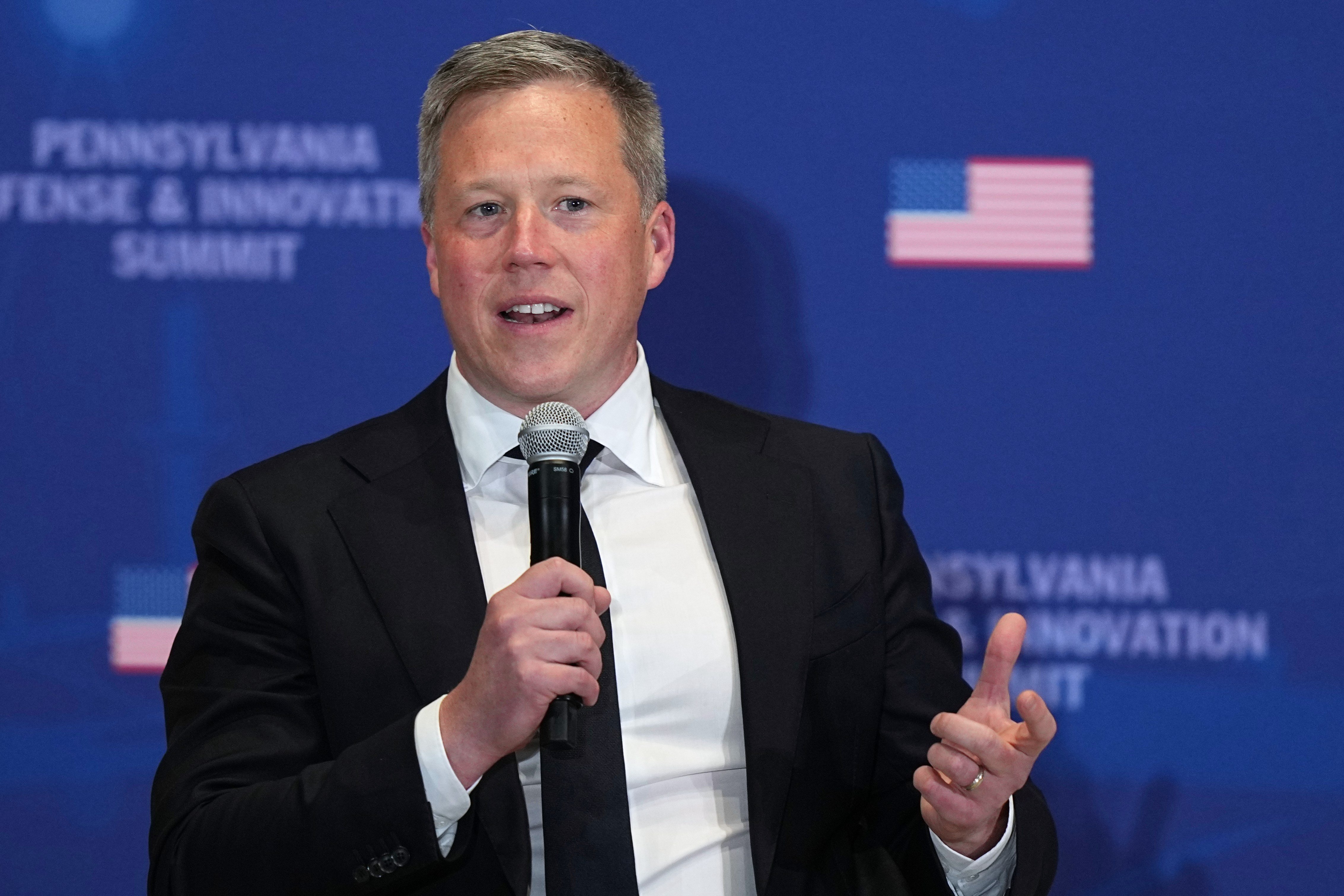
OpenAI has enlisted former Army Secretary Dan Driscoll as a senior counselor for national security modernization, the company announced Monday. The move signals the AI firm’s deepening push into defense and government partnerships.
Driscoll, who resigned from his Pentagon post in early September, will advise OpenAI on how its technology can bolster national and cyber security. His portfolio will center on collaborating with U.S. allies and advancing “practical modernization initiatives,” according to the company. He will also help OpenAI teams grasp the operational demands of global national security institutions.

“The people who serve deserve the very best tools we can put in their hands,” Driscoll said in a statement. “National security requirements are changing faster than at any time in the past fifty years.” He added that AI can help by “cutting through paperwork, making sense of more information, and getting the right answer to the right person faster.”
Driscoll’s arrival comes amid a broader debate over AI’s role in military and intelligence work. OpenAI has previously faced scrutiny over potential misuse of its models, but the company has also pursued contracts with defense agencies. The appointment underscores a growing trend of tech firms bringing in former military leaders to navigate the complex intersection of AI and national security.
Driscoll’s tenure as Army secretary was marked by friction with Defense Secretary Pete Hegseth. After President Trump tapped Driscoll to negotiate with Ukrainian officials in an effort to end the Russia-Ukraine war, tensions escalated between the two Pentagon leaders. Hegseth later dismissed several senior Army officers, including some considered close to Driscoll.
Despite the internal strife, Driscoll pushed to modernize the Army’s equipment and drew lessons from Ukraine’s use of commercial technology in warfare. His experience in battlefield innovation and policy is likely to inform his new role at OpenAI.
The hire also comes as OpenAI faces legal challenges, including a lawsuit from Texas Attorney General Ken Paxton over alleged deceptive practices. That case highlights the regulatory and reputational hurdles the company must navigate as it expands into sensitive sectors.
Driscoll’s appointment is part of a wider effort by OpenAI to position itself as a trusted partner for government and defense. The company has emphasized responsible AI deployment, but critics remain wary of military applications. Still, OpenAI’s leadership sees national security as a growth area, and Driscoll’s background could help bridge the gap between tech innovation and defense needs.
In his statement, Driscoll framed the move as a service to those on the front lines. “I’m joining OpenAI to help the United States and our allies put this technology to work responsibly, for the people who keep us safe,” he said.
Observers note that Driscoll’s political connections and military expertise make him a valuable asset for OpenAI as it seeks to influence policy and secure contracts. Whether his presence will ease tensions with the Pentagon or complicate them remains to be seen.