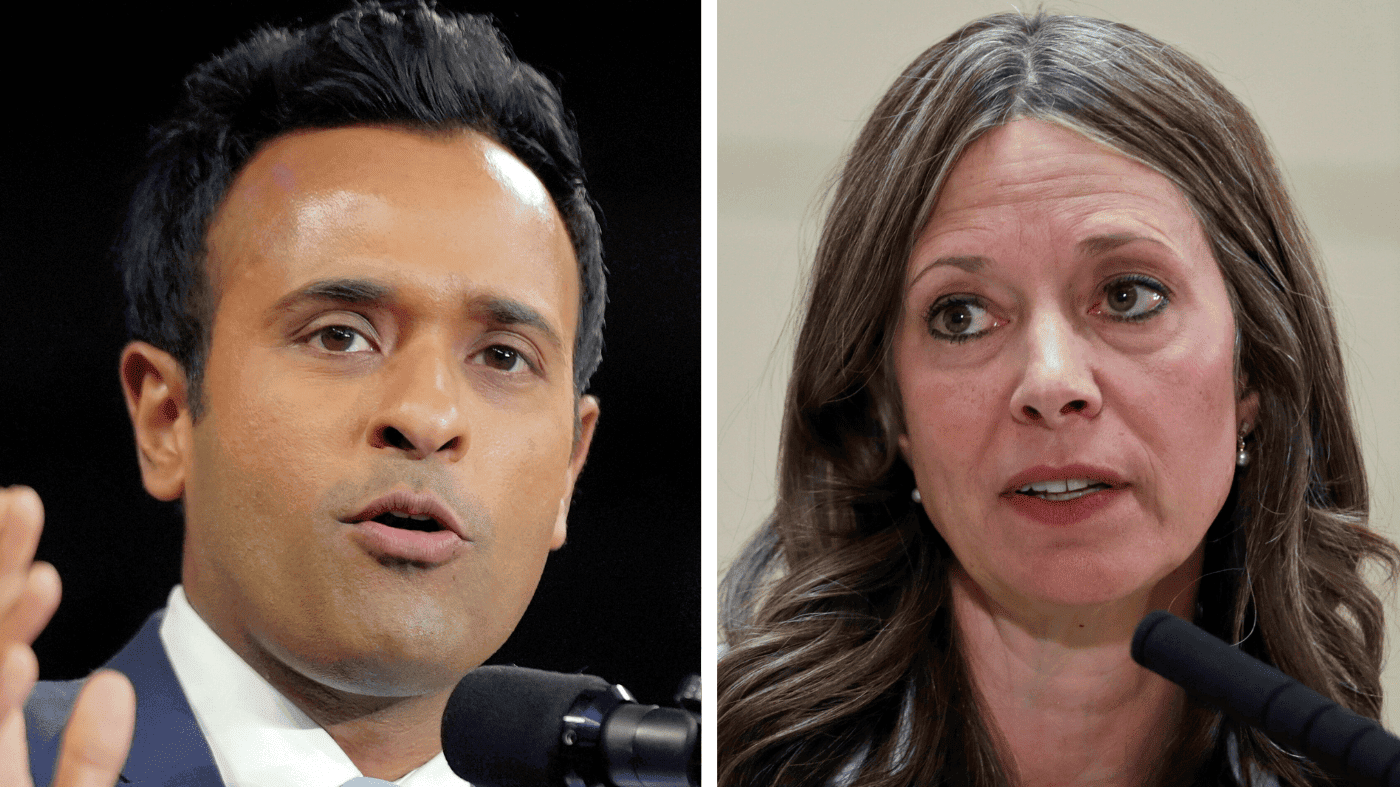
A new survey from Bowling Green State University reveals a highly competitive race for Ohio's next governor, with Republican frontrunner Vivek Ramaswamy holding a narrow one-point lead over likely Democratic nominee Amy Acton. The poll of 1,000 registered voters shows Ramaswamy at 48% support compared to Acton's 47%, with 5% backing another candidate. The margin of error is 3.9 percentage points, placing the contest in a statistical tie with less than six months until the November election.
Primary Landscape and Endorsement Power
Ramaswamy, the entrepreneur and former presidential candidate, dominates the Republican primary field. Among 383 likely GOP primary voters surveyed, more than 75% support his nomination. Businessman Casey Putsch and former school board president Heather Hill each trail with 12% support. Ramaswamy's campaign is bolstered by endorsements from former President Donald Trump, Vice President J.D. Vance, and other establishment Republican figures.
Acton, who served as Ohio's health director under current Republican Governor Mike DeWine, faces no opposition in the Democratic primary. Early in-person voting began on April 7 and continues through May 3 ahead of the May 5 primary, according to the office of Republican Secretary of State Frank LaRose.
Potential for GOP Defections
The poll uncovered potential complications for Republican unity in the general election. Among 47 supporters of primary challenger Casey Putsch, 23% said they would write his name on the November ballot even if he loses the nomination. Just over half of that group said they would ultimately support Ramaswamy, while 13% would back Acton, 5% would choose another candidate, and 3% would not vote at all.
The winner will succeed two-term incumbent Mike DeWine, whose popularity appears weak as he prepares to leave office. Only 7% of respondents strongly approve of his job performance, while 33% somewhat approve. More than half expressed some level of disapproval. This discontent mirrors broader sentiment about the state's direction: 46% believe Ohio is on the wrong track, compared to 35% who say it's headed the right way, with 18% unsure.
Economic Context and Campaign Themes
Economic concerns dominate the campaign, with Ohio ranking 23rd for lowest cost of living among U.S. states and territories in 2025, according to the Missouri Economic Research and Information Center. The state's cost of living sits below Pennsylvania's but above that of Michigan, Indiana, Kentucky, and West Virginia.
Both candidates have framed their campaigns around economic revival. "What can we deliver? Continually lower costs, bigger paychecks, better schools. A revival of that American dream," Ramaswamy said during a recent appearance on Fox News. Acton, campaigning in Perry County, wrote on social media platform X: "As governor, it will be my mission to bring down rising costs and end the corruption in Columbus so that hardworking Ohioans can get ahead again."
Broader Political Context
The tight Ohio contest reflects the competitive nature of several key governor's races this cycle, where state-level dynamics often diverge from national trends. Similar battles are emerging elsewhere, such as in Iowa where Democrat Rob Sand is challenging GOP dominance. Meanwhile, internal party tensions continue to surface nationally, exemplified by Senator John Fetterman's recent criticism of his party's foreign policy stance.
The Ohio governor's race will test whether Ramaswamy can translate his national profile and Trump-aligned politics into state-level victory, and whether Acton can leverage her administrative experience and moderate appeal in a state that has trended Republican in recent cycles. With DeWine's low approval numbers and voter pessimism about the state's direction, both candidates face an electorate seemingly open to change.