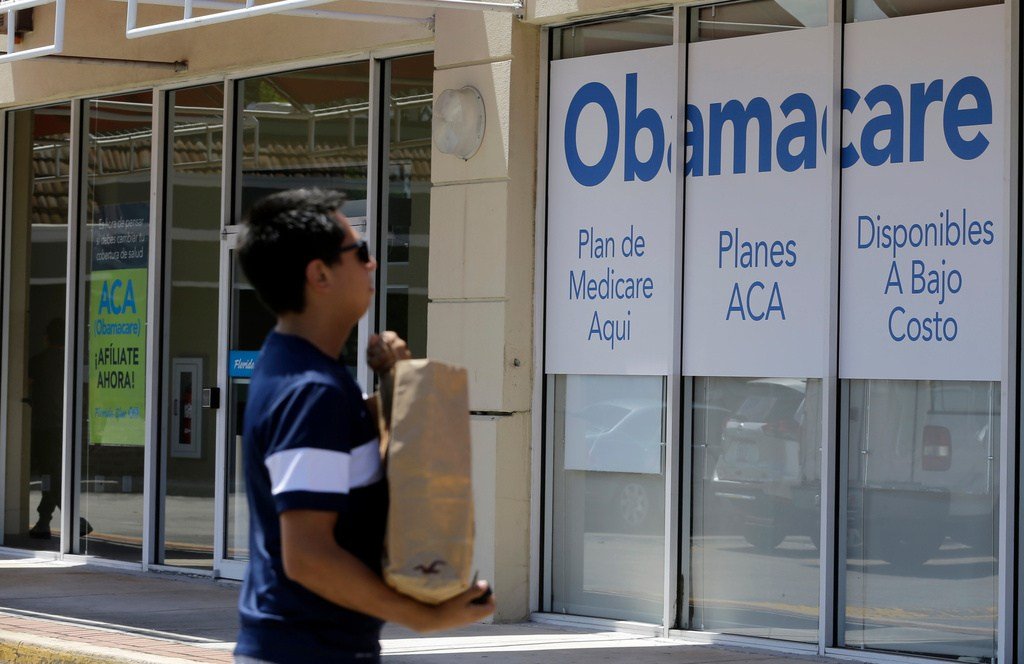
Consumers are already feeling the sting of higher prices at the grocery store and the gas pump, but those increases are modest compared to the looming spike in Affordable Care Act (ACA) premiums. New projections suggest the program may soon earn a new nickname: the Unaffordable Care Act.
A recent analysis by the Peterson-Kaiser Family Foundation, which surveyed 276 insurers across all 50 states, found that the median ACA premium increase for 2027 is expected to hit 15 percent. Nearly 90 insurers anticipate hikes between 20 and 35 percent or more—this on top of a 20 percent jump already seen in 2026. For many enrollees, that translates to cumulative premium increases of 40 to 50 percent over just two years.

Democrats and much of the mainstream media are quick to blame President Trump and Republicans for the surge, but the reality is that Democrats bear the lion's share of responsibility. When the ACA was passed in 2010, health policy experts—including those who helped craft the law—warned that its structure would inevitably drive up costs and push younger, healthier people out of the market. Those warnings were dismissed, and now the chickens have come home to roost.
As the ACA's Open Enrollment period kicks off, Kaiser's data reveals just how many people are abandoning the program. Enrollment in the individual health insurance market—where people without employer or government coverage buy their own plans—fell 18 percent between June 2025 and June 2026. Kaiser projects a further decline of 4.6 million people out of roughly 20.5 million currently enrolled. The primary driver? The expiration of enhanced premium tax credits, which were a temporary pandemic-era boost passed by Democrats in 2021.
The exodus is not just a numbers game; it's an actuarial nightmare. When younger and healthier individuals drop coverage, the insurance pool becomes smaller and sicker. That pushes premiums even higher, prompting the next wave of departures. This vicious cycle—rising premiums leading to declining enrollment—is what insurance experts call a death spiral.
Compounding the problem is fraud. The Department of Health and Human Services announced in June that it estimates 2.6 million improper or phantom enrollments remain in the system, including over 1 million without a Social Security number. As these nonexistent or ineligible enrollees are purged, their taxpayer-funded subsidies vanish, leaving less money to cover the costs of a shrinking, sicker pool. That could accelerate the spiral.
Republicans have been blamed for not renewing the enhanced subsidies, but that criticism misses the mark. The ACA's original subsidies, in place since 2010, are still generous. The enhanced subsidies were always temporary and merely masked the true cost of the program. Without them, the underlying premium increases are now exposed.
Can anything stop the death spiral? Short of another round of enhanced subsidies, probably not. If Democrats regain control of Congress and the White House in 2028, they will almost certainly push for new subsidies—but that would only shift the burden onto taxpayers, not make the program affordable on its own merits.
As debt surges in affordable states and families face bipartisan pushes for paid leave and child tax credits, the ACA's premium spiral adds another layer of financial strain. The nurses union's warnings about unproven AI tools in healthcare only underscore the system's fragility. Unless policymakers address the structural flaws, ObamaCare may shrink into a program for the sickest, with premiums that are unaffordable for everyone else.