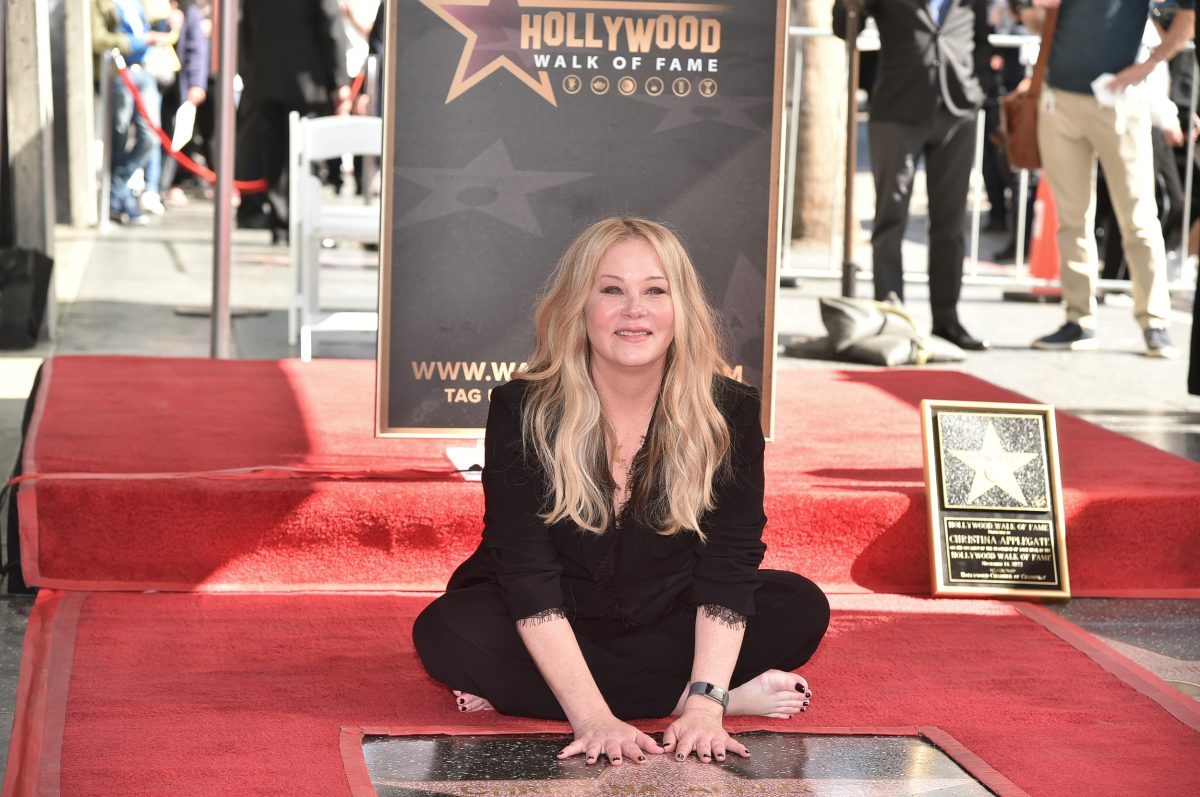
Actress Christina Applegate has disclosed that she was mistakenly diagnosed with multiple sclerosis, a revelation that she says has thrown her health journey into uncertainty.
In a two-part return of her podcast MeSsy, which she co-hosts with Jamie Lynn Sigler, Applegate recounted the moment her doctor delivered the unexpected news. “She came into my room and she said, ‘Congratulations, you don’t have MS,’” the 54-year-old said, adding that she had stepped away from the show to process the development.

Far from feeling celebratory, Applegate described her reaction as decidedly unhappy. “I was like, not happy at all,” she said in episodes released Tuesday. “Everybody else was happy.”
The actress, known for her roles in Dead to Me and Married... with Children, had been public about her struggles with MS since her diagnosis in 2021. The condition affects the central nervous system and can cause a wide range of symptoms, including mobility issues and fatigue. Applegate has spoken openly about the physical toll the disease has taken on her life.
Now, with the diagnosis overturned, she faces an uncertain path. “I haven’t gotten better,” she said, underscoring that the symptoms she has endured remain real, even if the label attached to them has changed.
The news has drawn attention not only to Applegate’s personal ordeal but also to broader questions about diagnostic accuracy in neurology. Misdiagnoses of MS are not uncommon, as its symptoms can mimic those of other conditions, including Lyme disease, vitamin deficiencies, and autoimmune disorders. For patients, the emotional and physical toll of a wrong diagnosis can be profound.
Applegate’s co-host Sigler, who has lived with MS for years, offered her support during the episodes. The two have built a community around their podcast, which focuses on living with chronic illness.
As Applegate navigates this new chapter, she remains a prominent voice in conversations about health care and patient advocacy. Her experience highlights the need for thorough testing and second opinions in neurology, a topic that resonates with many who face similar diagnostic challenges.
For now, Applegate says she is taking time to reassess her treatment plan and future. “I’m back at square one,” she admitted, a sentiment that will likely strike a chord with anyone who has faced a sudden shift in their medical reality.

