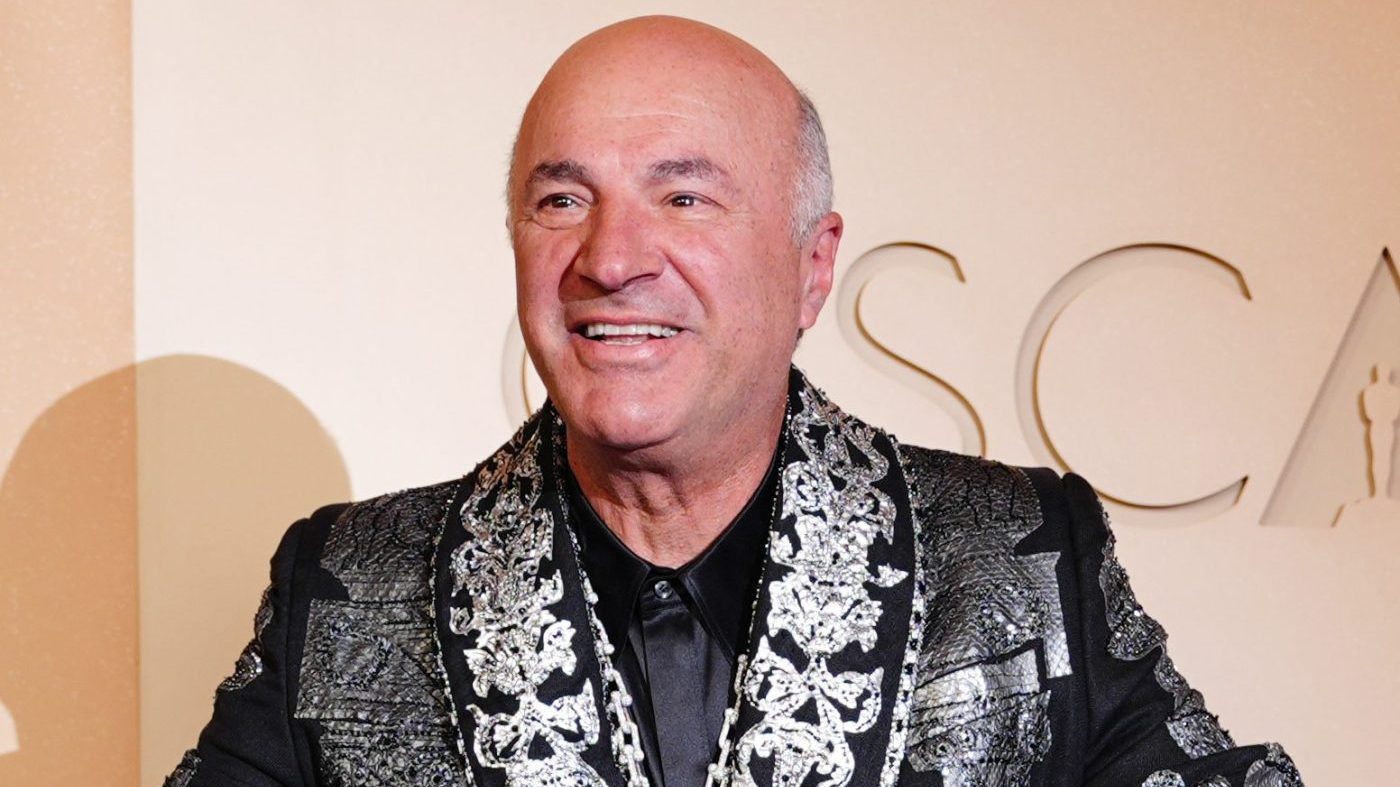
Millionaire investor Kevin O'Leary has dismissed growing local resistance to his proposed AI data center in Utah as baseless, accusing foreign interests—specifically China—of orchestrating a disinformation campaign against the project. In a Tuesday interview with NewsNation's The Hill, O'Leary said many of the concerns raised by residents are rooted in what he called “misinformation and just straight out lies.”
Stratos Project Faces Local Backlash
The proposed development, known as the Stratos project, would be one of the largest AI data centers in the world, spanning multiple sites across Box Elder County. The plan has drawn sharp criticism from local residents, who have organized protests and filed thousands of objections with regulators. Critics worry the facility could strain the region's water supply and drive up energy costs.
O'Leary, whose firm O'Leary Digital is partnering with Utah's Military Installation Development Authority (MIDA), pushed back on claims that the center would consume all 40,000 acres tied to the proposal. “The idea that it's 40,000 acres, that's ridiculous,” he said. “That was the parcel that was available. We'll probably use a quarter of that.”
Water and Energy Claims Disputed
The investor also rejected fears that the data center would deplete the Great Salt Lake or raise electricity bills for Utahns. “We're not planning to take any water from the Great Salt Lake. And if anything, we'll put water back into the Great Salt Lake after it's treated,” O'Leary asserted. He added that the facility would generate its own power using the Ruby Pipeline, a natural gas line that runs through the region.
Still, environmental and community groups remain skeptical. The project's energy demands could rival those of a small city, and water usage for cooling has been a flashpoint in similar data center debates nationwide. O'Leary's assurances have done little to quell concerns, especially as Utah grapples with drought and rapid tech-driven growth.
Accusations of Foreign Meddling
O'Leary went further, alleging that outside actors are fueling the opposition. “All these people have a right to get information,” he said. “Why are they getting it from a false initiative? Who is spending all this money to put out all these falsehoods and straight out misinformation and lies and agitate these people?” He claimed to have hired forensic auditors to trace the source of the campaign, pointing to China as a likely culprit without providing evidence.
The accusation adds a geopolitical layer to a local land-use dispute, echoing broader tensions over US technology infrastructure and foreign influence. O'Leary's comments come amid a national push to expand AI computing capacity, with the Trump administration recently pulling an AI testing order over innovation concerns, signaling a deregulatory tilt.
Political and Regulatory Implications
The controversy in Utah reflects a larger pattern of friction between tech investors and local communities. Similar battles have erupted over data centers in Virginia, Arizona, and elsewhere. For O'Leary, the Stratos project is a high-stakes bet on the AI boom, but the backlash underscores the challenge of siting massive energy-intensive facilities in water-scarce regions.
Utah's MIDA, which has authority to fast-track development on military-adjacent land, faces pressure to balance economic growth with environmental stewardship. The outcome could set a precedent for how states handle the infrastructure demands of artificial intelligence.
Meanwhile, O'Leary's combative stance may further polarize opinion. As he put it, “I think a lot of those concerns are based on misinformation and just straight out lies.” Whether that message resonates in Box Elder County remains to be seen.