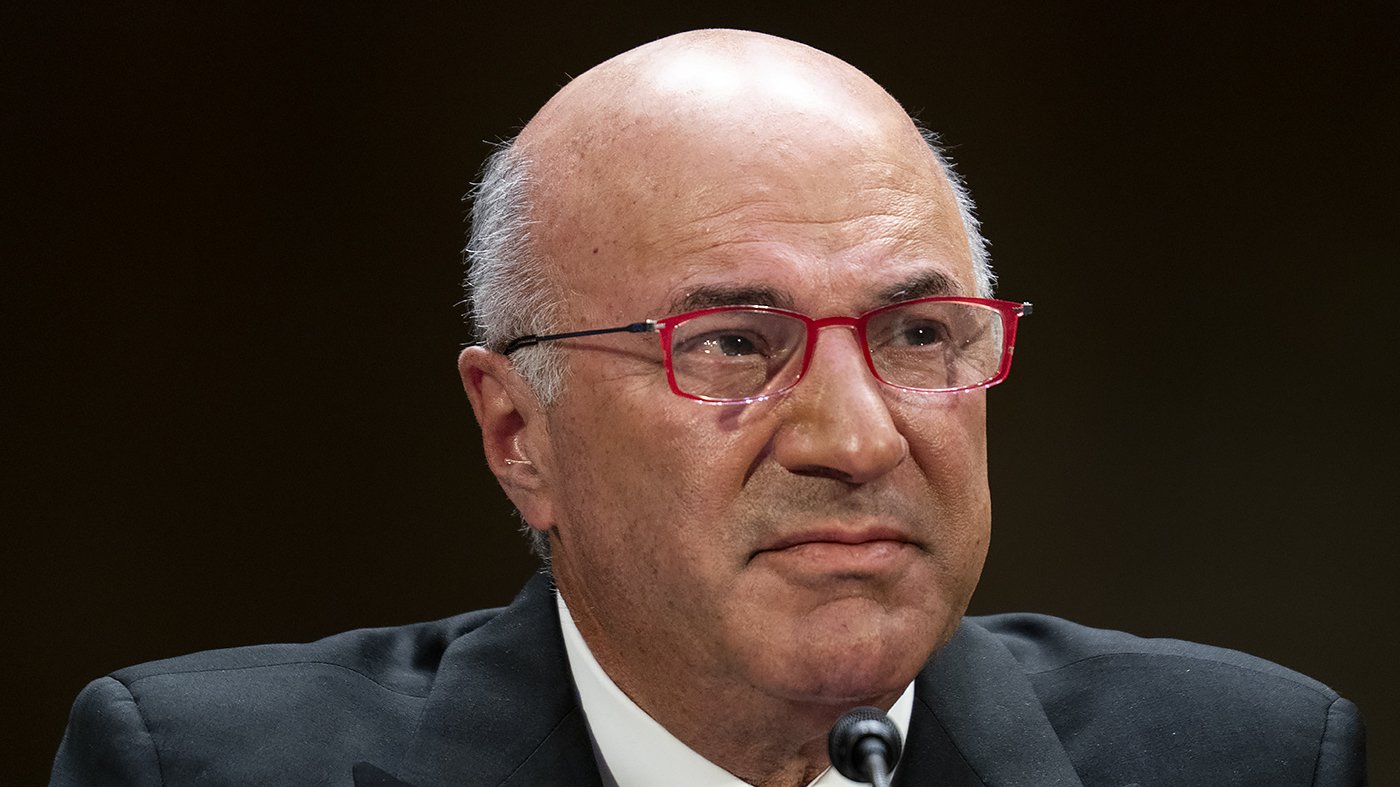
Kevin O'Leary, the Shark Tank star and business mogul, said Wednesday he is prepared to shrink his controversial 40,000-acre artificial intelligence data center campus in Utah following mounting opposition over its size and environmental toll.
Speaking at the Washington AI Network's AI Honors gala, O'Leary told NBC News he has “no choice” but to slim down the project. “I'm going to have to,” he said, acknowledging the political headwinds.
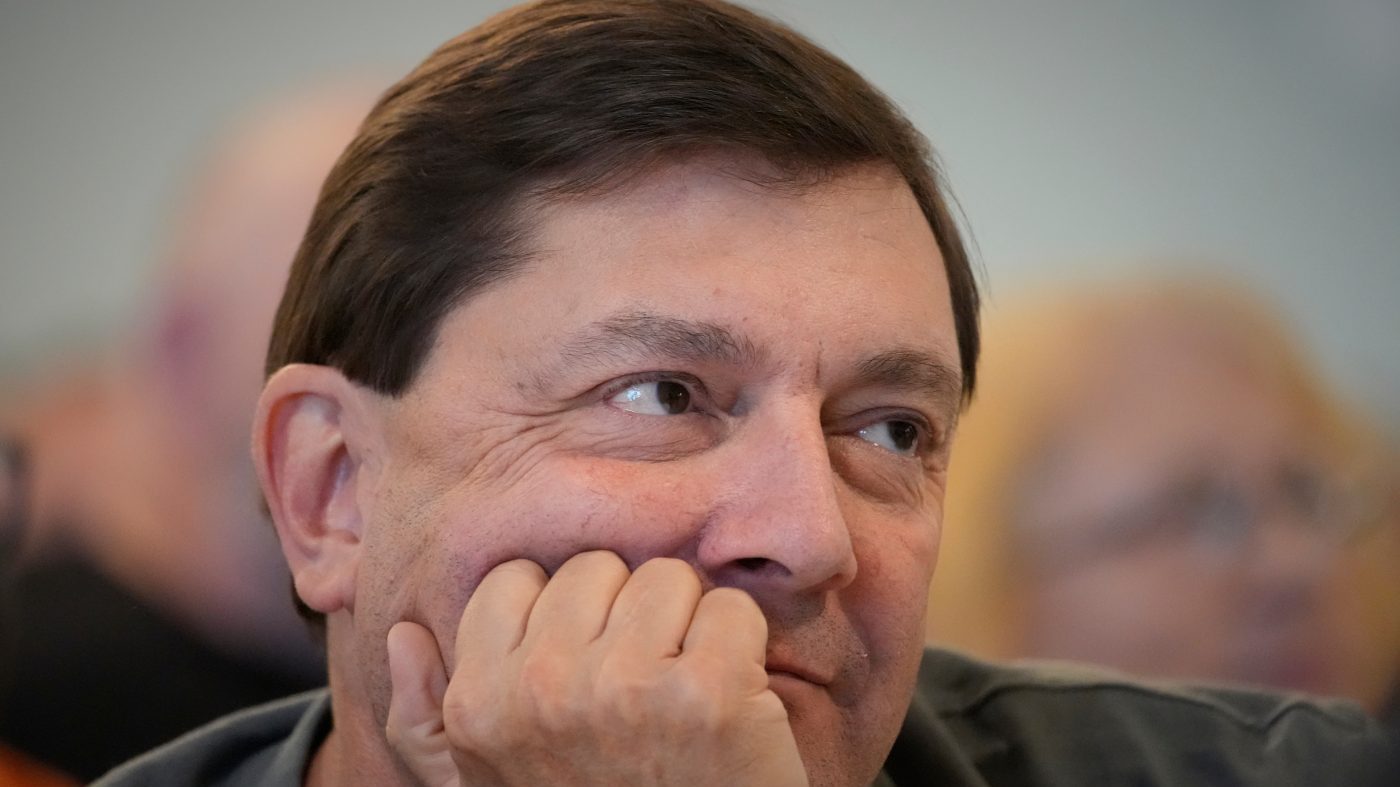
The pushback intensified after Utah Senate President J. Stuart Adams (R) sent a letter Monday demanding a 75% reduction—from 40,000 acres to roughly 10,000 acres—for the Stratos data center in Box Elder County. Adams also called for “greater transparency, stronger conservation commitments and enhanced protections for Utah's natural resources,” specifically the Great Salt Lake, though none of the water currently used in the area flows into the lake.
O'Leary suggested the request was politically motivated. Adams faces a June 23 GOP primary with two challengers. “I know he did it for political reasons,” O'Leary told NBC News. “He has to address those issues, and so do I.”
The Stratos project has become a flashpoint in the debate over the massive energy and water consumption of large-scale data centers. Billed as one of the world's largest AI data center developments, it was approved to span multiple sites across the Beehive State. Critics argue it advanced without sufficient public input, sparking protests and local opposition.
O'Leary has previously dismissed concerns as “misinformation” and lies, accusing China of funding smear campaigns. “All these people have a right to get information,” he said. “Why are they getting it from a false initiative? Who is spending all this money to put out all these falsehoods and straight-out misinformation and lies and agitate these people?” He also alleged that the Alliance for a Better Utah, a group opposing the project, is backed by dark-money interests from China. The group denied the claim, stating on its website: “The only foreign interest in this data center is Kevin from Canada.”
O'Leary said he plans to send a formal response to Adams with details of a revised proposal by Friday. The showdown comes as data center bans gain traction elsewhere—Monterey Park voters recently approved the first U.S. data center ban—highlighting a growing tension between tech expansion and local control.
The controversy also echoes broader political battles over energy policy and foreign influence. As Trump faces backlash over his $1.8 billion 'slush fund' and judicial setbacks, the O'Leary data center saga underscores how infrastructure projects can become lightning rods in an election year.