While the national housing market remains sluggish, a new report identifies a clear regional divide: the Northeast and Midwest are seeing intense buyer competition, with all ten of the nation's hottest ZIP codes located in these two regions.
Realtor.com's annual analysis, covering January through June 2026, ranks areas by a combination of unique property views and the median days listings stay on the market. The top ten ZIP codes drew three to five times more views per listing than the national average, and homes sold 30 to 42 days faster than typical U.S. properties.

The report characterizes these areas as "desirable suburban corridors," where buyers can enjoy a slower pace of life while remaining connected to major economic centers. This trend reflects a broader shift toward suburban living, a topic that has gained political traction as policymakers debate housing affordability and infrastructure investment.
However, demand is only part of the story. The supply side is equally constrained. Inventory in these hottest ZIP codes is roughly 60% below pre-pandemic levels, compared with an 11% shortfall nationwide. This scarcity is fueling bidding wars and pushing prices higher, even as the national market cools.
Notably absent from the list are the South and West, a repeat for the fourth consecutive year. Analysts attribute this to a surge in new construction in those regions, which has expanded supply and tempered competition. This geographic divergence could influence political discussions on regional economic policy and housing development strategies.
Top Ten Hottest ZIP Codes for 2026
- 10. Wheaton, Ill. (60187) – Chicago metro; median list $575,000; 25 days on market; views 3.0x national average.
- 9. New Berlin, Wis. (53151) – Milwaukee metro; median list $445,000; 29 days; views 4.5x.
- 8. North Haven, Conn. (06473) – New Haven metro; median list $562,000; 30 days; views 5.3x.
- 7. Lititz, Pa. (17543) – Lancaster metro; median list $598,000; 28 days; views 3.8x.
- 6. Livonia, Mich. (48154) – Detroit metro; median list $338,000; 25 days; views 3.4x.
- 5. Westfield, Mass. (01085) – Springfield metro; median list $381,000; 27 days; views 5.2x.
- 4. Fairport, N.Y. (14450) – Rochester metro; median list $429,000; 23 days; views 5.3x.
- 3. Sewell, N.J. (08080) – Philadelphia metro; median list $426,000; 25 days; views 3.8x.
- 2. Montclair, N.J. (07042) – New York metro; median list $1,050,000; 18 days; views 3.3x.
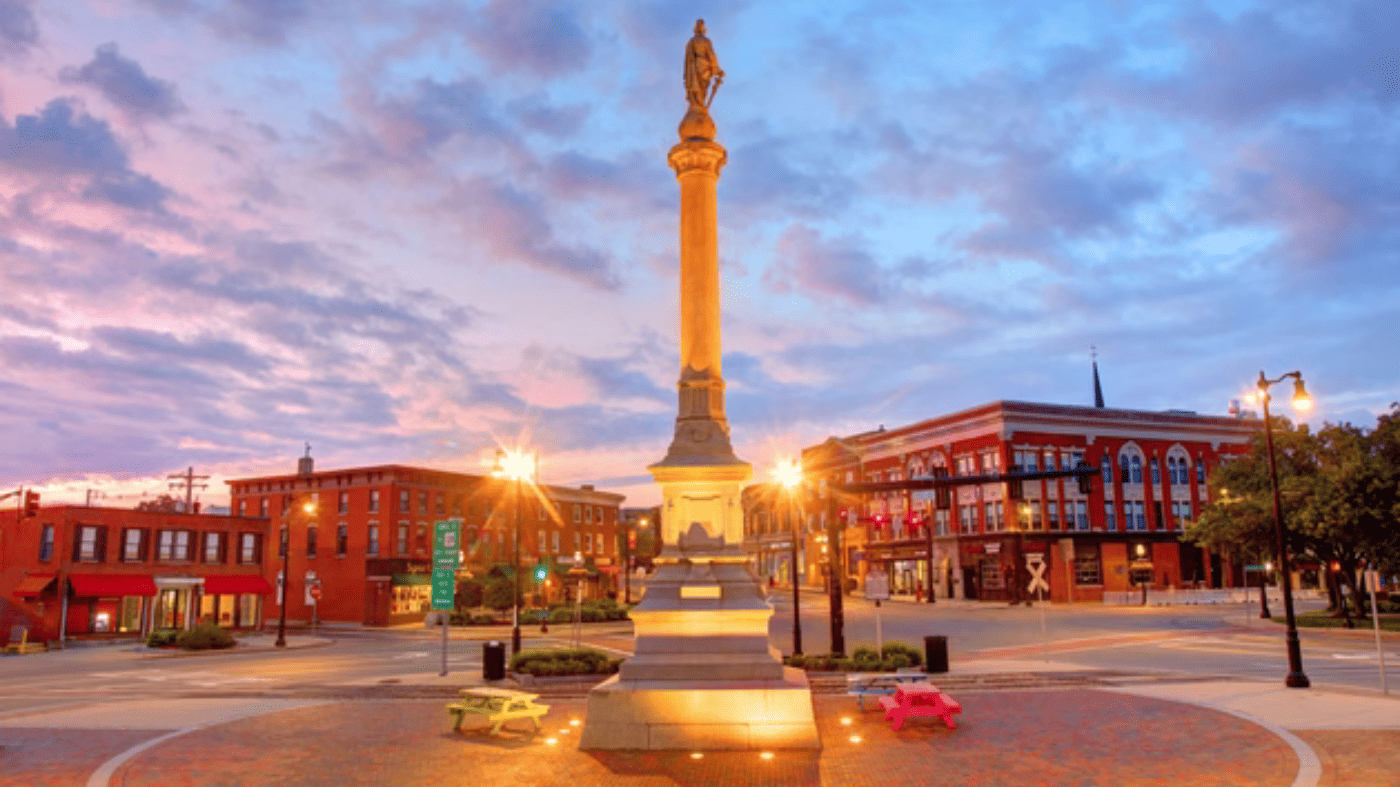
- 1. Peabody, Mass. (01960) – Boston metro; median list $600,000; 20 days; views 4.1x.
The list includes a mix of small cities and suburbs that offer relatively affordable housing compared to nearby urban cores, yet still provide access to job markets. For instance, Livonia, Michigan, offers a median price of $338,000, making it attractive to buyers seeking value near Detroit. On the other end, Montclair, New Jersey, commands a premium at over $1 million, reflecting its proximity to New York City.
These trends come as Midwest primaries put progressive movement to the test, and as policymakers grapple with housing affordability. The concentration of hot markets in the Northeast and Midwest may also intersect with broader political narratives about regional economic vitality and the need for federal investment in infrastructure and housing.
Realtor.com's data underscores a persistent mismatch between supply and demand in these areas, a challenge that local and state governments are increasingly addressing through zoning reforms and development incentives. However, the slow pace of new construction in these regions suggests the competition is likely to continue.
As the housing market remains a key issue for voters, the regional disparities highlighted in this report could shape debates on why blocking AI data centers risks America's economic future—though housing and tech policy are distinct, both reflect broader concerns about economic growth and community planning.