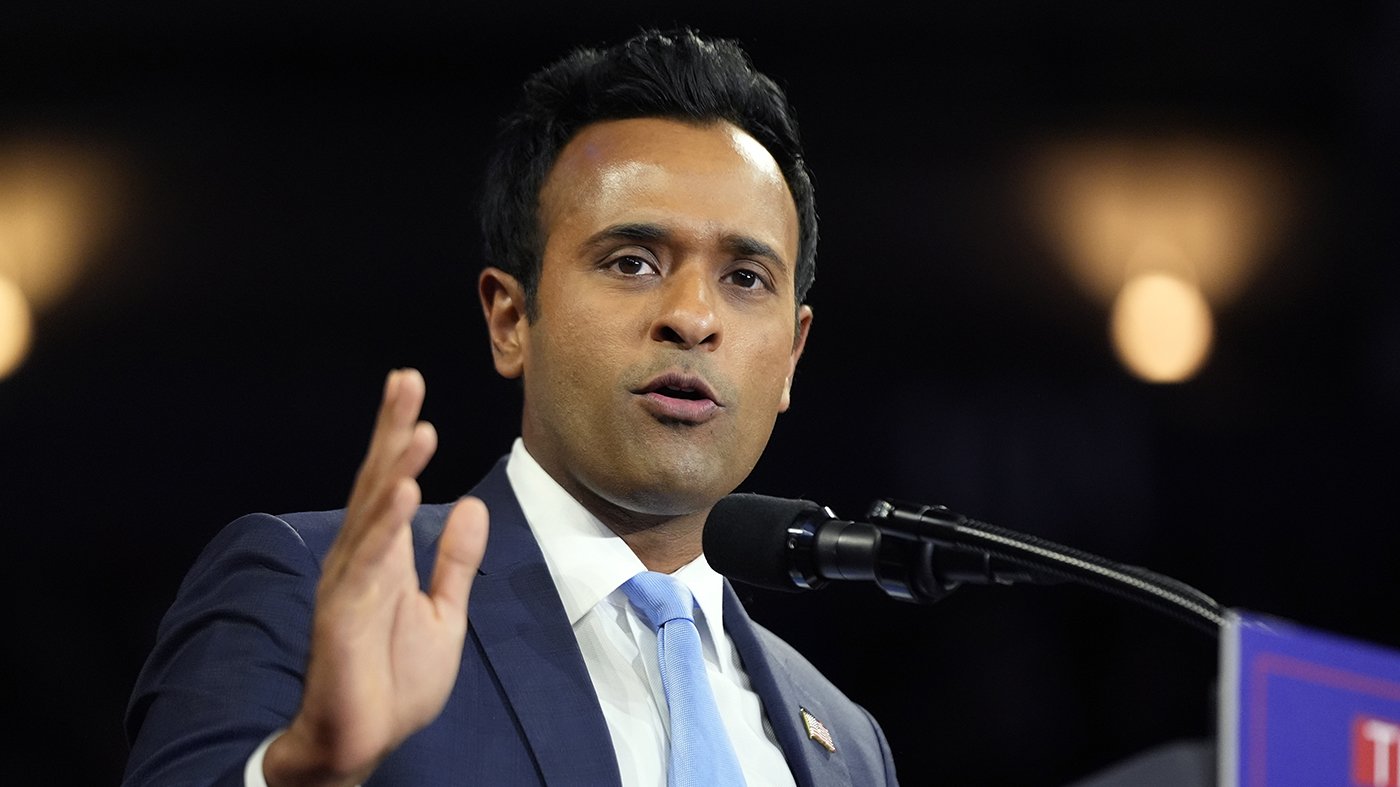
A fresh AARP survey reveals that Democratic candidates are edging out their Republican opponents in Ohio's two marquee statewide races this year. The poll, conducted June 14–16 by the bipartisan team of Fabrizio Ward and Impact Research, tested 800 likely voters and found former state health director Amy Acton leading GOP gubernatorial hopeful Vivek Ramaswamy 47% to 44%.
In the Senate contest, appointed incumbent Jon Husted trails former three-term Senator Sherrod Brown 48% to 45%. Both margins fall within the survey's 3.5-point error margin, keeping the contests highly competitive.

Age and Independence Drive the Numbers
The poll highlights stark generational splits. Acton holds a 24-point advantage among voters under 50, while Ramaswamy leads by 10 points among those 50 and older. Similarly, Brown leads Husted by 22 points with younger voters, while the Republican has an 8-point edge among seniors. Both Democrats also enjoy commanding leads with independents—Acton by 26 points and Brown by 28.
Ohio, which ranks in the top half of states by median age, is a key battleground for older voters. AARP Executive Vice President Nancy LeaMond emphasized that voters 50 and older are "extremely motivated" for the midterms and that issues like Social Security, Medicare, inflation, and retirement security often decide competitive races. "This is the most influential voting bloc in American elections," she said.
Social Security is particularly salient. Earlier this month, the Trump administration released a report projecting that the program will be unable to pay full benefits within seven years under current law—a finding that could galvanize older swing voters.
Context and Stakes
Ramaswamy, a former presidential candidate, is seeking to flip the governor's mansion after Republican Mike DeWine's tenure. Husted, DeWine's former lieutenant governor, was appointed to the Senate after Vice President Vance vacated the seat. Brown, who lost his seat to Republican Bernie Moreno in 2024, is attempting a comeback.
The AARP poll underscores the importance of generational and independent voters in a state that has trended right but remains competitive in down-ballot races. As both parties vie for control, the battle for Ohio's older electorate—and their trust on retirement security—will be central.