Eighty-five years ago this week, Adolf Hitler shattered the Molotov-Ribbentrop Pact and invaded the Soviet Union. Today, some analysts draw a parallel between that betrayal and the recent U.S.-Iran memorandum of understanding, warning that the path to peace remains precarious.
A Slim Chance for Peace
According to Harlan Ullman, senior adviser at the Atlantic Council, there is only a narrow—indeed, microscopic—opportunity for President Donald Trump's Iran strategy to succeed. That chance, he argues, hinges on dumping Israeli Prime Minister Benjamin Netanyahu and replacing him with a moderate leader akin to Yitzhak Rabin, who forged peace with Egypt and Anwar Sadat after the 1973 war.
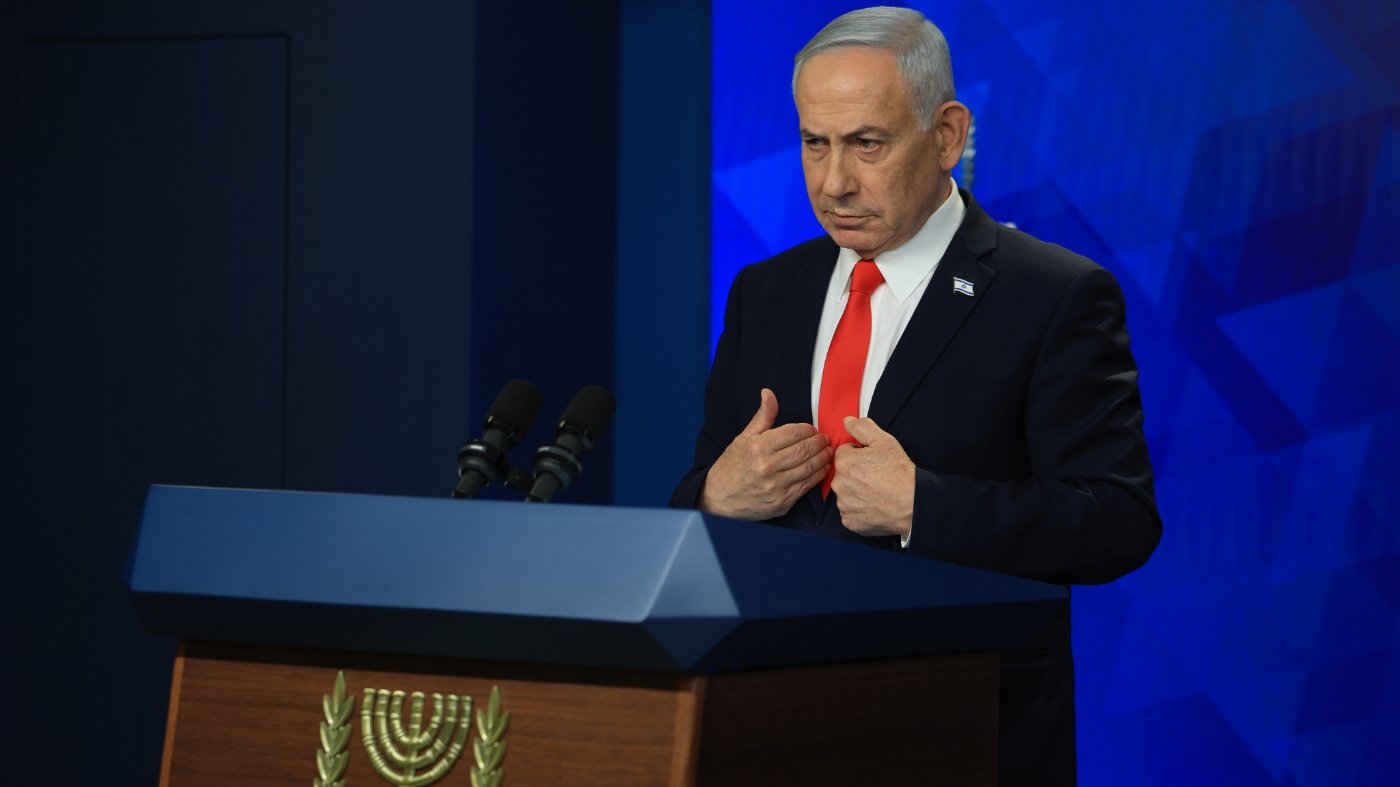
Trump has already set the stage. He has publicly told Netanyahu that he calls "all the shots" and reportedly berated the prime minister, calling him "crazy." This public dressing-down has not been well received by some Israelis, and it remains unclear whether it will force Netanyahu's ouster. If not, Ullman contends, as long as Netanyahu stays, a genuine and lasting peace will never be achieved. The prime minister, he says, has consistently sought to destroy Iran and block any negotiated settlement.
Netanyahu's Scorched-Earth Policy
Netanyahu's aggressive stance toward Iran dates back to early January, when Israel's Mossad intelligence agency allegedly began fomenting protests in Iran to justify a preemptive attack. In mid-January, Netanyahu flew to Washington to convince Trump of the need to decapitate Iran's leadership and achieve regime change. Mossad Director David Barnea joined the pitch via video link from Israel.
Fresh from the nearly flawless seizure of Venezuelan President Nicolás Maduro in early January, Trump was easily persuaded. On February 28, he launched Operation Epic Fury, which literally and figuratively blew away the Iranian leadership. Trump quickly declared victory, claiming the war would soon be over. But it was not.
War and the MOU
The administration has been criticized for failing to anticipate Iran's closure of the Strait of Hormuz and attacks on its neighbors. If the leaked memorandum of understanding is accurate, it is unclear who won and who lost. Many analysts believe Iran came out ahead. Trump's MAGA supporters, however, are likely to accept any presidential narrative, even as some grow disillusioned over the Epstein files.
Where is the war headed? On the current track, with Netanyahu still in power, a ceasefire and negotiations could drag on at least through the November midterm elections. The closure of the Strait of Hormuz has damaged perceptions of affordability and may jeopardize Republican chances of retaining both the House and Senate. Keeping the strait open is a political necessity for Trump.
Post-Election Scenarios
What happens after November is the key question. Trump is cynical and practical enough to recognize that losing one or both chambers could empower him through executive orders, allowing him to blame Democrats for every setback. But if Trump is serious about his legacy as a peacemaker, Ullman argues, his best move is to turn Israelis against Netanyahu and urge them to elect a prime minister committed to peace. That could extend the Abraham Accords to include Saudi Arabia, and once Riyadh and Jerusalem make a demonstrative peace, an accord with Iran becomes possible—provided Israel adopts more sensible policies on Gaza, Hamas, and Hezbollah.
In that scenario, Iran could help. But will it? At this stage, no one knows. Yet, however unlikely, Ullman insists this is the only approach that could bring enduring peace to the region. Despite Trump's claims to have resolved multiple conflicts—for which he says he deserves several Nobel Peace Prizes—if he pulls this off, he would be a true hero deserving far more than a single prize. But as we wonder whether Israel and Iran can or will act, the same questions apply to Trump.