With the 2026 midterms approaching, Democrats face a familiar pitfall: neglecting the nation's fastest-growing voting bloc. Asian American voters have proven decisive in recent elections, yet party strategists continue to underinvest in outreach, a pattern that could prove costly.
In battleground states like Arizona, Georgia, Nevada, North Carolina, and Pennsylvania, Asian American turnout in 2020 and 2024 exceeded the presidential margin of victory. In Georgia alone, Asian American votes surged by nearly 62,000 between 2016 and 2020, helping Joe Biden win by fewer than 12,000 votes. Nevada saw a 66 percent increase, and Arizona a 58 percent jump, with both states decided by tens of thousands of votes.

However, support for Democrats among Asian Americans slipped from 2020 to 2024, as Donald Trump gained 10 points among these voters. The same communities that delivered Biden's wins failed to turn out for Kamala Harris, partly due to reduced grassroots investment. Mary Lou Akai-Ferguson, executive director of the Asian American Power Network, warns that "parachuting in resources around election day is a pattern that has failed other communities."
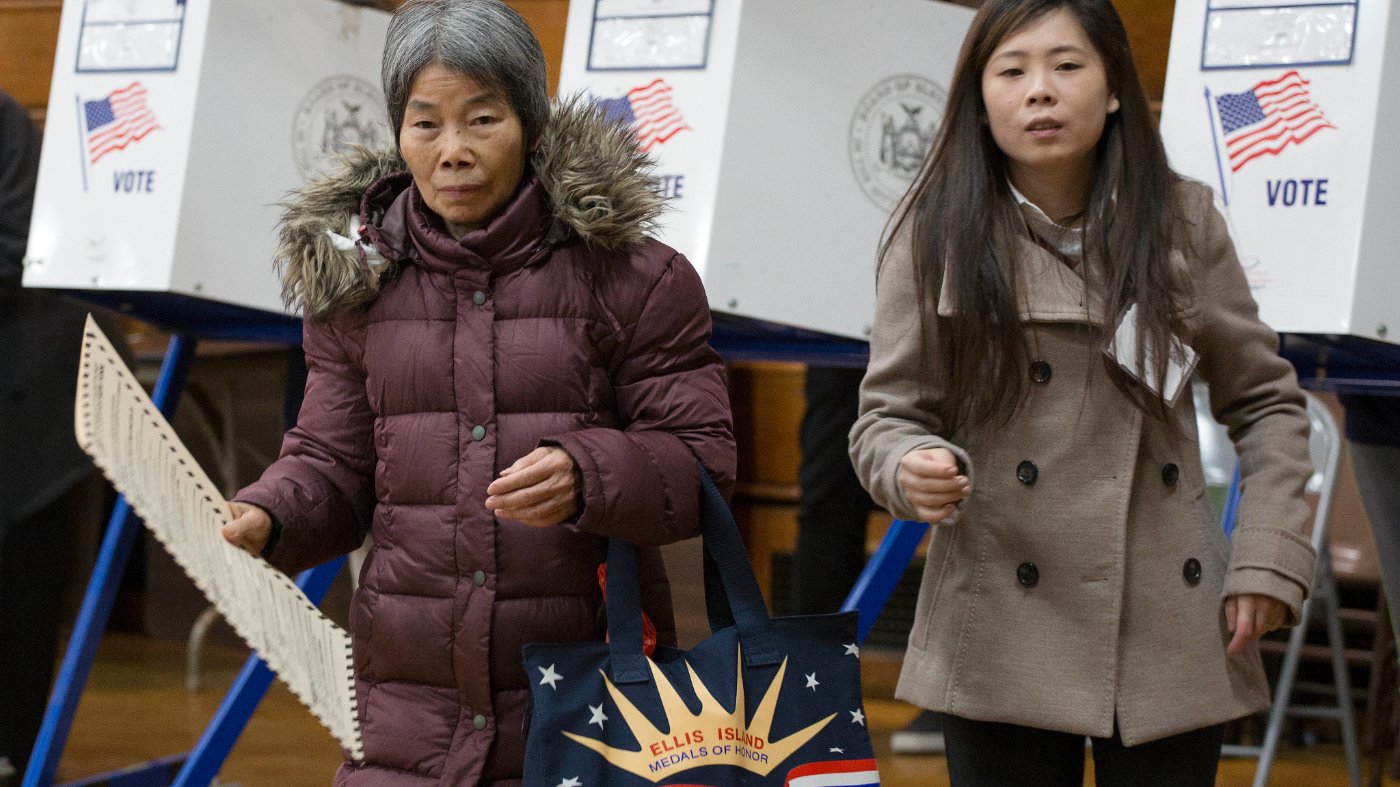
The Asian American electorate is not monolithic. It spans dozens of ethnicities, languages, and experiences, from multigenerational Filipino families in California to Hmong enclaves in Minnesota. Reaching them requires multilingual resources and sustained relationships, which cannot be built overnight. According to a survey by AAPI Data, 42 percent of Asian American voters reported no contact from either major party in 2024.
This neglect reflects a broader trend. Democrats have historically invested late in minority outreach, as seen in Florida's Spanish-language media spending in 2020. Top Democrats have warned against "last-minute or superficial" investments for Black voters, yet similar warnings for Asian Americans are often ignored. As Democrats surge in generic ballot polling, failing to engage this bloc could undermine gains.
Asian Americans now represent 13 percent of Nevada's electorate, 4.8 percent in Arizona, and 4.6 percent in Georgia. In these states, margins are razor-thin. Akai-Ferguson argues that "a reliable bloc representing 3 percent to 12 percent of the electorate is either your greatest asset or your most preventable loss."
The Asian American Power Network works across 12 states, including key battlegrounds. Akai-Ferguson emphasizes that sustained organizing is essential. "The question is whether the Democratic Party will heed the lessons of the past to ensure decisive victory before 2026 makes that answer unavoidable," she says. "Invest in Asian American voters. The margin depends on it."
Meanwhile, Senate Democrats see a path to majority despite internal rifts, but ignoring Asian American voters could jeopardize that. As midterms heat up, the party must decide whether to invest now or watch a key bloc stay home.