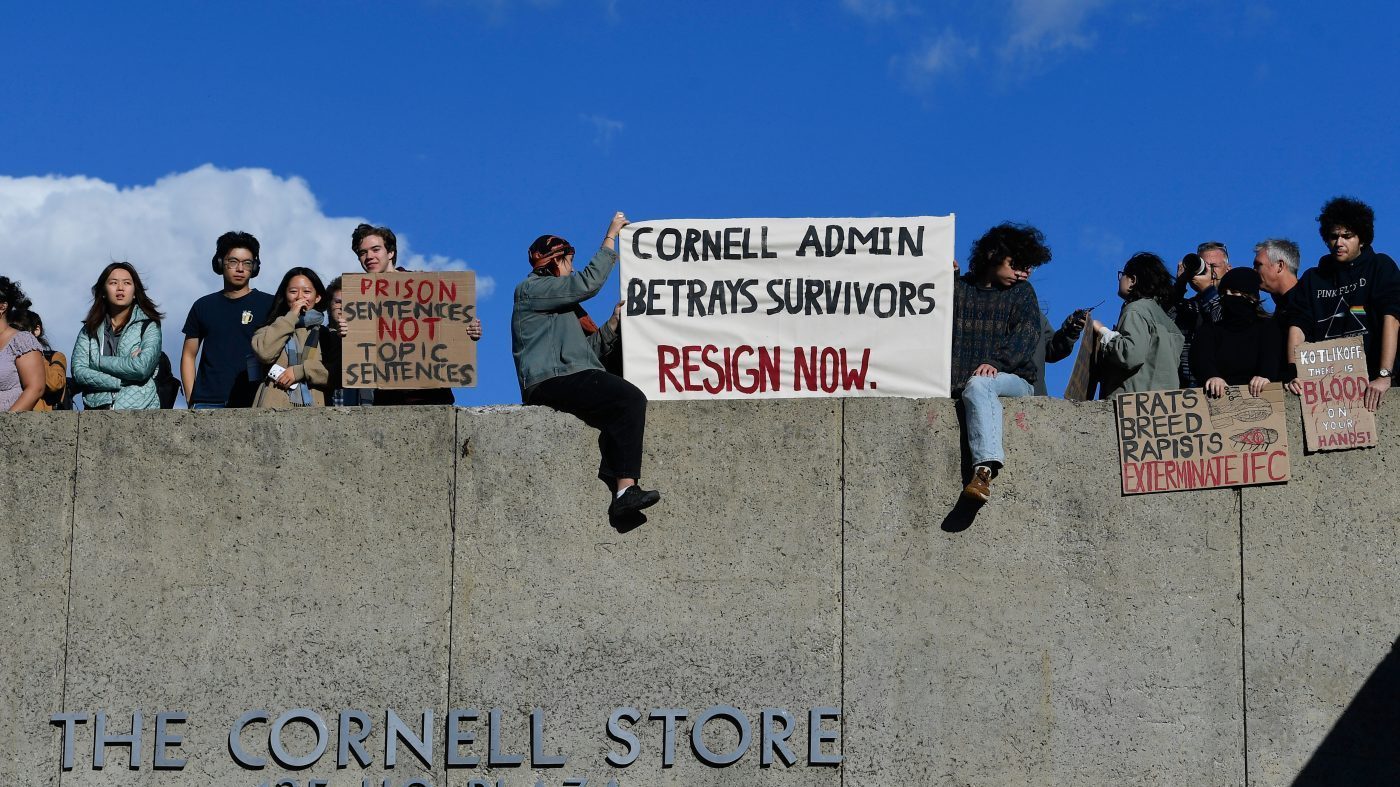
Zohran Mamdani's unexpected win in New York was more than a milestone for Muslim Americans—it signaled a political realignment where voters, disenchanted with the establishment, are turning to candidates who promise a break from the status quo.
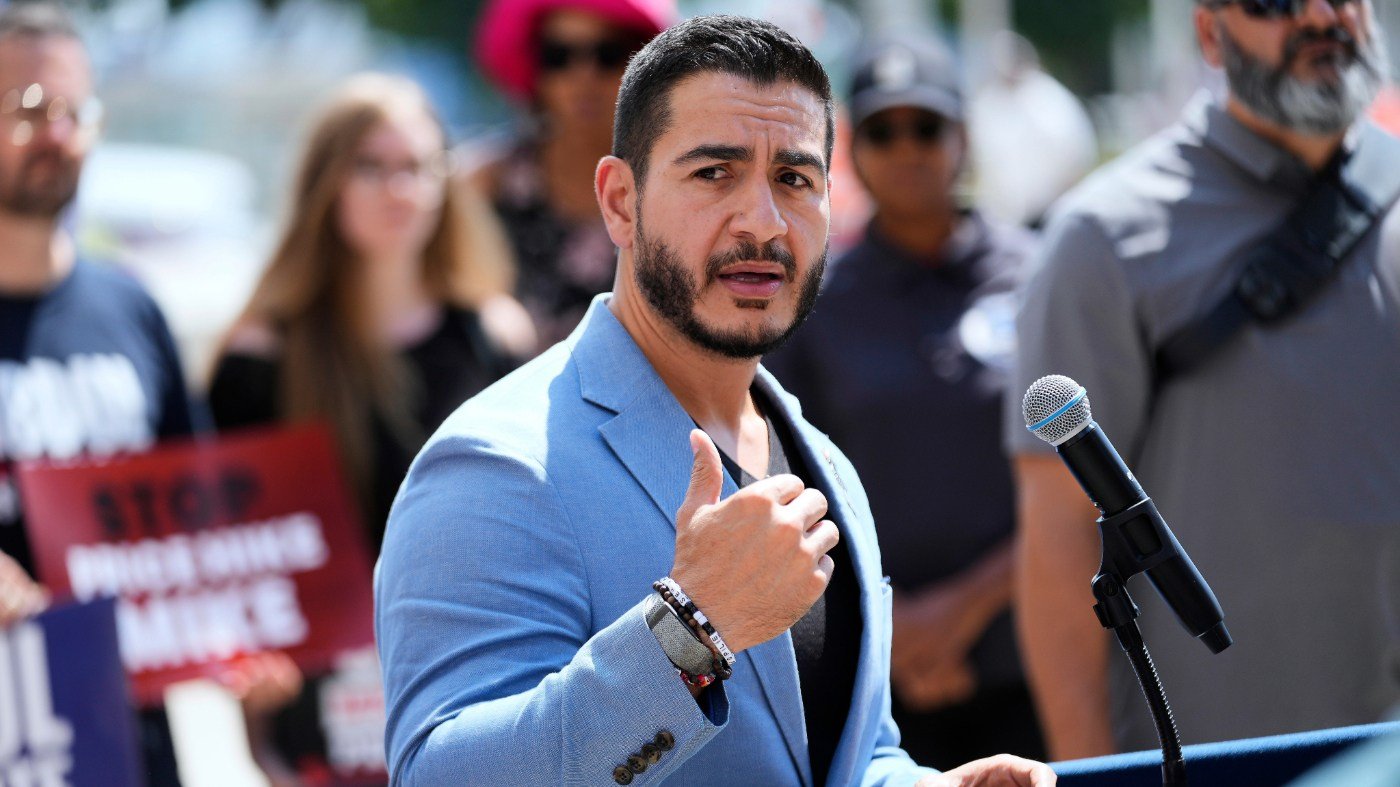
The common narrative that the country has simply become more accepting only tells part of the story. While tolerance has grown, it doesn't explain why candidates like Reps. Ilhan Omar and Rashida Tlaib, or Abdul El-Sayed's Senate bid in Michigan, are succeeding now, at a time when Americans across the political spectrum are deeply skeptical of their representatives.
The key is trust. In 1958, 73% of Americans trusted the federal government to do the right thing most of the time, according to Pew Research Center. That number has plummeted to just 17% today, near an all-time low. Add to that a record 55% of Americans saying their personal finances are worsening—the fifth straight year of that trend, per Gallup—and you have a electorate primed for change.
Political scientists call this the representation gap: the growing disconnect between officials and the people they serve. That gap makes voters more receptive to candidates who can credibly claim to be outsiders, whether they are Muslim, immigrants, or simply not part of the political class. Bernie Sanders and Alexandria Ocasio-Cortez rode the same wave, and neither fits the profile of a beneficiary of rising tolerance. What connects them to Mamdani is not identity but position—all three ran as alternatives to a system voters had already stopped believing in.
Distrust, however, is a double-edged sword. It can empower demagogues as easily as it can elevate reformers. Outsider status is an opportunity, not a guarantee of democratic renewal. The difference lies in what candidates and communities do with that opening.
For Muslim Americans, the answer has been two decades of painstaking organizing. Groups like the Council on American-Islamic Relations and Engage Action have built the infrastructure of political power: voter registration drives, candidate training, donor networks, and relationships with local party officials. The results are tangible. Voter registration among eligible Muslim Americans jumped from 60% in 2016 to 85% in 2025, according to the Institute for Social Policy and Understanding. This didn't happen by accident, and it's particularly notable in a community that is now the youngest religious group in the country.
Muslim Americans didn't just benefit when the political door swung open—they spent years building the institutions capable of walking through it. That combination of a receptive political climate and grassroots capacity is the real explanation for this moment. Distrust without organization produces protest votes and one-off campaigns that fizzle. Organization without a favorable climate produces well-run campaigns that lose. The current success sits at the intersection of both.
But winning office is not the same as achieving full social acceptance. While institutional belonging is measurable in election results, social belonging—being seen as an unremarkable, fully legitimate part of the national fabric—moves at a different pace. The same year Muslim American voter registration hit a record high, 63% of American Muslims reported experiencing religious discrimination in the past year, the highest rate of any faith group surveyed by the Institute for Social Policy and Understanding. A historic election is real evidence of institutional change, but it is not proof that the underlying social climate has shifted to match.
This moment raises a larger question about American democracy: can institutions rebuild a working relationship with citizens who, in remarkably consistent numbers, feel unheard? Electing outsiders is not a substitute for that repair. At best, it is evidence that voters are still willing to take a chance on someone who might listen.