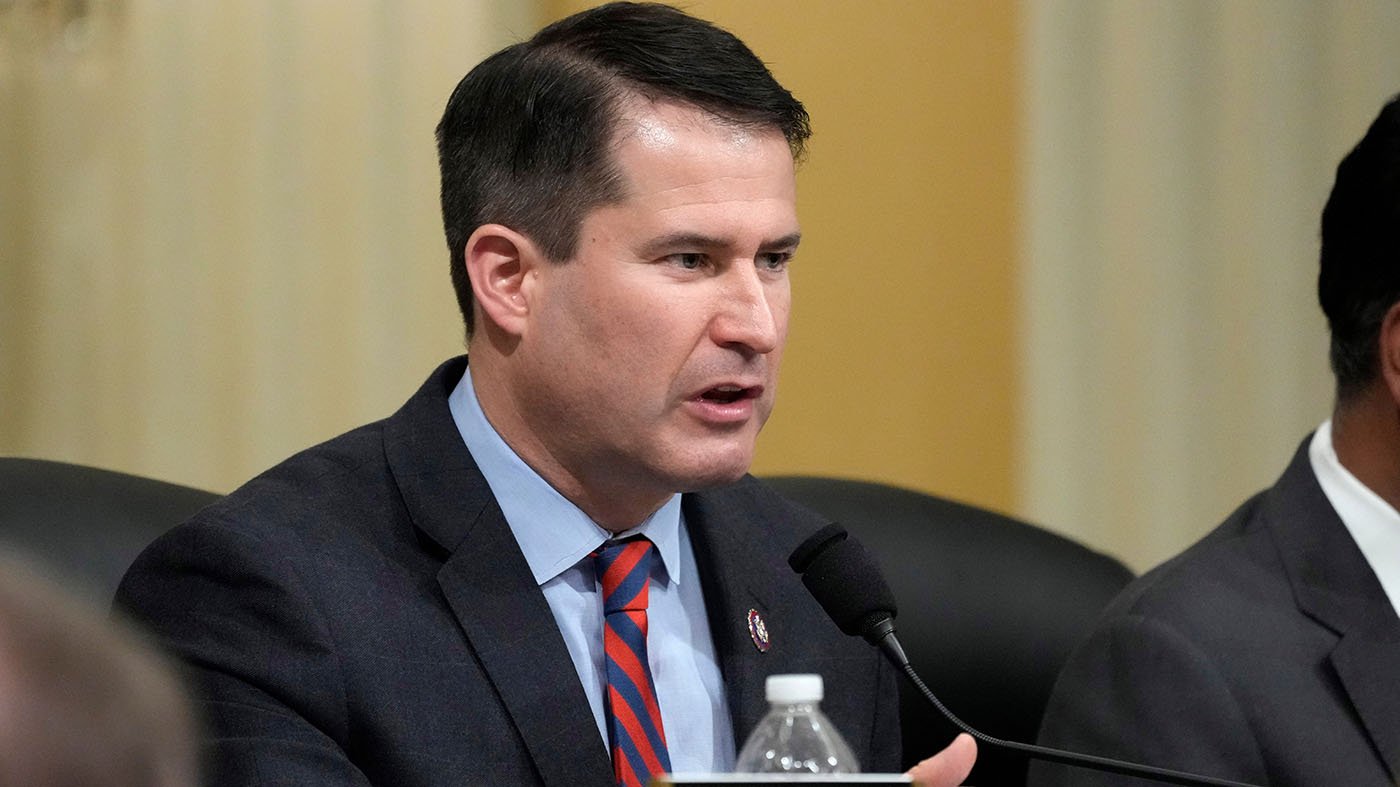
Massachusetts Democratic Representative Seth Moulton has instituted a formal prohibition against his congressional staff engaging with prediction market platforms. The office-wide policy, announced Wednesday, specifically bars participation on sites like Polymarket and Kalshi, where users can wager on political and event outcomes.
The move comes as these markets face mounting scrutiny on Capitol Hill. Moulton's directive follows the introduction of a bipartisan Senate bill, the Prediction Markets Are Gambling Act, spearheaded by Democratic Senator Adam Schiff of California and Republican Senator John Curtis of Utah. That legislation seeks to prevent Commodity Futures Trading Commission-regulated entities from offering bets on sports or casino-style games.
Ethical Perils and 'Perverse Incentives'
In a statement released on social media, Moulton framed the decision as a necessary ethical guardrail. "Prediction markets have become a playground for corrupt insiders who are able to place bets on things like election outcomes, wars, and even the deaths of public figures," the congressman asserted.
He warned that this activity creates "a perverse incentive structure that poses a genuine threat to American society today." His comments reflect deepening apprehension among lawmakers that individuals with non-public knowledge could profit from geopolitical or electoral events, undermining public trust.
Industry Response and Legislative Context
Just days before Moulton's announcement, the prediction market platforms themselves signaled a shift. Both Kalshi and Polymarket stated they were implementing new restrictions designed to curb potential insider trading. Kalshi detailed it was deploying technological measures to "preemptively block politicians, athletes, and other relevant people" from trading in specific politics and sports markets.
This industry-led action appears reactive to the growing political and regulatory pressure. The legislative effort to curb these markets, led by the bipartisan coalition in the Senate, targets a specific segment of their offerings but signals broader skepticism about their operation within the political sphere.
Moulton's internal ban is a more immediate and sweeping measure for his own office, effectively treating staff participation as a conflict-of-interest issue regardless of the subject being traded. It establishes a clear bright-line rule for his team amid an ambiguous regulatory landscape.
The controversy over prediction markets intersects with wider debates about government ethics and the influence of financial speculation on public service. It echoes concerns raised in other domains where staffing and policy intersect, such as the ongoing TSA staffing crisis worsening travel delays due to funding impasses, which highlights how personnel policies directly affect government function and public confidence.
As legislative efforts proceed, Moulton's unilateral action may prompt other congressional offices to enact similar prohibitions. The episode underscores the persistent challenge of adapting ethics rules to novel financial technologies that blur the lines between speculation, gambling, and potential insider knowledge in the political arena.