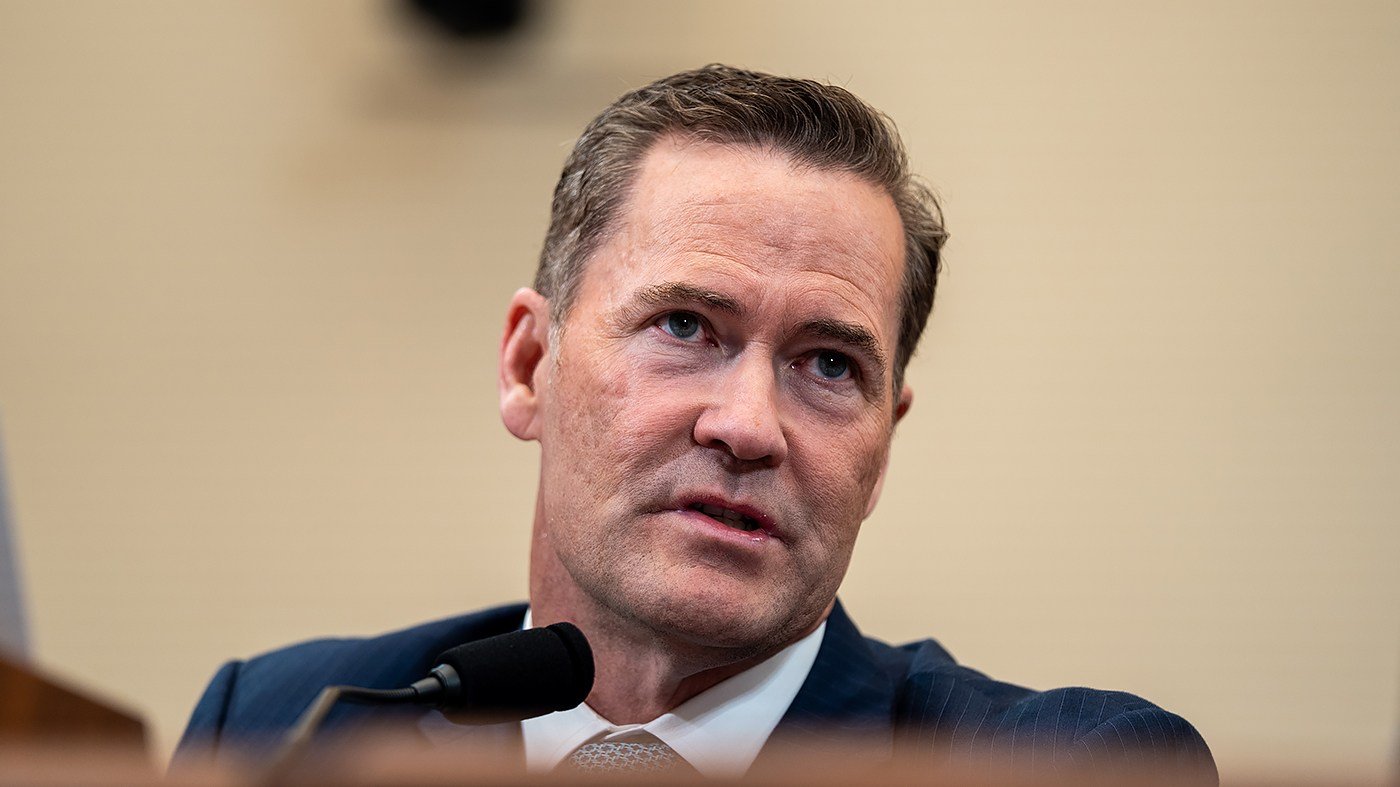
Sen. Bernie Moreno (R-Ohio) has joined forces with Sen. Elizabeth Warren (D-Mass.) on a proposal that would scrap the Social Security payroll tax cap, applying the 12.4 percent levy to all wages and self-employment income. Currently, the tax only applies to the first $185,000 or so of earned income, meaning the change would represent a significant marginal tax rate increase for millions of households and incorporated businesses.
Moreno's plan marks one of the largest tax hikes on work ever embraced by a Republican, and it goes further than similar proposals from President Biden, Vice President Kamala Harris, or even Sen. Bernie Sanders (I-Vt.). Moreno argues that his approach treats all workers equally, applying the same rate to every dollar earned. But critics point out that the U.S. already has the most progressive income tax system in the developed world, with rates from 10 to 37 percent, and roughly half of households at the bottom pay no income tax at all. Calling the payroll tax the whole story, they say, is flawed analysis.
According to the Tax Foundation, eliminating the cap would raise about $3.2 trillion over the next decade under conventional scoring. However, after accounting for reduced economic growth and changes in taxpayer behavior, the projected revenue drops to roughly $1.5 trillion. More than half of the expected revenue disappears because the tax increase itself discourages work, investment, entrepreneurship, and growth.
The proposal does not address the real issue facing Social Security, which is a spending problem, not a revenue problem. The Social Security Trustees measure the program's finances as a percentage of taxable payroll. Dedicated income has remained relatively stable, but scheduled benefit costs continue to rise, creating a financing gap because benefits have grown faster than the taxes dedicated to paying them.
Moreno's home state of Ohio has spent years cutting taxes to reward work, encourage entrepreneurship, and attract investment. Starting this year, Ohio has a flat individual income tax rate of 2.75 percent. But under the Moreno-Warren plan, an Ohio entrepreneur with a pass-through business could face a combined marginal tax rate approaching 56 percent—meaning more than half of the next dollar earned would go to the government.
That may explain why Sen. John Husted (R-Ohio), who is up for election this year, opposes the tax hike. He is not alone. Americans for Tax Reform has compiled a long list of prominent Republicans and conservatives who have come out against the proposal.
The Social Security payroll tax is among the most economically damaging taxes because it falls directly on work—something we should be encouraging, not discouraging. Many small-business owners effectively pay both the employer and employee shares through their businesses. Eliminating the wage cap would substantially increase the tax burden on the entrepreneurs who hire workers, expand businesses, and create jobs. That principle should not disappear simply because the tax increase is labeled a populist Social Security reform.
Conservatives do not have to choose between tax increases and insolvency. Social Security can be strengthened through gradual benefit reforms that leave the overwhelming majority of retirees unaffected. The not-at-all conservative Committee for a Responsible Federal Budget has proposed a more sensible alternative: its Six Figure Limit plan would cap annual Social Security retirement benefits at $100,000 for couples filing at full retirement age, with adjustments for marital status and retirement year. According to the committee, that plan would strengthen Social Security's finances while leaving the overwhelming majority of beneficiaries unaffected. Social Security was created to prevent poverty in old age, not to provide six-figure annual government benefits.
The contrast between the two approaches could not be clearer. Moreno would ask workers, entrepreneurs, and small businesses to finance larger government promises through higher taxes. The Six Figure Limit would first limit the largest benefits for seniors who have earned high incomes all their lives and likely have substantial retirement savings. Conservatives should begin with common-sense spending restraint before asking taxpayers for another dollar.
The question is especially important for younger Americans. A young family raising children already faces rising housing costs, child-care expenses, and the burden of financing a rapidly growing national debt. That family should not pay higher payroll taxes so the federal government can continue sending six-figure annual Social Security checks to the most affluent retirees. Conservative populism should defend working families against higher taxes. It should reward work, encourage entrepreneurship, and protect the next generation instead of preserving unlimited benefits for the wealthiest retirees.
Republicans can strengthen Social Security without abandoning conservative tax principles. Reform the spending that created the financing gap. Protect the workers who finance the program. Limit six-figure Social Security benefits before raising taxes on a single American.