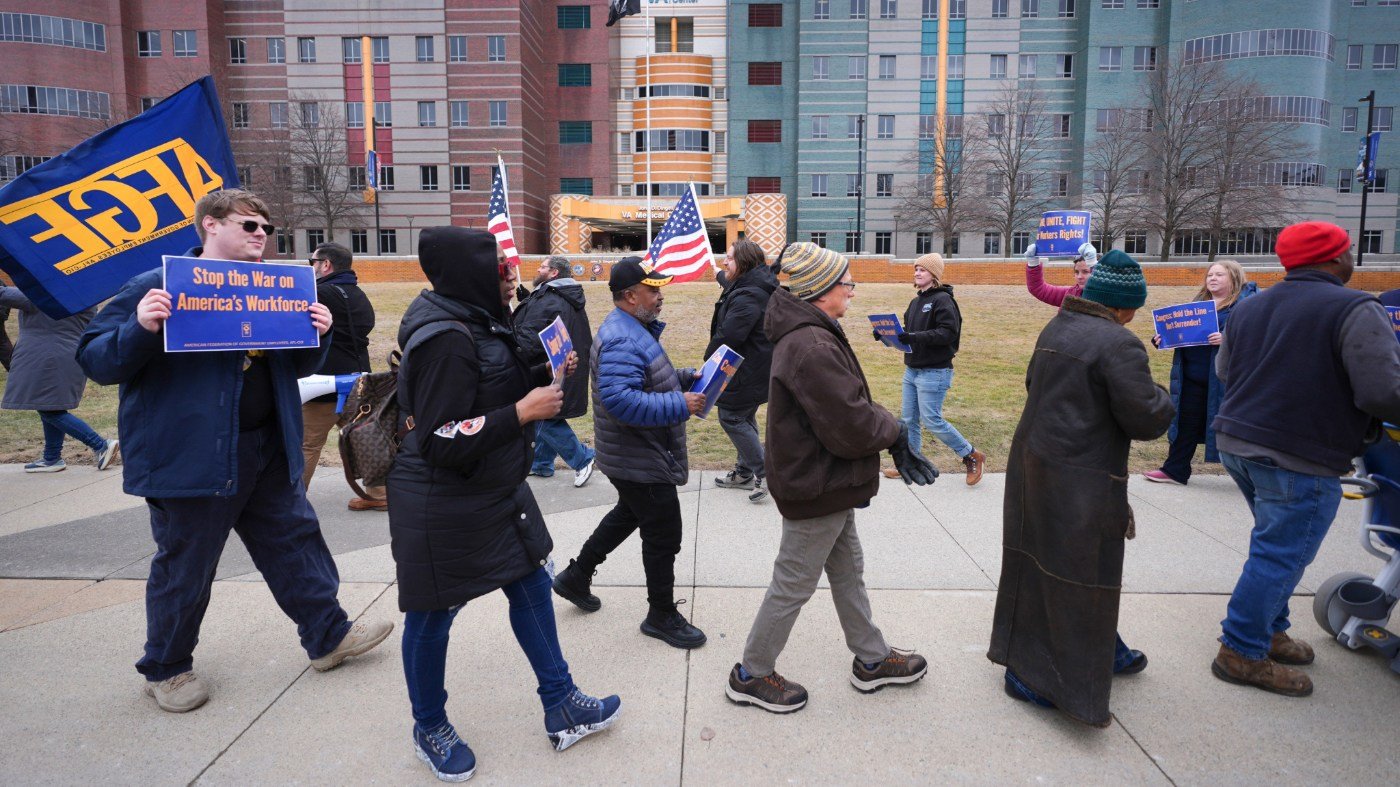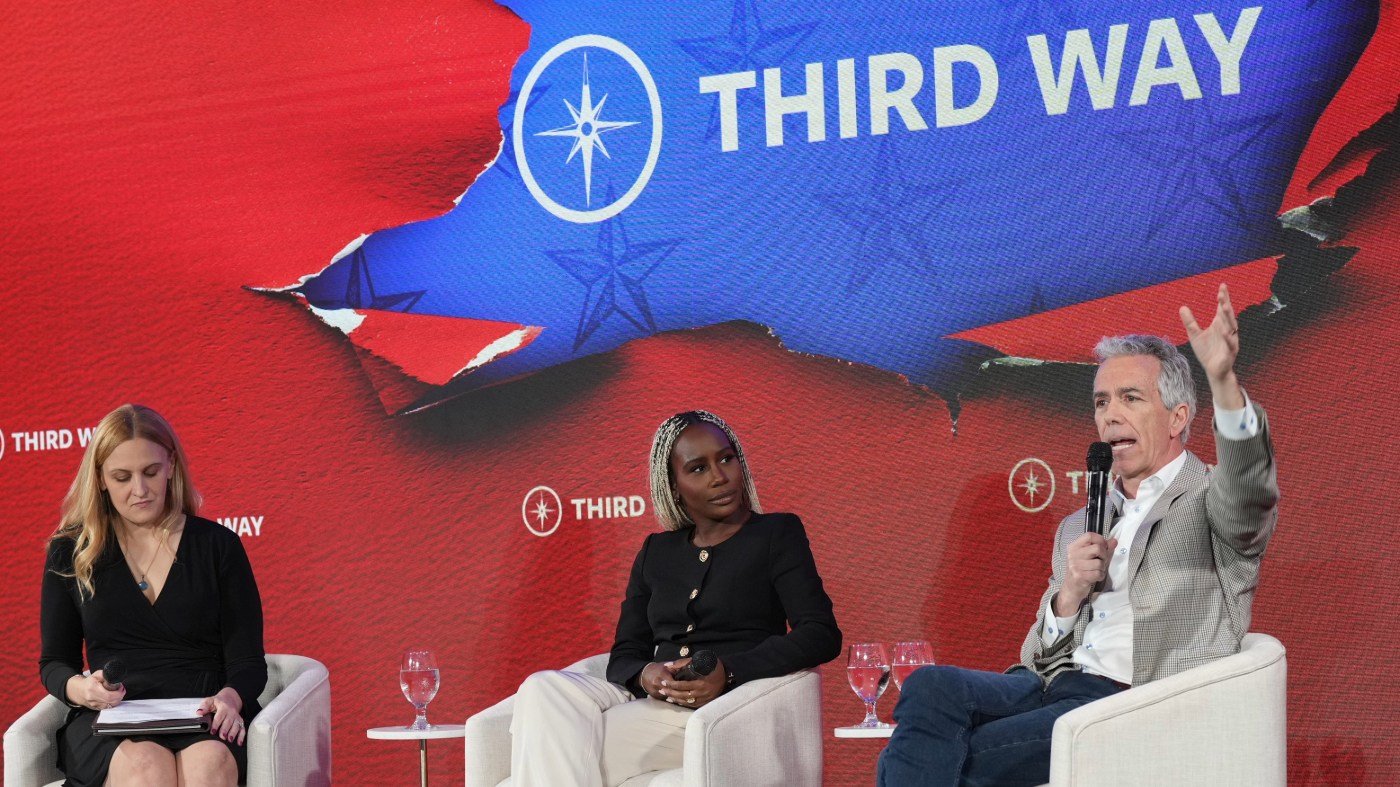
For years, well-funded centrist groups have recycled the same electoral strategy: nominate moderate Democrats who pick fights with Trump but avoid bold promises and keep corporate donors happy. But this playbook, which feels like a relic from the 1990s, is based on a fundamental misunderstanding of what voters mean by "moderate."
Recent data suggests that while many voters label themselves moderate, they are not asking for a watered-down agenda. Instead, they are hungry for economic populism and a willingness to challenge entrenched interests. This is not just a fringe view; it's a majority position among the very voters Democrats need to win.

The Myth of Centrist Advantage
The electoral benefits of centrism are often overstated. As data journalist G. Elliott Morris has documented, moderate Democrats may do slightly better than the average Democrat, but the advantage is small and uncertain. More importantly, "moderate" is a self-identification, not a policy platform. Voters who call themselves moderate may still support candidates who take on billionaires and corporations.
A recent Data for Progress poll found that a majority of moderates believe billionaires are a sign of a dysfunctional economy and that their wealth comes from exploitation or inheritance, not hard work. This sentiment is echoed in competitive districts, where 80% of voters say elected officials care more about wealthy donors than regular people.
What Swing Voters Actually Want
Our polling of 2026 swing voters reveals that while 56% call themselves moderate, they are more persuaded by progressive economic policies than conservative cultural stances. The top policies that would make them vote Democratic include raising taxes on the wealthy (28%), creating a Medicare for All system (24%), banning AI from setting prices or wages based on personal data (21%), and restricting private utility companies from passing unreasonable costs (20%).
These voters are not looking for Democrats to split the difference. They want tangible solutions to lower the cost of living and take on the powerful interests they blame for their struggles. Centrism, in fact, can backfire. In our polling, a Democrat running on a populist economic message beats a Republican by 15 points, while a conventional Democrat wins by only 6 points.
Combativeness Must Be Credible
The phrase "combative centrism" is revealing. Combativeness has to be aimed at something. You cannot promise to fight the status quo while defending incrementalism. And you cannot run as a populist champion while accepting money from the very interests you claim to fight. Voters are not fooled.
As voter anger grows and the country heads into the midterms, Democrats should note that moving right for the sake of moving right will not bring moderates into the fold. The voters they need are asking for a bold economic agenda that puts workers first and challenges concentrated wealth.
Moderate voters are not asking Democrats to do less. They are asking them to make their lives better and take on the powerful interests standing in their way. That is the path to victory.