As 2026 draws to a close and a new Congress prepares to convene, the U.S. economy presents a picture of resilience shadowed by persistent strains. Barring unforeseen shocks—an AI or cryptocurrency collapse, a major terror incident, or escalating conflicts—the overall outlook appears solid. Small businesses, which employ half of the private workforce and generate nearly half of GDP, are showing surprising durability.
Yet the aggregate numbers mask deep disparities. Producer prices have climbed more than 6% over the past year, signaling that inflation could remain elevated. That trend threatens not only consumer costs but also Treasury yields and mortgage rates, which have already depressed existing home sales. The real estate sector continues to feel the pinch.
The Federal Reserve is widely expected to raise interest rates again before year-end, pushing the prime rate for business loans to 7%. According to the New York Fed, household debt is at record levels, with about 5% of outstanding debt delinquent—up from 4.7% the prior quarter. Roughly 135,000 consumers had new bankruptcy notations added to their credit reports.
On a more positive note, core inflation (excluding gasoline) has cooled, oil shipments through the Strait of Hormuz remain steady, and average gas prices have dipped below $4 for the first time since July. While credit card debt has hit new highs, the rate of balances moving into serious delinquency has slightly improved, giving consumers more spending power.
Consumers, the engine of the economy, are not pulling back. Retail sales are rising, with Target reporting increased store traffic ahead of the holidays. The National Retail Federation projects a 4.2% jump in holiday sales over last year, and Visa anticipates record spending. Adobe forecasts online sales will grow 6.7% year-over-year.
Small businesses are also finding reasons for optimism. American Express, which sponsors Small Business Saturday, says 88% of surveyed consumers plan to shop at small businesses this holiday season—the highest level since 2012. A Gusto survey found 86% of small-business owners say their companies are meeting or exceeding expectations, and the National Federation of Independent Business's Uncertainty Index fell sharply even as its Optimism Index dipped slightly below its historical average.
Manufacturing expanded for the tenth straight month in October, according to the Institute for Supply Management, while the services sector marked its 28th consecutive month of growth. Durable goods orders also beat expectations.
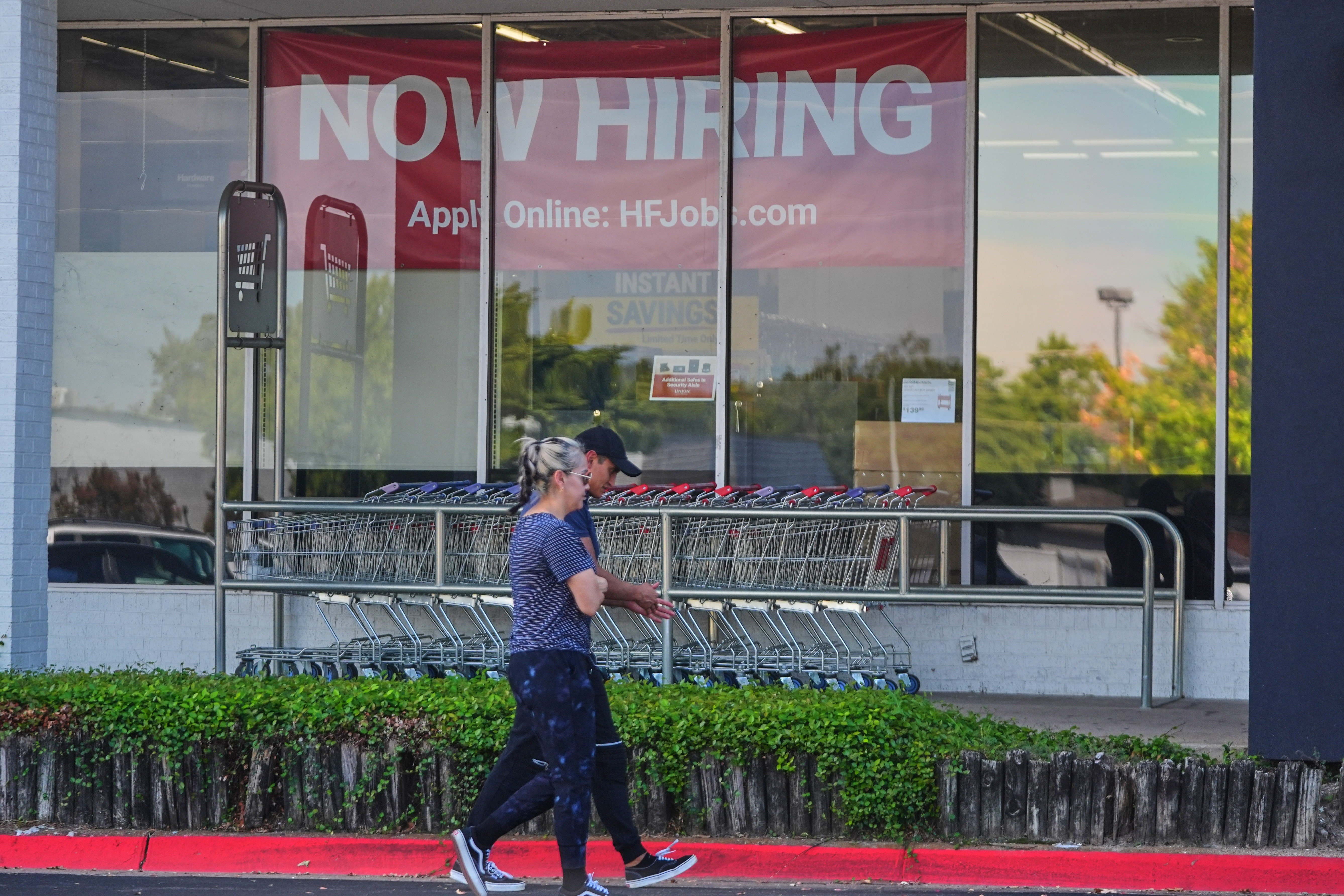
The labor market remains robust. Paychex reports small employers are adding jobs, though hourly wage growth still lags inflation. ADP data shows private-sector employment rose by 86,000 in October, with gross pay up 4.7% year-over-year. Unemployment claims are near historic lows.
So what does this all mean for the political landscape? The economy is a central issue in the upcoming midterms, with candidates making final pushes as voters focus on economic concerns. Some Republicans blame uncontrollable factors for potential losses, urging the party to refocus on economic messaging. Meanwhile, critics argue that Democratic policies could undermine recent gains.
The bottom line: The U.S. economy is performing well overall, but not uniformly. The experience of any individual or business depends on location, industry, and exposure to global factors like tariffs and oil prices. As always, the data tells a story—but the full picture requires asking who is being counted.