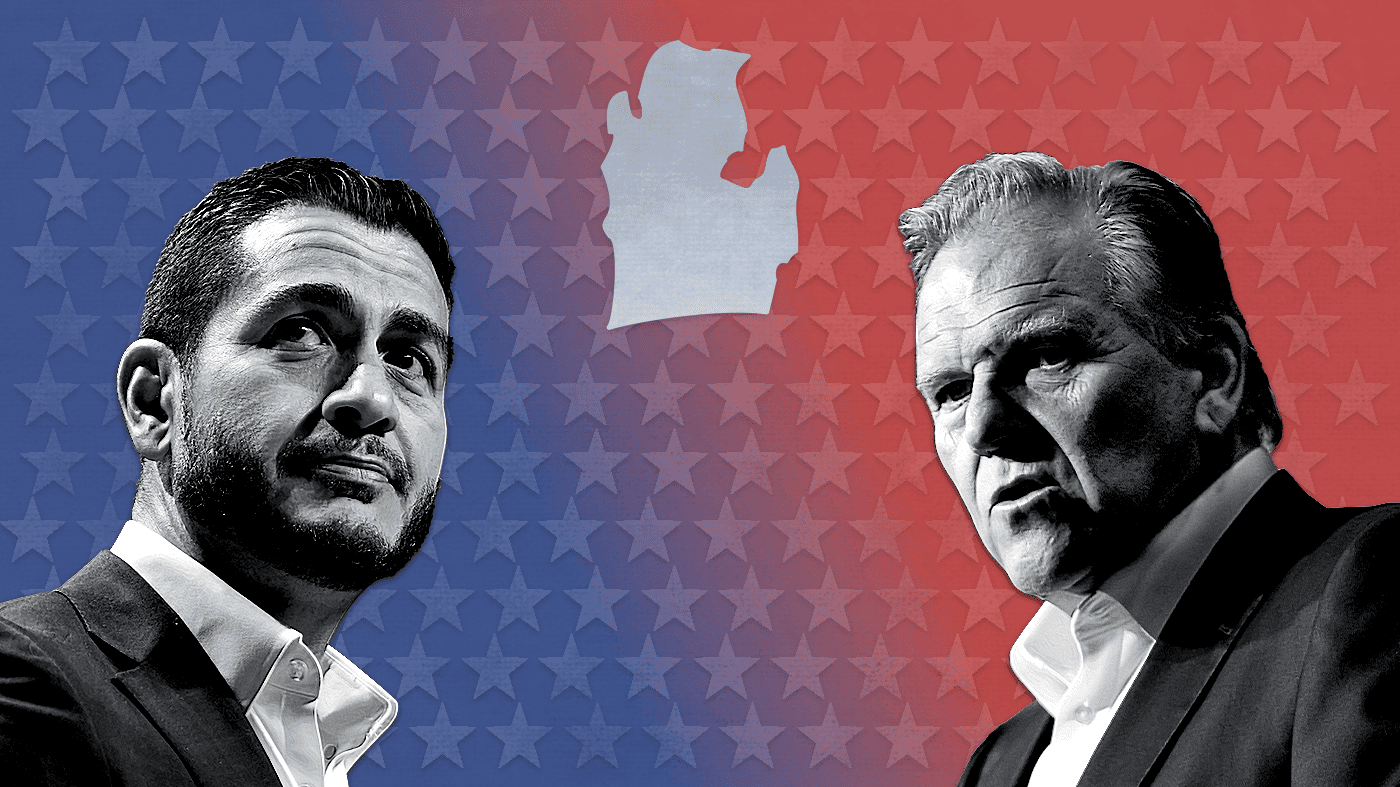
Michigan voters head to the polls Tuesday to select their next U.S. senator, a decision that carries national significance given the state's swing-state status and the open nature of the seat. Two-term Democratic incumbent Gary Peters opted not to seek reelection, leaving the field clear for a competitive battle between a progressive public health official and a former Republican congressman.
The Democratic primary: A narrow victory
Abdul El-Sayed, who previously served as the top health official for Detroit and Wayne County, emerged from a contentious Democratic primary earlier this year. He narrowly defeated U.S. Rep. Haley Stevens, who represented a more moderate wing of the party, in a race that drew intense national attention. State Sen. Mallory McMorrow also entered the contest and at one point led in some polls, but she withdrew before the primary vote.
El-Sayed's victory signaled a leftward shift in the Michigan Democratic base, but his general-election campaign has sought to broaden his appeal by focusing on economic issues and healthcare access.
The Republican challenger: A familiar face
On the Republican side, former Rep. Mike Rogers is making his second consecutive bid for the Senate. In 2024, Rogers lost to Democrat Elissa Slotkin, who was then a House member. This time, Rogers is hoping that the political environment—and the absence of an incumbent—will work in his favor. He has emphasized border security, inflation, and Michigan's manufacturing economy as key themes.
A state Trump has won
Michigan has been a perennial battleground, with President Trump carrying the state in two of his three presidential campaigns, including in 2024. That history has fueled Republican optimism about flipping the seat, though Democrats have countered that El-Sayed's grassroots organization and suburban appeal could offset Trump's strength in rural areas.
National implications
The outcome of this race could help determine which party controls the Senate. With other competitive contests underway—such as Sherrod Brown's comeback win in Ohio and John Hickenlooper's reelection in Colorado—every seat matters. Michigan's result will be closely watched by both parties as they assess their paths to a majority.
Key issues and turnout
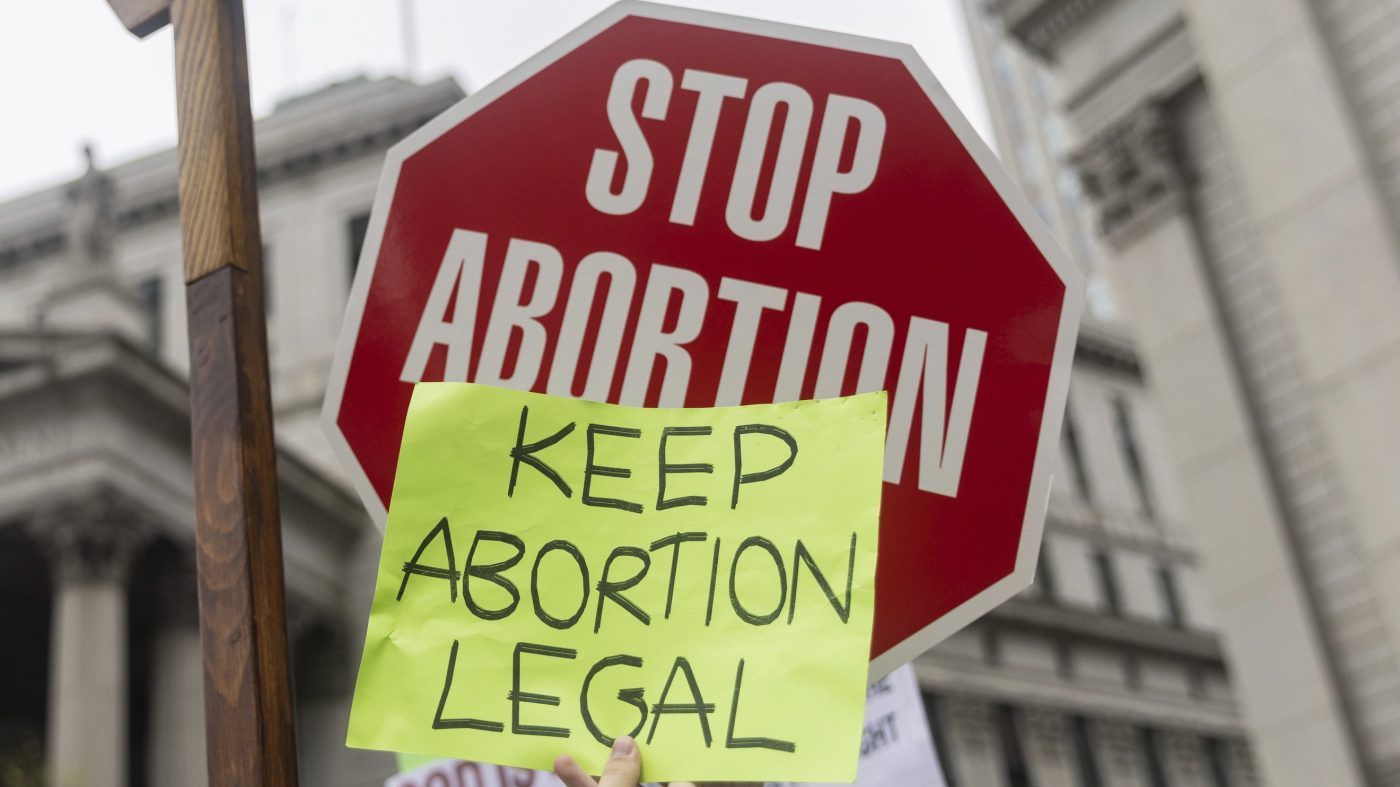
Voters are weighing a range of issues, from the economy and healthcare to abortion rights and democracy. El-Sayed has made protecting reproductive rights a centerpiece of his campaign, while Rogers has focused on energy independence and public safety. Turnout is expected to be high, with competitive races down the ballot, including the governor's race, where Democrat Jocelyn Benson won, breaking a streak of party alternation.
Also on the ballot is a notable congressional race: Moss won Michigan's 11th, making history as the state's first openly gay congressman. Such down-ballot results could influence turnout dynamics in the Senate contest.
What to watch
Polls close at 8 p.m. or 9 p.m. EST, depending on the county. Early returns may come in quickly, but a close race could take hours or days to call. Both campaigns have signaled they are prepared for a tight finish, with legal teams on standby for potential recounts.
As the night unfolds, the focus will be on whether El-Sayed can replicate the coalition that carried Democrats to victory in recent cycles, or whether Rogers can tap into the same energy that boosted Trump in the state. The result will shape Michigan's representation in Washington for the next six years.