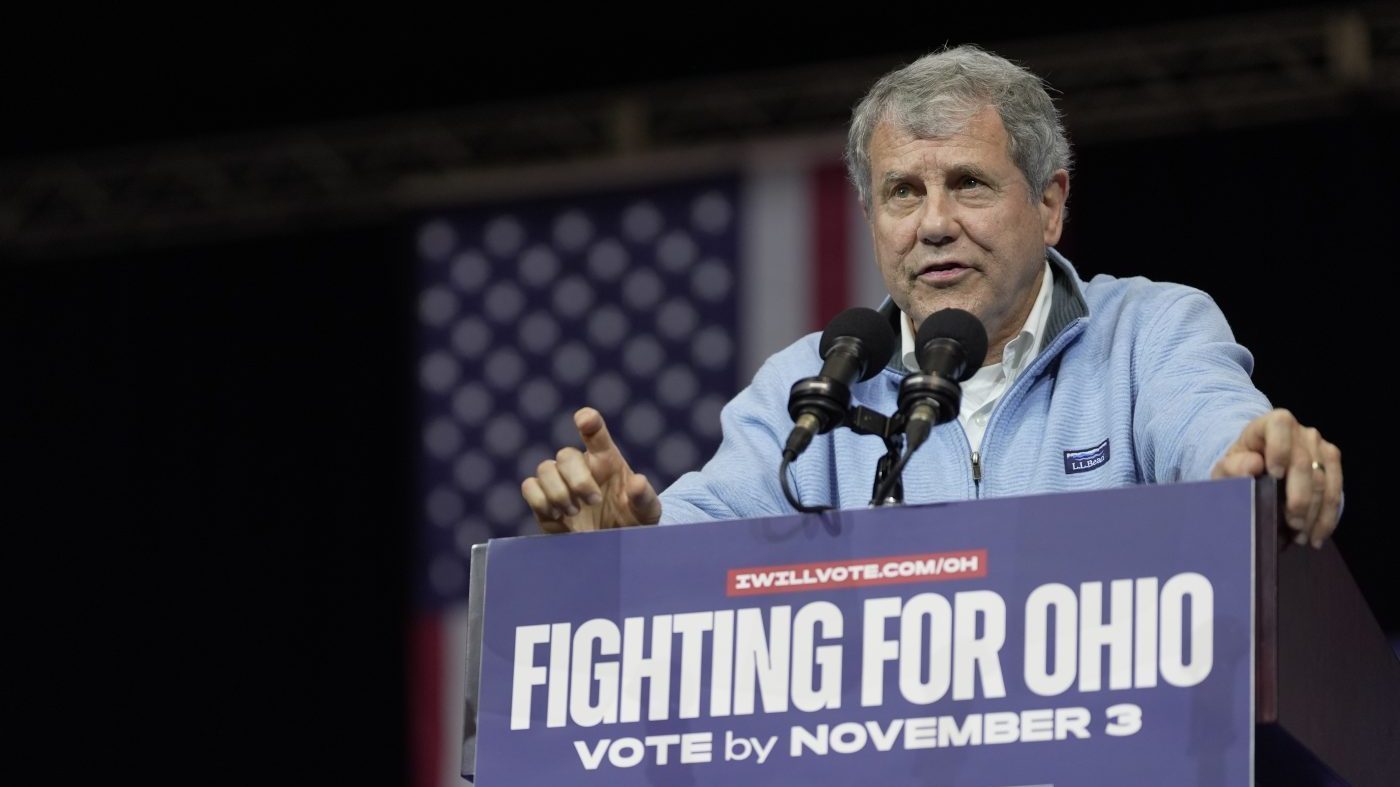
In a dramatic reversal of fortune, former Senator Sherrod Brown (D) has been projected to win Ohio's Senate special election, defeating incumbent Senator Jon Husted (R), according to Decision Desk HQ (DDHQ). The race, which was one of the closest of the night, saw Brown edge out Husted by just over two percentage points with 83% of the vote counted.
Brown's victory is a significant upset in a state that has shifted decidedly Republican in the Trump era. Just two years ago, Brown, a three-term senator, lost his seat to Republican Bernie Moreno in a tough 2024 race. His comeback bid faced steep odds, but he managed to capitalize on a favorable national environment for Democrats in the midterms.
The special election was held to fill the remainder of Vice President Vance's Senate term, which was cut short when he joined the White House. Last year, Ohio Governor Mike DeWine (R) appointed Husted, then lieutenant governor, to temporarily fill the seat. Brown's win means he will serve out the remainder of the term and will need to run again in 2028 to secure a full six-year term.
Brown, a rare Democrat to achieve statewide success in Ohio, was a key recruit for his party as it sought to harness voter dissatisfaction with President Trump. His campaign was bolstered by a significant fundraising advantage, bringing in $23.1 million in the third quarter alone compared to Husted's $5 million. Despite heavy spending by Republican-aligned groups, including the Senate Leadership Fund, MAGA Inc., and Elon Musk's America PAC, which collectively poured over $113 million into attacking Brown, he was able to overcome the onslaught.
The race shattered spending records, with over $500 million in ad spending this cycle, according to AdImpact data. Both President Trump and former President Obama made appearances in the state, underscoring the national significance of the contest, which also coincided with a highly competitive governor's race between Republican Vivek Ramaswamy and Democrat Amy Acton.
Brown's victory is a bright spot for Democrats in an otherwise challenging political landscape, and it could signal a shift in the party's fortunes as it looks ahead to future elections. The win also marks a personal vindication for Brown, who has long been a champion of labor and working-class issues in a state that has increasingly leaned conservative.
In other races across the country, Democrats saw several key wins in gubernatorial contests, and flipped a House seat in Utah, suggesting a broader trend of voter discontent with the current administration.
Brown's victory in Ohio, however, may be the most striking, given the state's recent rightward drift. His ability to win over moderate and working-class voters will be closely studied by both parties as they prepare for the next election cycle.