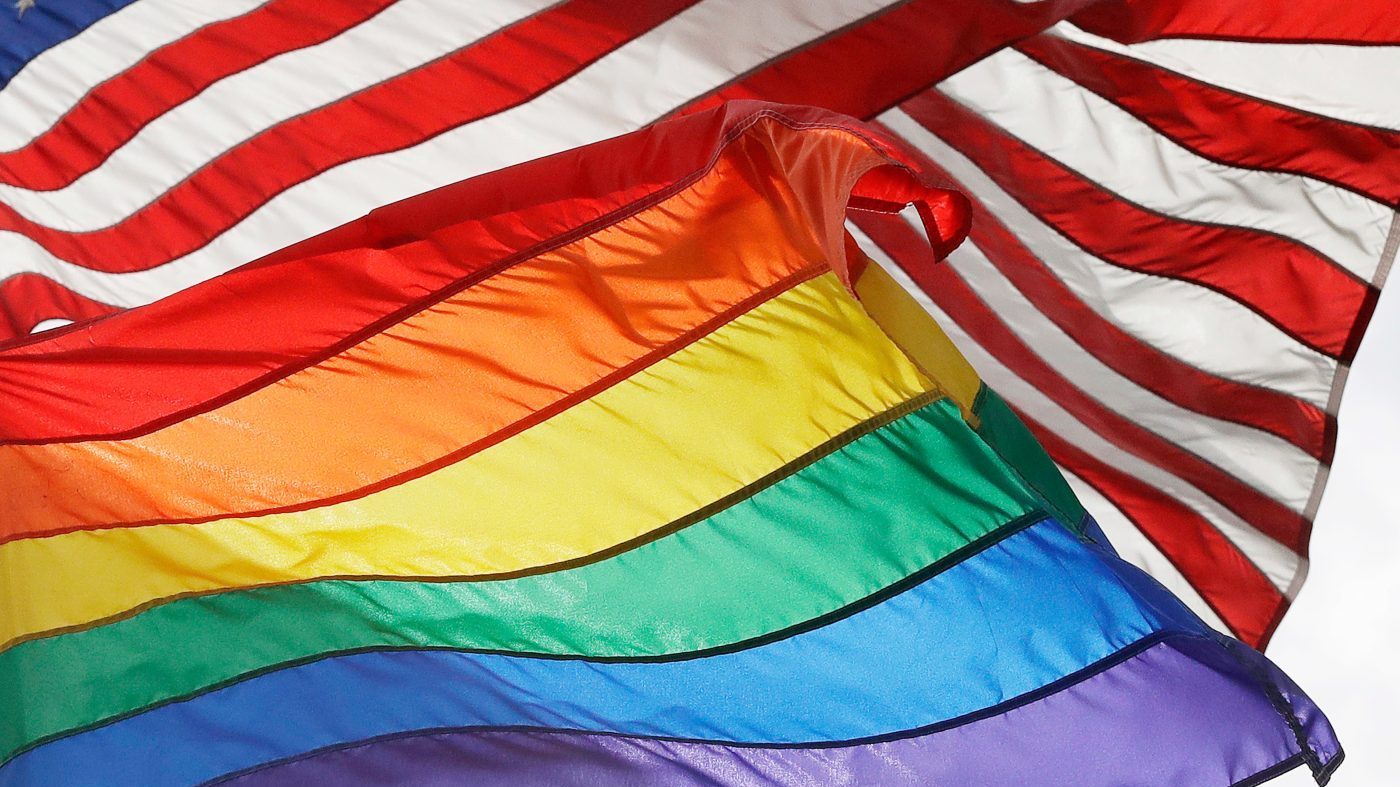
Virginia voters have approved a ballot measure that strips language from the state constitution restricting marriage to opposite-sex couples, according to Decision Desk HQ projections. The amendment, which passed in Tuesday's election, eliminates a provision that defined marriage as solely between a man and a woman and prohibits the state from denying a marriage license to two adults on the basis of sex, gender, or race.
The constitutional ban had been unenforceable since a federal judge ruled it unconstitutional in 2014, and same-sex marriage has been legal nationwide since the U.S. Supreme Court's 2015 decision in Obergefell v. Hodges. The high court also declined to revisit that ruling last year. But the successful measure formally removes the outdated language from Virginia's founding document, a move advocates say carries symbolic and practical weight.
The vote comes amid ongoing concerns among LGBTQ rights groups that the Supreme Court could overturn Obergefell, especially after the court's 2022 decision in Dobbs v. Jackson Women's Health Organization, which eliminated the federal right to abortion. In a concurring opinion in that case, Justice Clarence Thomas suggested the court should reconsider other rulings based on similar legal reasoning, including the 2015 marriage decision. However, no other justice joined that view at the time.
Virginia's action adds to a growing list of states that have taken steps to scrub same-sex marriage bans from their constitutions. Nevada became the first in 2020, and California, Colorado, and Hawaii followed in 2024. These moves are seen as a defensive measure to protect marriage equality at the state level should the federal protection be weakened.
The amendment's success in Virginia, a state that has trended Democratic in recent years, was not unexpected. It also came on a night when Democrats saw other victories, including the reelection of Senator Mark Warner to a fourth term and the flipping of a key House seat in the state's coastal region.
Advocates for the repeal argued that leaving the ban on the books, even if unenforceable, sent a harmful message about the state's commitment to equality. "Virginia should not have a constitution that tells same-sex couples they don't belong," said one campaign organizer. The measure's passage removes that stain and aligns the state's foundational document with its actual legal reality.
The repeal also reflects a broader national trend. While Obergefell remains the law of the land, several states have moved to codify or constitutionalize marriage equality, and some have gone further by protecting other rights, such as abortion access. In Virginia, voters also approved a separate measure to enshrine abortion rights in the state constitution, a sign of the state's progressive shift.
With the amendment now approved, Virginia joins a handful of states that have proactively removed same-sex marriage bans from their constitutions, providing a layer of state-level protection that could prove crucial if the Supreme Court ever reverses course. For now, the commonwealth's constitution no longer discriminates, and the state's marriage laws are fully inclusive.