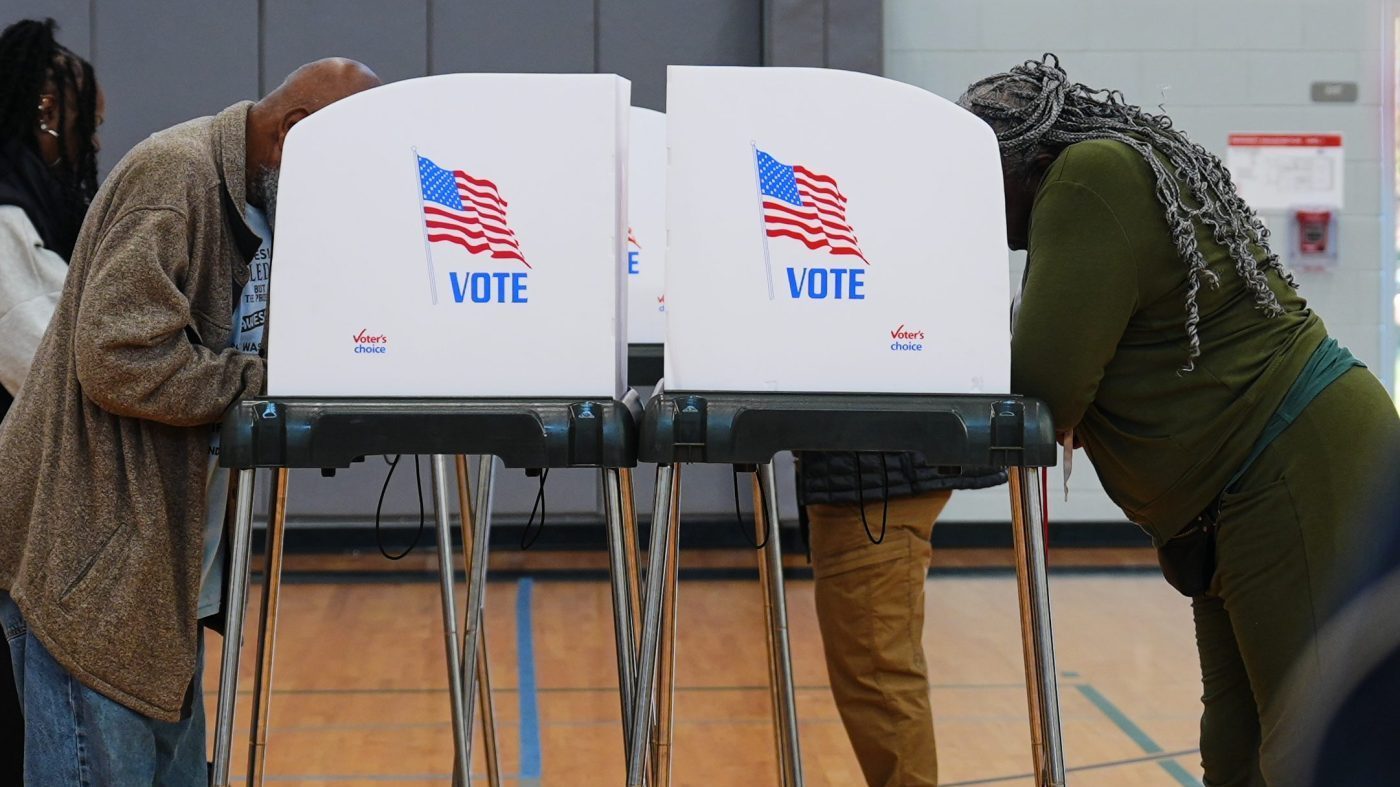
Maryland voters have approved a ballot measure that could give Democrats a freer hand in redrawing the state's congressional districts, a move that may bolster their chances of flipping a Republican-held seat in the 2026 midterms. Decision Desk HQ projects that Question 3 passed with roughly 59.65% support, with 94% of votes counted.
The constitutional amendment alters the rules for drawing both state legislative and congressional districts. While state legislative districts must remain compact and contiguous, the measure removes any explicit criteria for how congressional lines are drawn. It also grants the Maryland General Assembly authority to give the state Supreme Court original jurisdiction over challenges to congressional maps, potentially speeding up legal reviews.
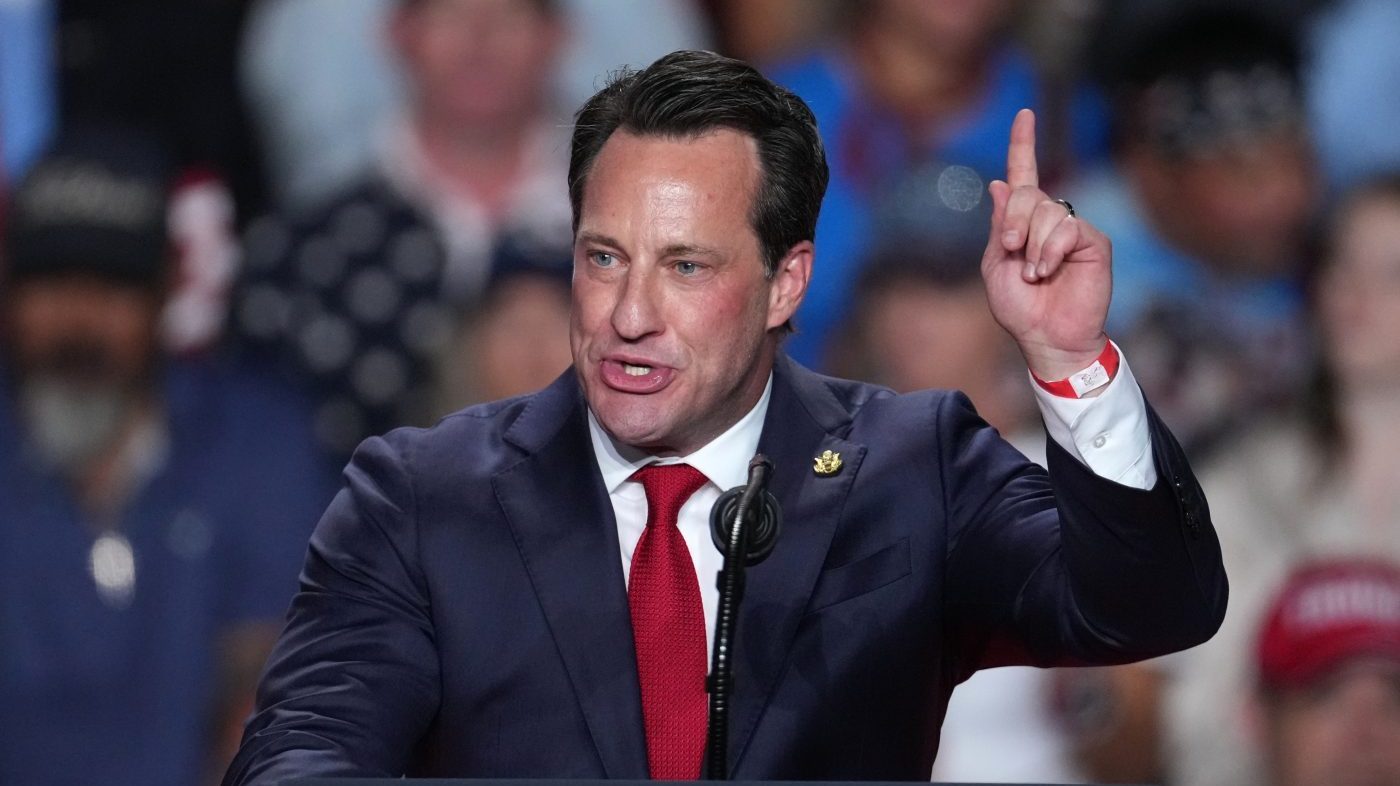
Currently, Maryland's congressional delegation is 7-1 in favor of Democrats, with Republican Rep. Andy Harris as the lone GOP voice. Democrats had attempted to redraw the map earlier this year in response to Republican-led redistricting efforts in other states, such as Texas and Missouri, which they argued were designed to give the GOP an edge in the U.S. House. A new map, they believed, could yield at least one additional Democratic pickup opportunity.
However, Maryland Senate President Bill Ferguson (D) initially blocked the party's push to redraw the map ahead of the 2026 elections. Ferguson was wary of a repeat of 2022, when Democrats aggressively pursued an 8-0 gerrymander that was later struck down by the courts. That experience made him cautious about overreaching.
But Ferguson's stance shifted in May, when he signaled openness to advancing a constitutional amendment to put before voters. This change came as he faced a competitive primary that he ultimately won in June. The amendment's passage now paves the way for Democrats to consider a new map that could target Harris's district, though any plan would still be subject to legal scrutiny.
Political analysts note that the change could have significant implications for the 2026 midterms, where control of the House is expected to be tightly contested. A more favorable map in Maryland could offset Republican gains elsewhere. Similar redistricting battles have played out in other states, including Kansas, where voters rejected GOP redistricting efforts, and North Carolina, where a Democrat held a seat despite GOP-drawn lines.
The amendment's passage also comes as Maryland's gubernatorial race heats up, with Gov. Wes Moore facing Dan Cox in a 2026 rematch. The state's political landscape could shift further depending on the outcome of that race.
Opponents of the measure argued that it would enable partisan gerrymandering without adequate safeguards, potentially disenfranchising voters. Supporters countered that it would allow the state to correct imbalances caused by GOP-led redistricting elsewhere.
With the amendment now approved, Maryland Democrats are expected to begin drafting a new congressional map in the coming months. Any plan will likely be challenged in court, but the new legal framework could make it easier for the state to defend its lines.